One Extra Omamori at Ise Jingu
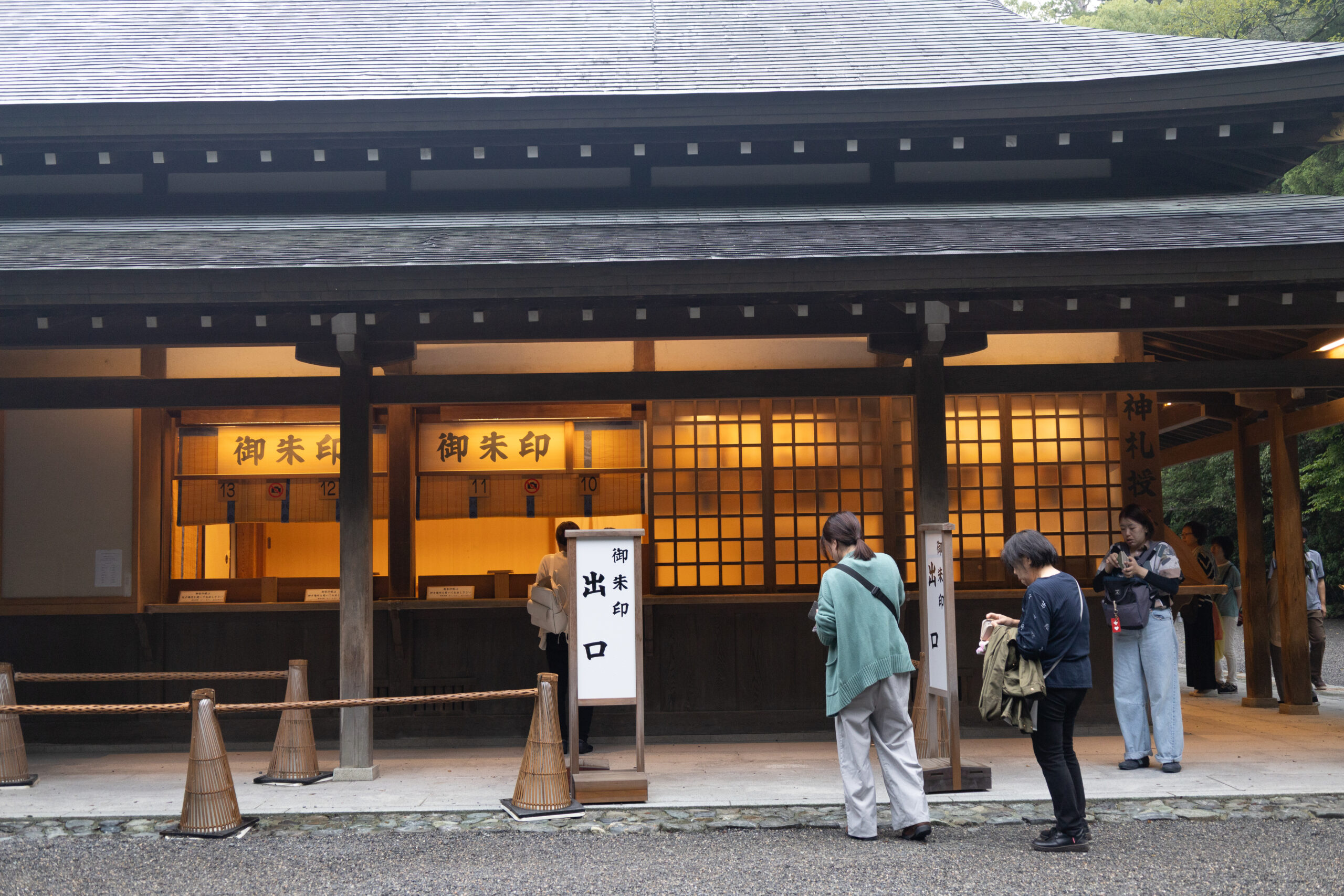
At the counter of Ise Jingu’s Inner Shrine, early in the morning, I lined up the omamori I had chosen and counted them. Then I counted again. It took me a few minutes to realize there was one more than I had picked: a white omamori for traffic safety.
I told the attendant in white robes that I hadn’t ordered it. He insisted that I had.
To explain how I ended up at that counter, I have to go back a little.
How I Got There
Since the beginning of this year, videos about Ise Jingu (Ise Grand Shrine) kept appearing on my YouTube feed. I hadn’t searched for them. They just kept showing up: the forest path, the wooden bridge, the quiet shrine buildings. So when an errand took me to Nagoya, I already knew I wanted to add Ise to the trip.
Before I left, my family asked me to bring back omamori, the small protective charms offered at Japanese shrines. Without planning it, that request became the quiet mission of my journey.
Nagoya and Atsuta Jingu
I went to Nagoya for practical reasons, not sightseeing. But Atsuta Jingu is one of the most important shrines in Japan, said to hold the Kusanagi sword, one of the three sacred treasures of the imperial family. So I added a visit.
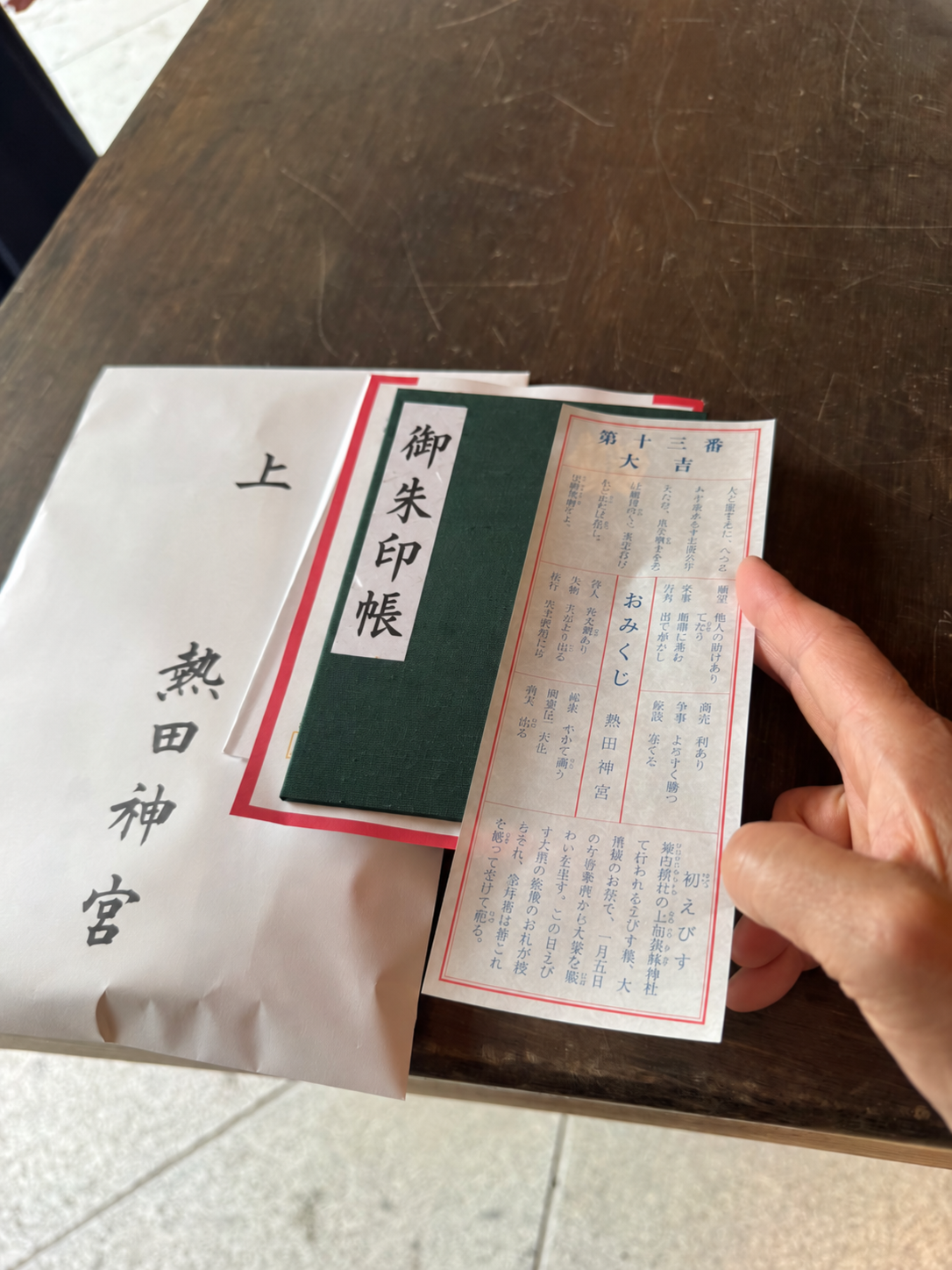
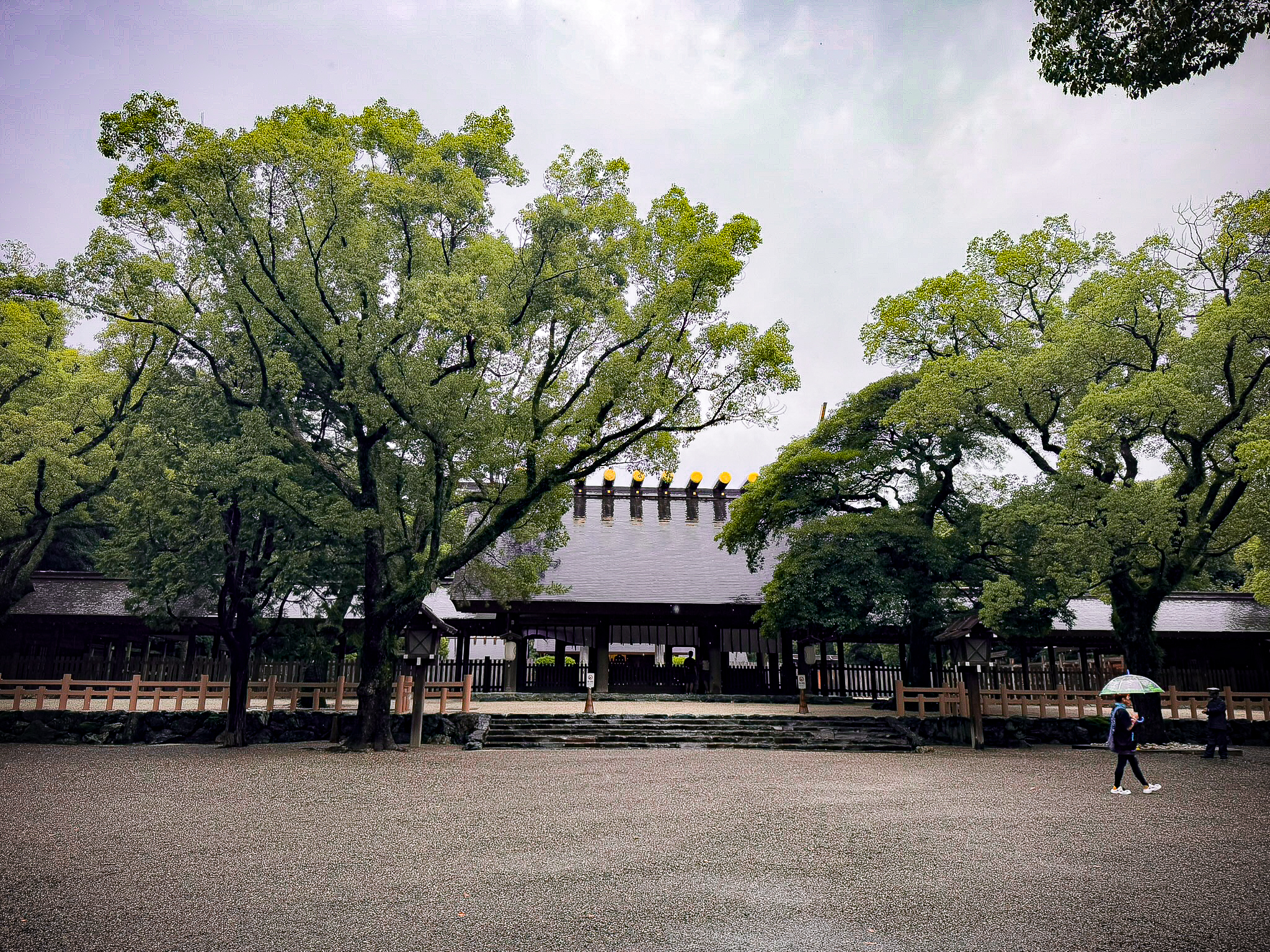
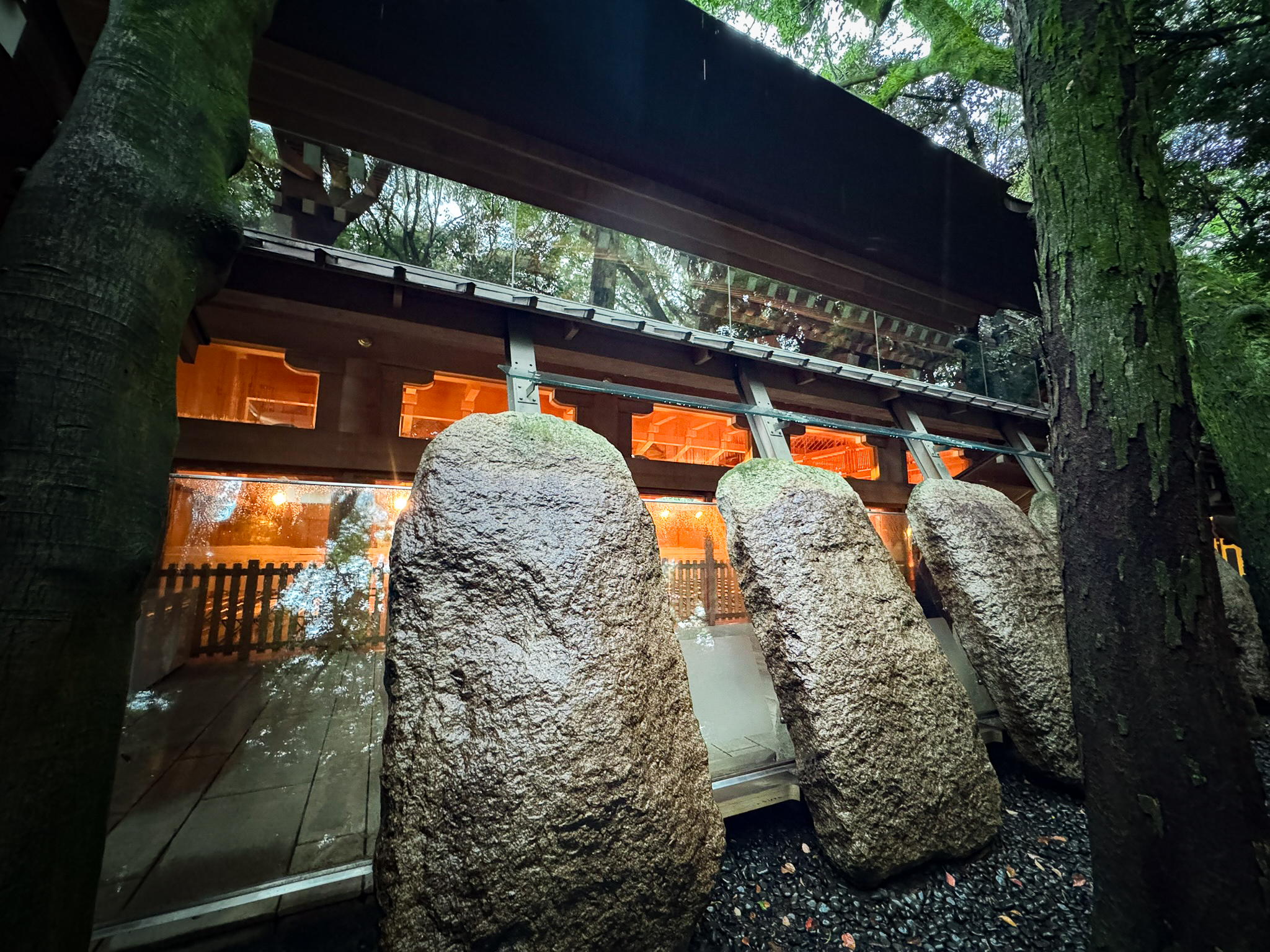
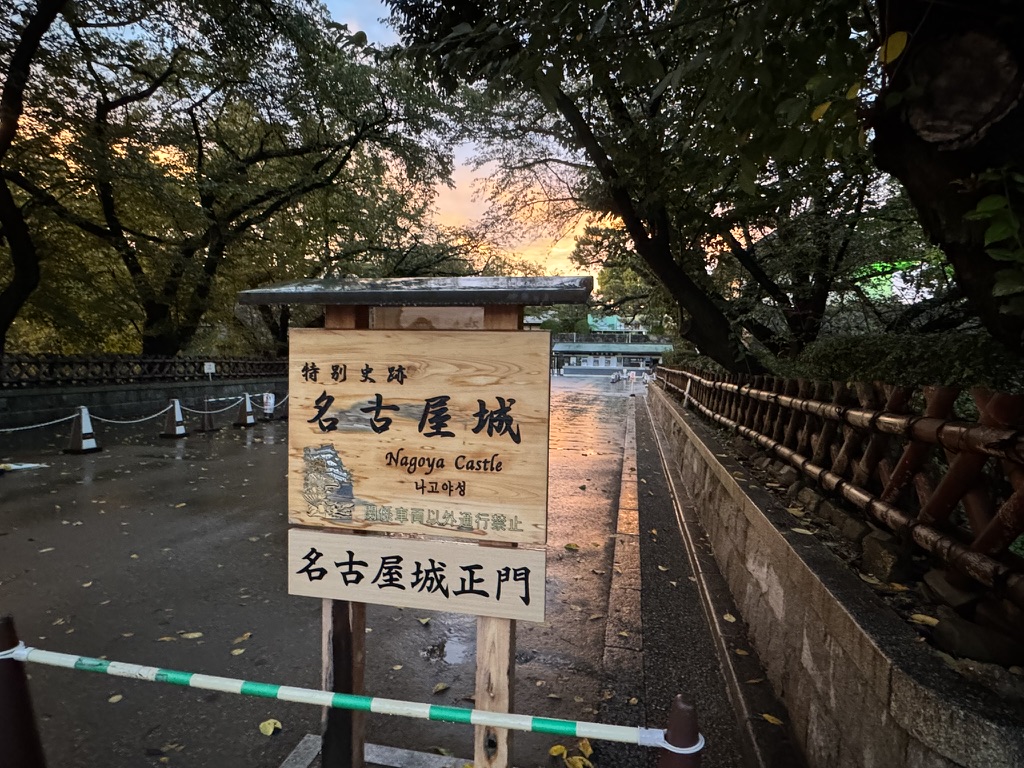
I chose omamori for six people there, and one for myself. I also bought my first goshuincho, a small book for collecting goshuin: calligraphy and a seal that mark a visit to a shrine or temple. I had seen them many times before but never felt drawn to one. This time I did. I remembered my trip to Takachiho before the pandemic and wished I had had one then.
A Detour to Osaka
The date for my pickleball plans in Osaka was already set, so I went there next. I had a great time playing open games. Osaka reminded me of New York: people were friendly and easy to talk to. (If you’re curious about playing pickleball in Japan, I also run Pickleball in Japan.)
Ise, Day One: Back and Forth
Tradition says to visit the Outer Shrine, Geku, before the Inner Shrine, Naiku. Geku enshrines Toyouke, the deity of food, clothing, and shelter.
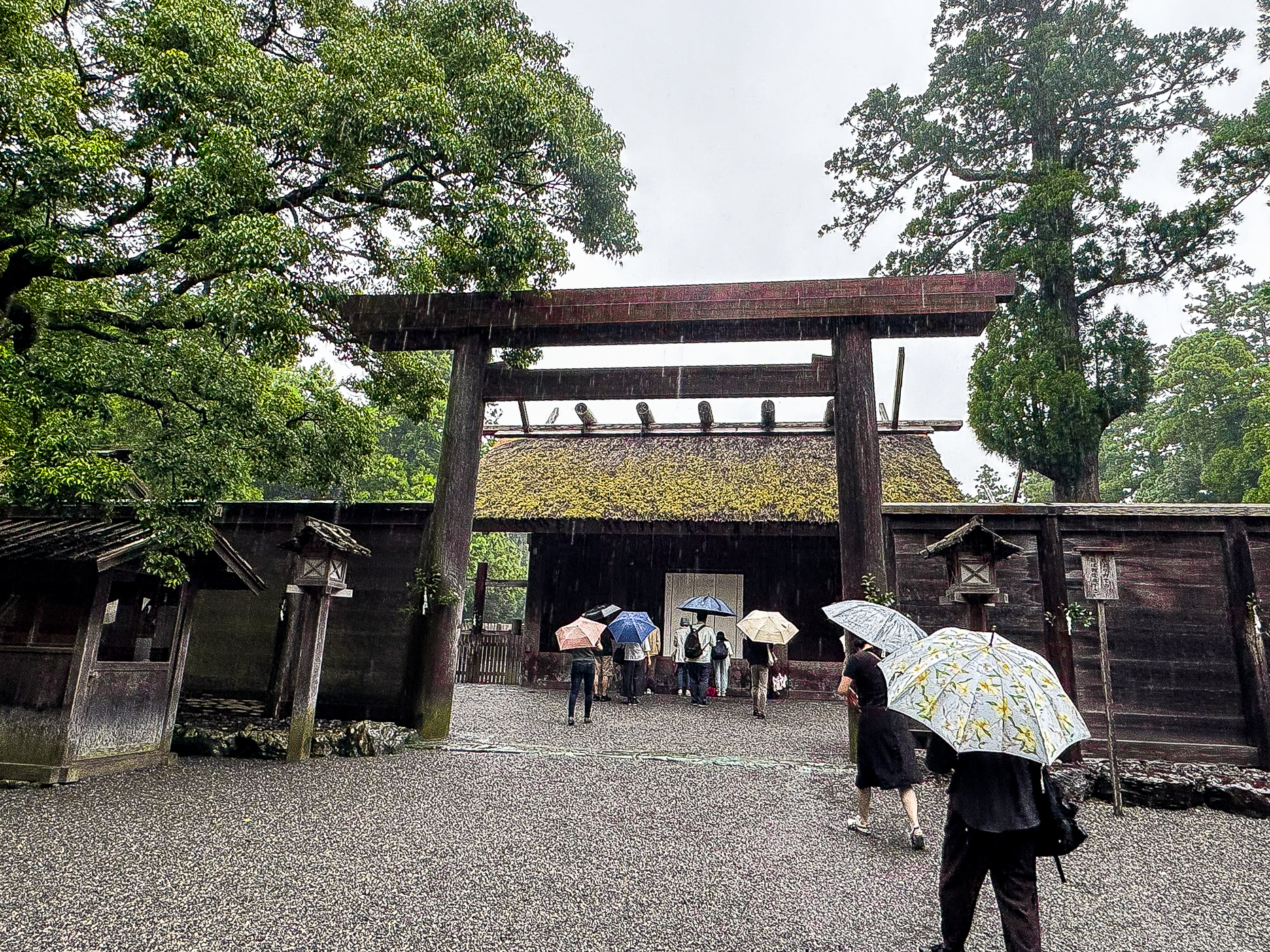
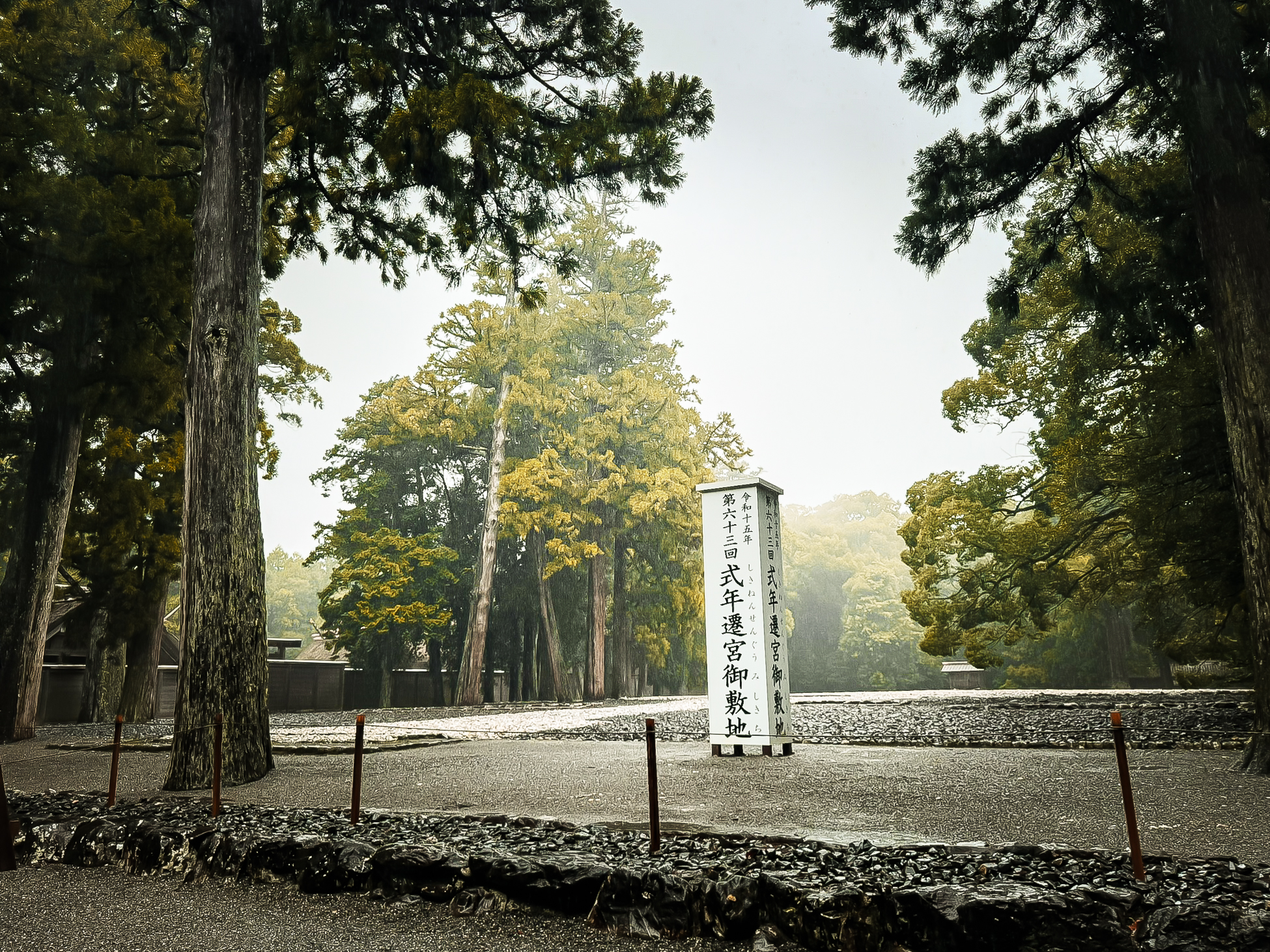
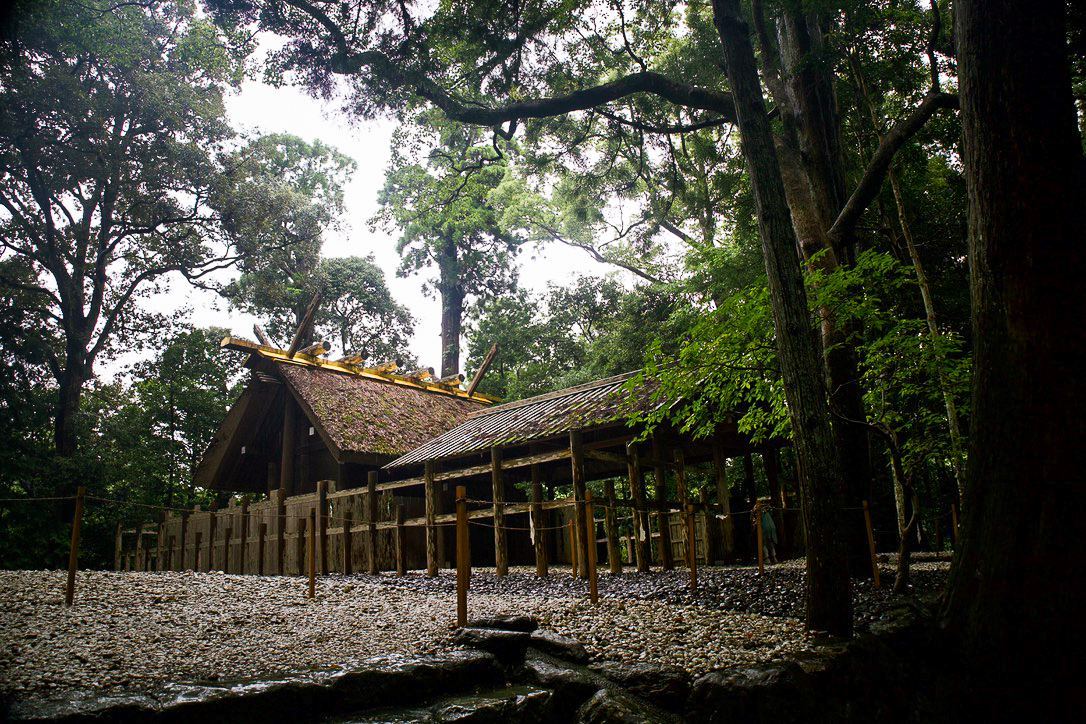
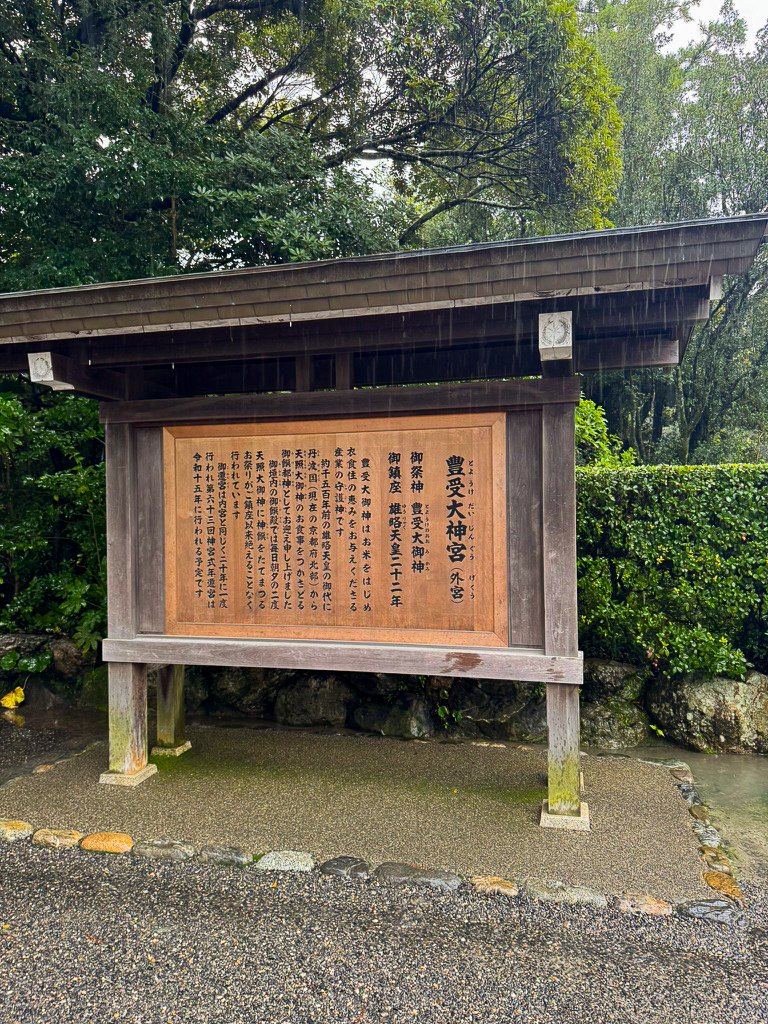
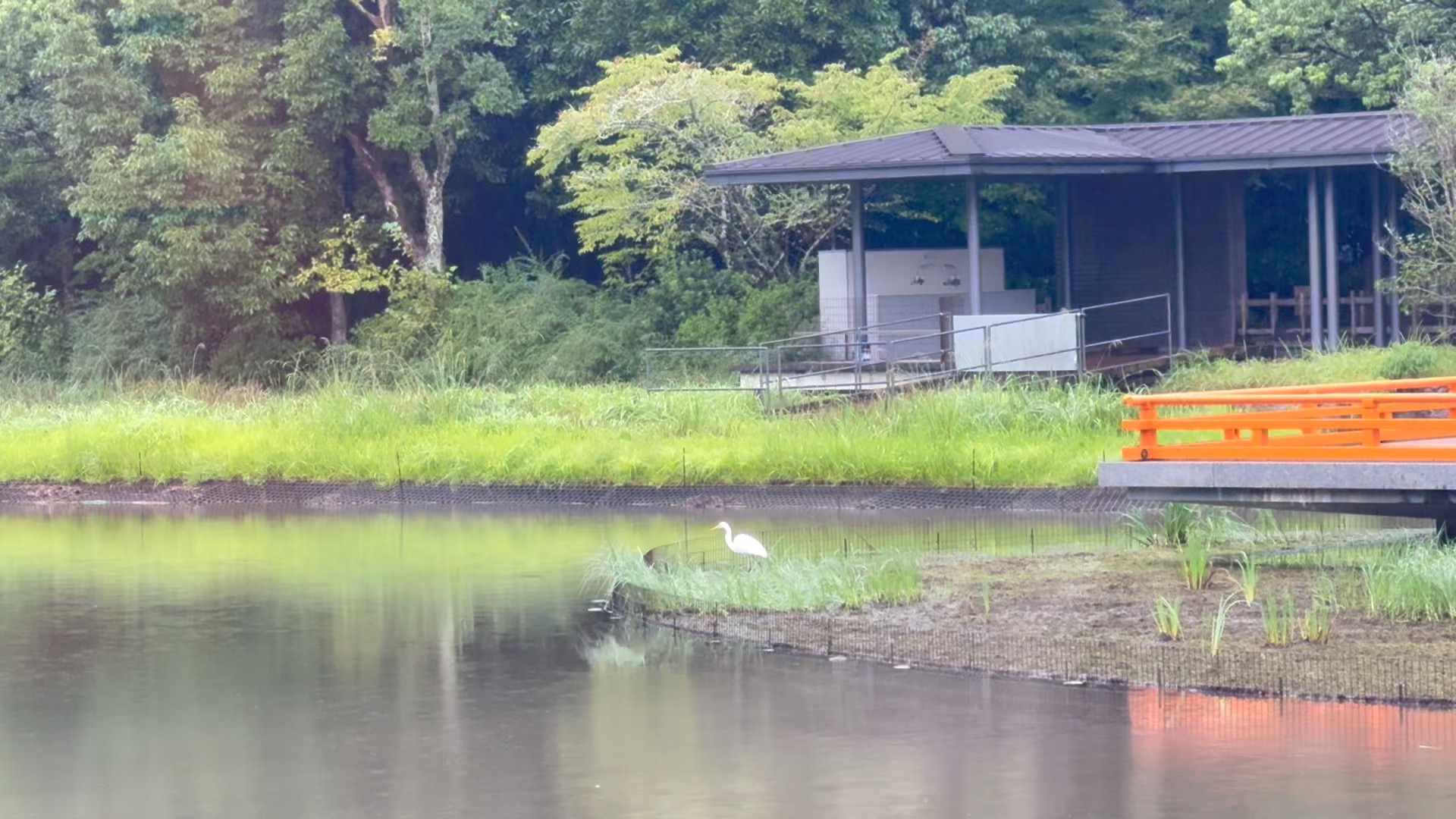
I arrived at Geku around 11 a.m. Then I realized I had left my goshuincho at the hotel. I went back to get it and returned around noon. That was my second visit to Geku, and the day wasn’t over yet.
In the afternoon, I went to Naiku, which enshrines Amaterasu, the sun goddess. It was raining and very crowded, with many visitors from overseas. There I discovered that each shrine offers different omamori. I had no idea what everyone would want, so I only chose two and sent messages to my family.
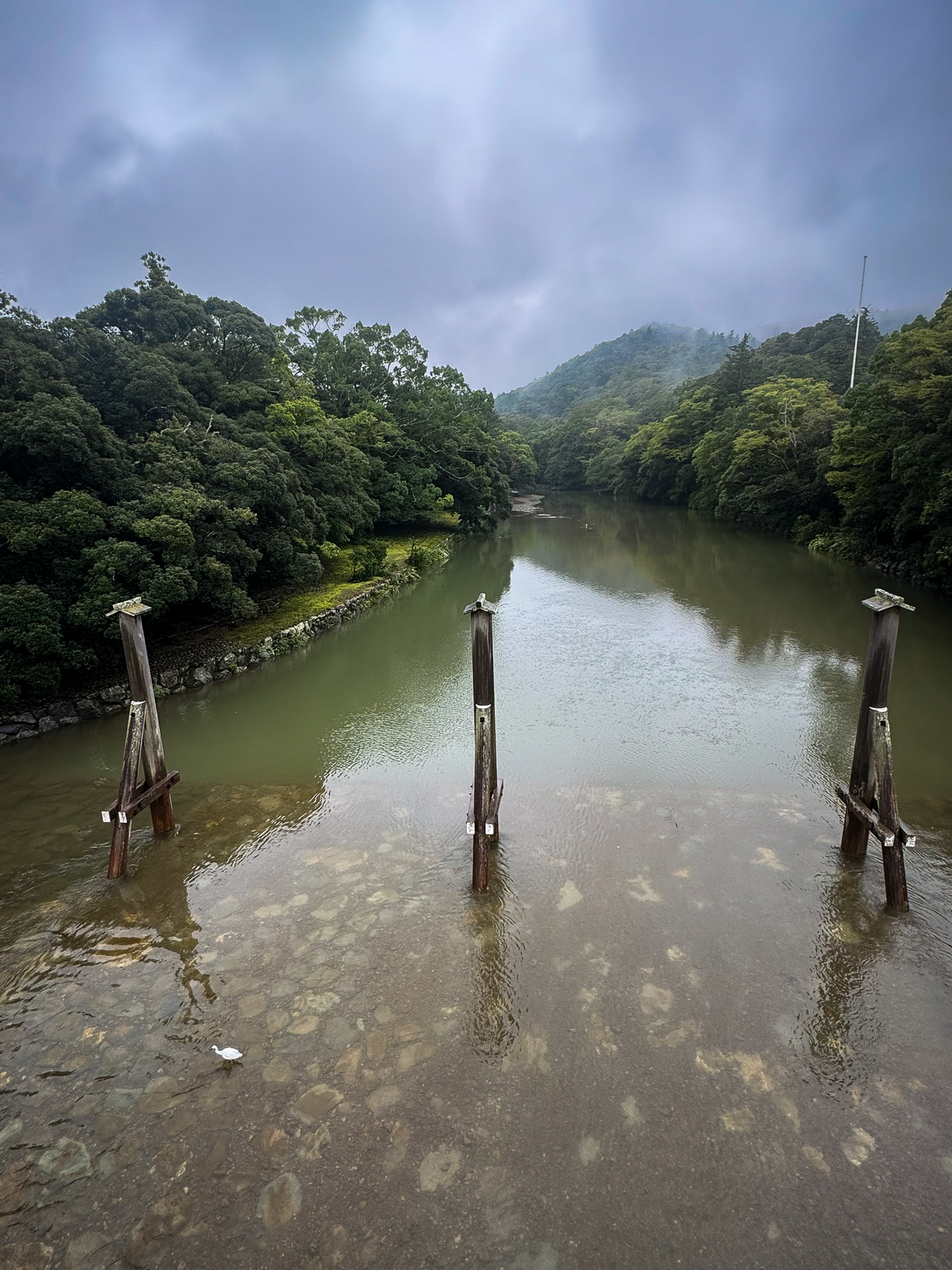
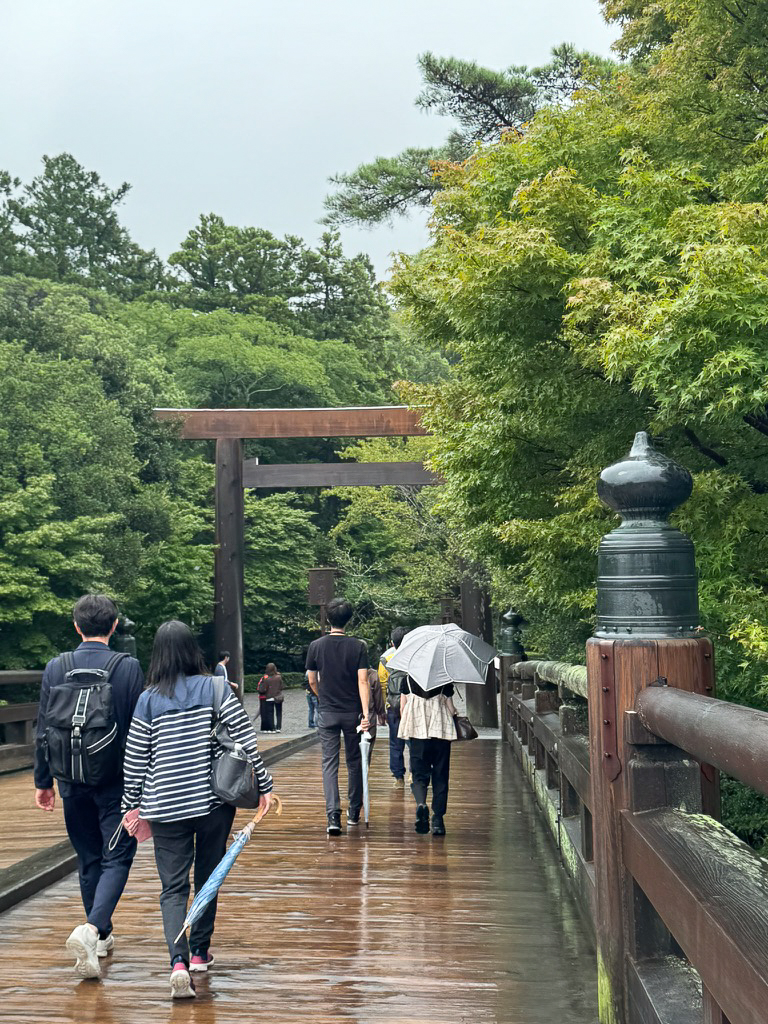
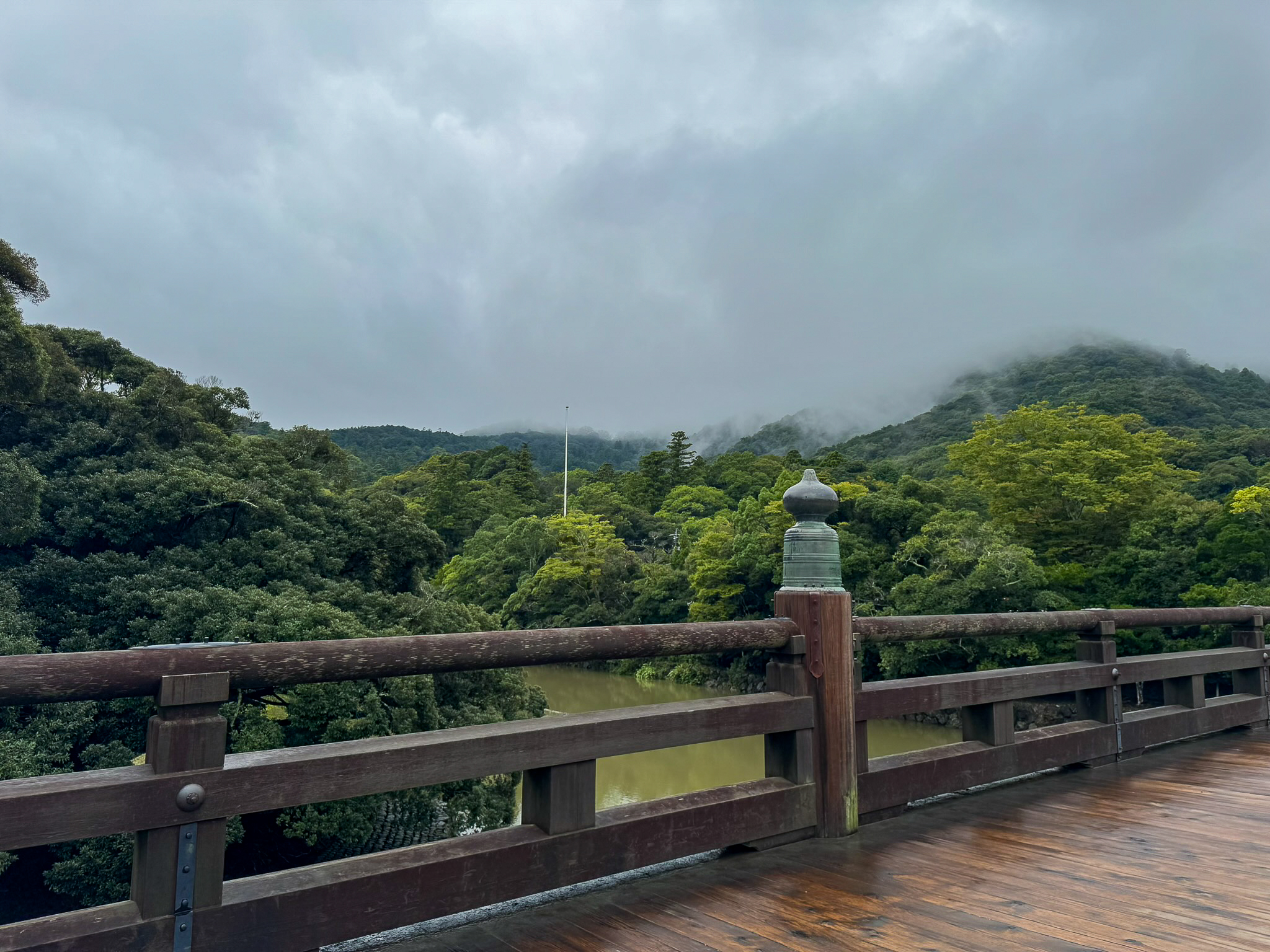
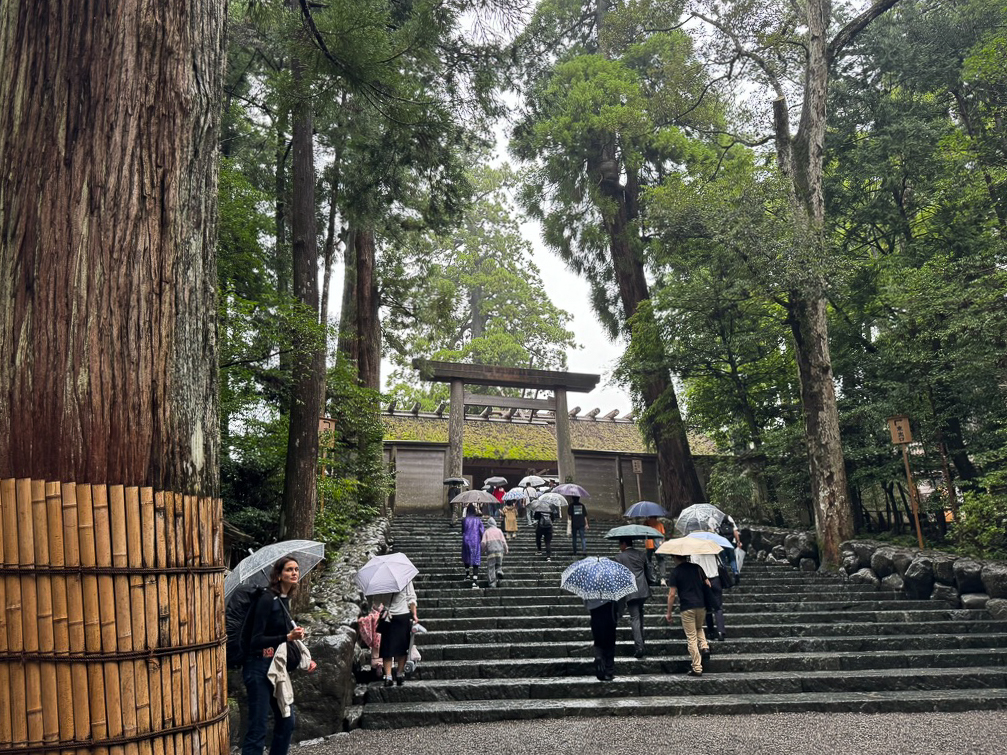
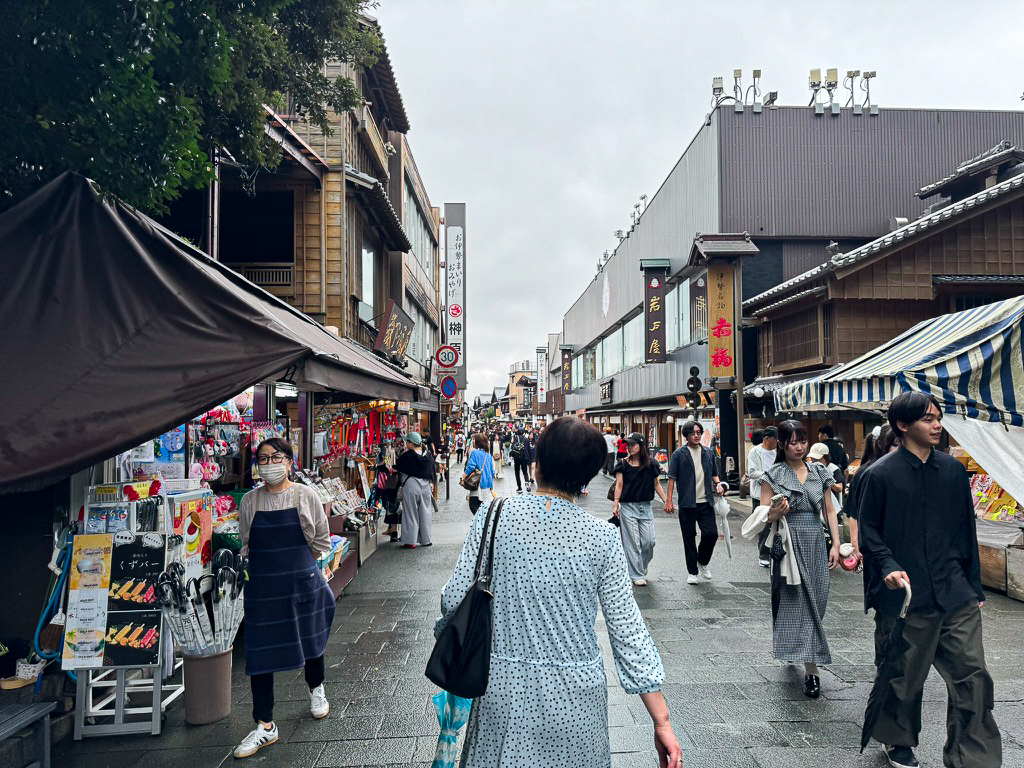
Before leaving, I asked a miko, a shrine maiden, what time they would open the next morning. She looked at me with curiosity and asked, “Are you coming back again?” I laughed. Yes, I was.
My family replied. They wanted the kaiun omamori, for good fortune, from Geku. So around 5:30 p.m., I went back to Geku for the third time that day.
Ise, Day Two: Early Morning at Naiku
The next morning, I took the 6 a.m. bus from Ise Station to Naiku. It felt like a different place. The rain had stopped. At that hour, there were only a few people, and they seemed to have come to pray, not to sightsee. The air was quiet, clear, and pure, and it felt like it was clearing my energy.
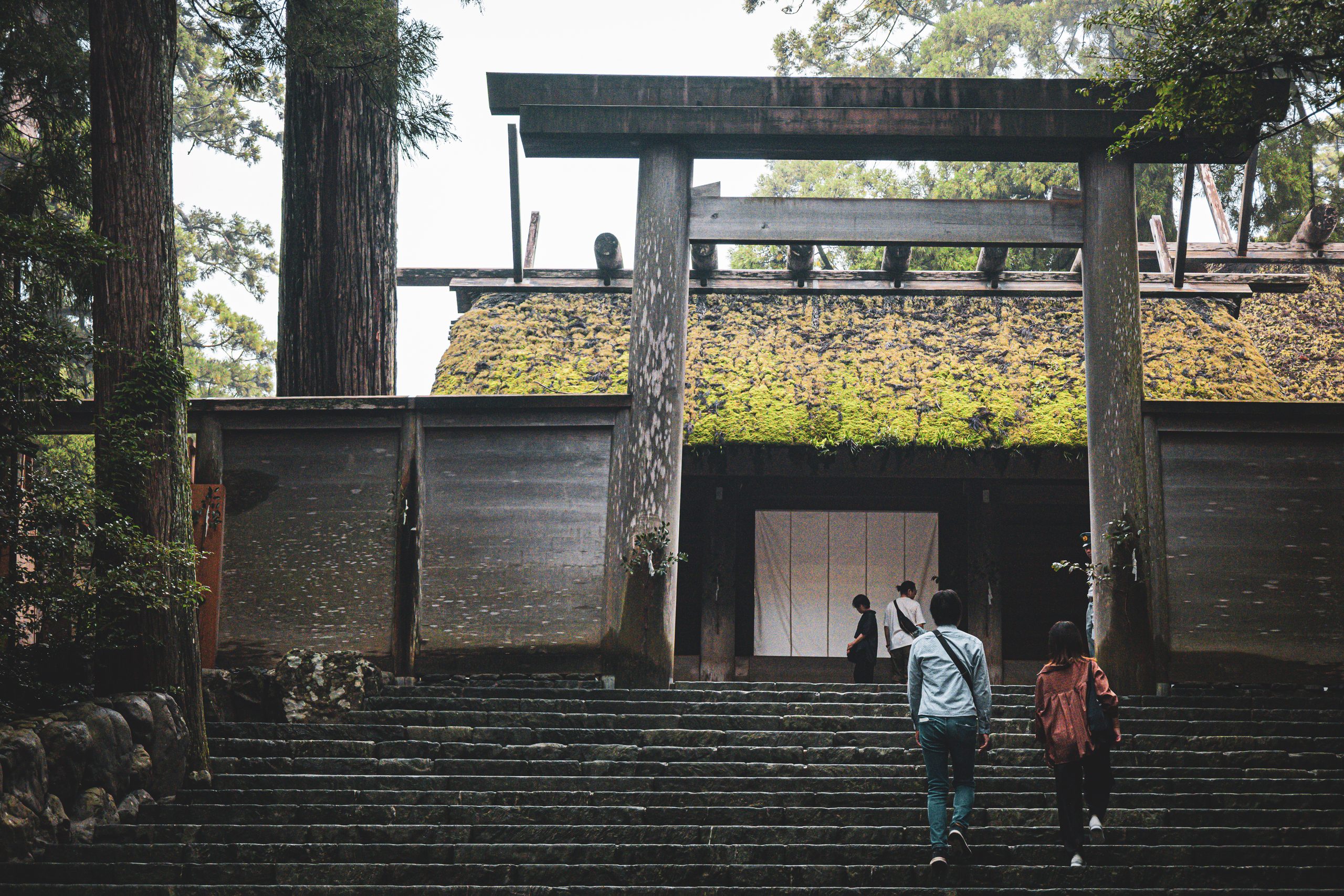
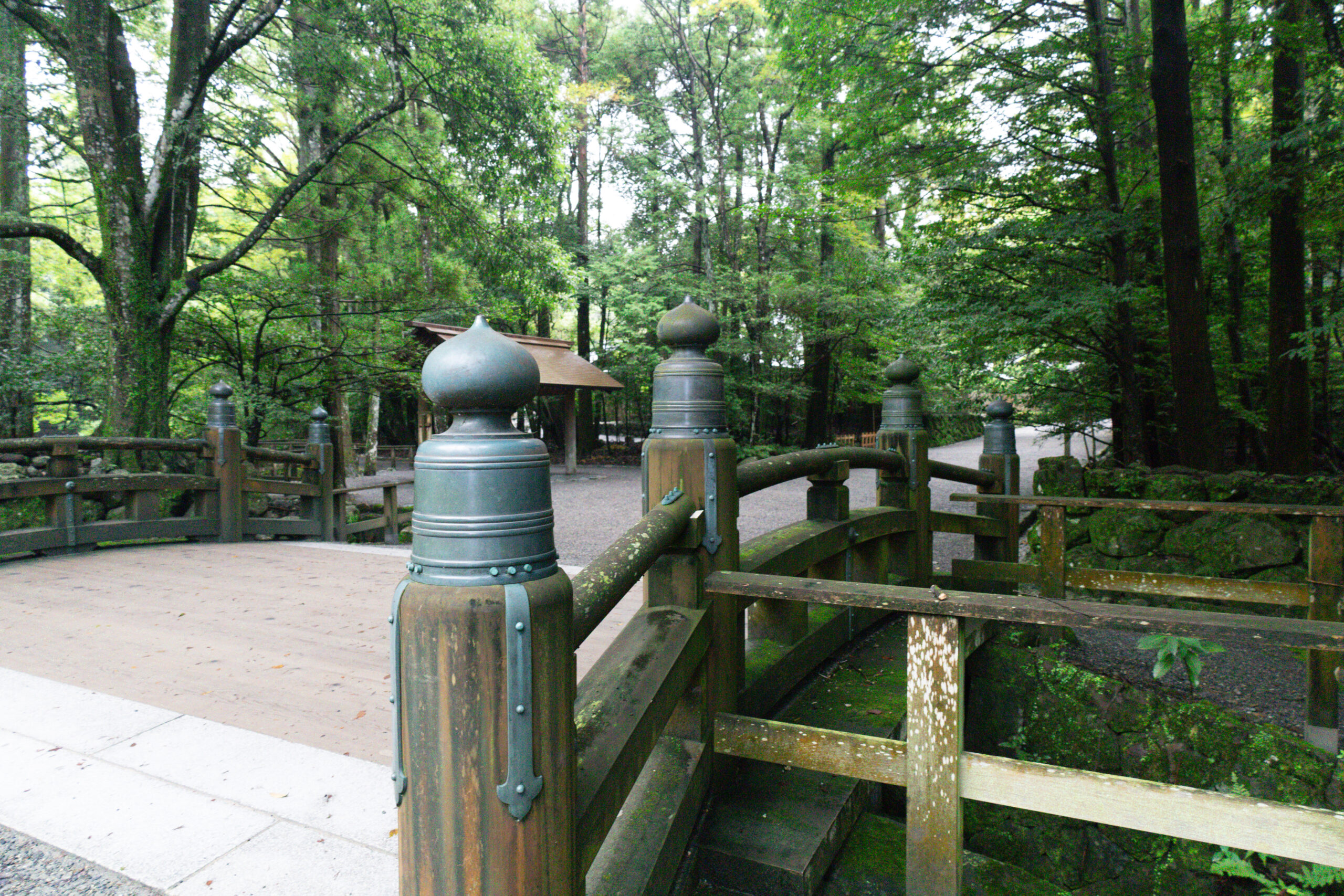
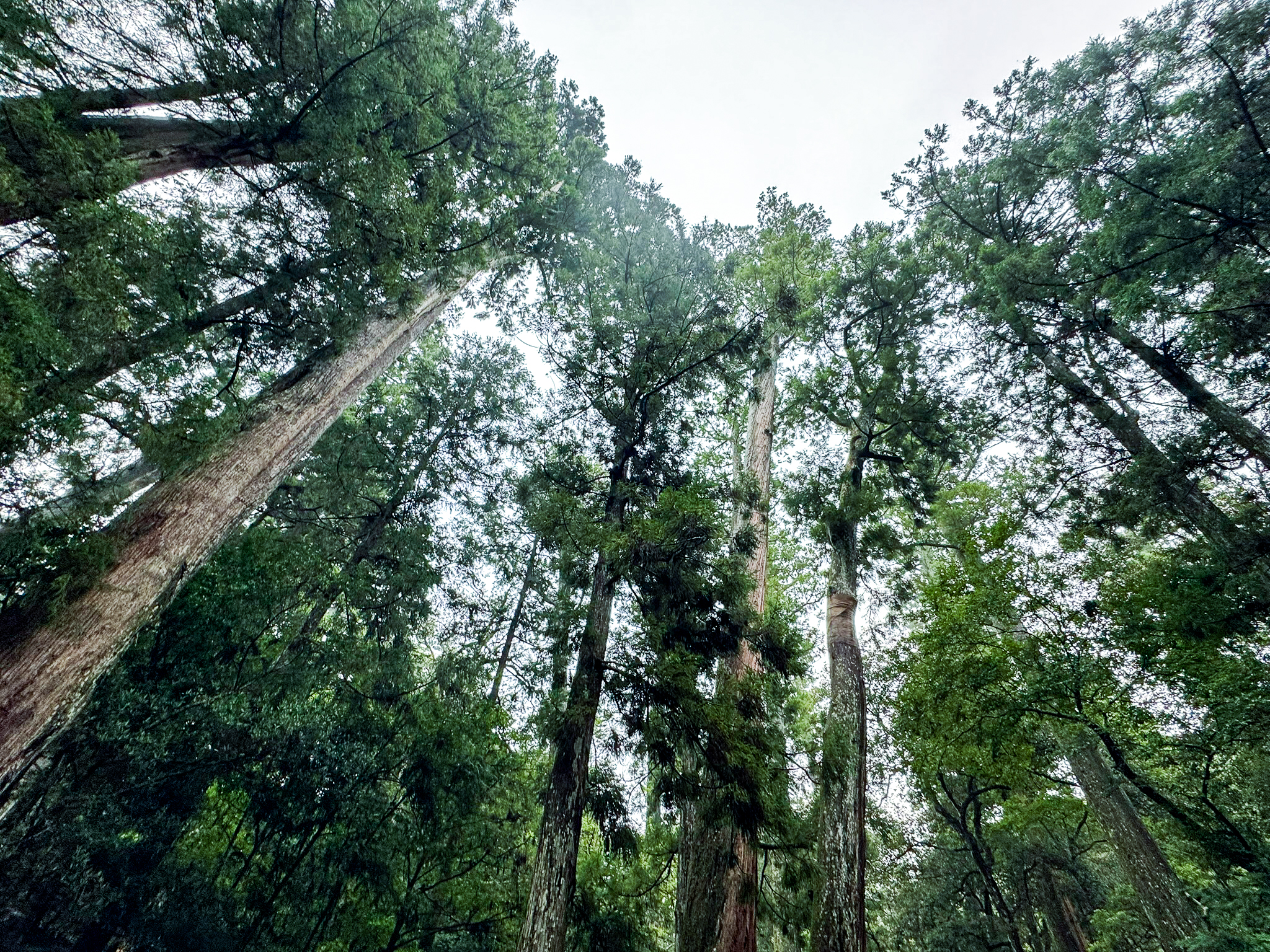
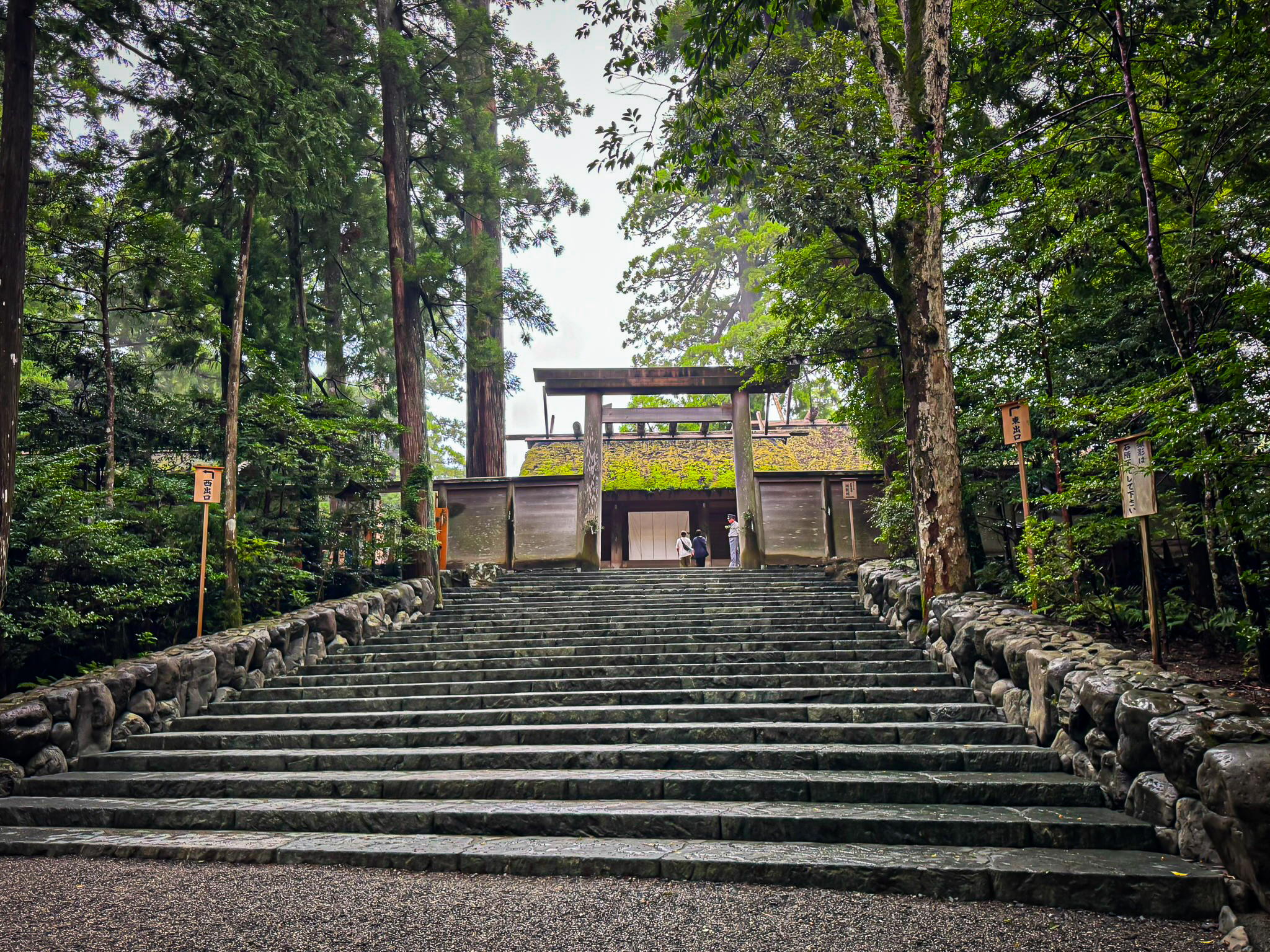
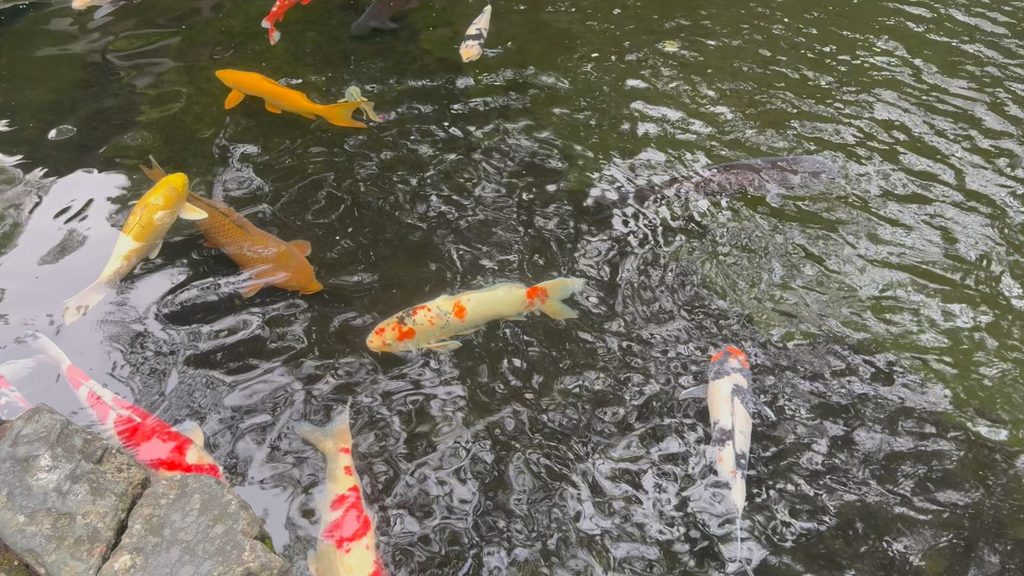
I took a different path from the day before and found koi swimming in a pond. The afternoon before, the crowds had scattered my attention. I couldn’t focus or relax at all. This morning, I could even say “good morning” to the guard and enjoy every moment.
Years ago, as I was walking toward Vatican City, I suddenly got goosebumps. It surprised me. What I felt at Ise was different: calm and peaceful.
This time I knew what I wanted. I chose omamori for eight people, plus one for myself. And then there was the extra one, the white omamori for traffic safety that I hadn’t chosen.
In the end, I took it. My mother still drives, and I decided it was meant for her.
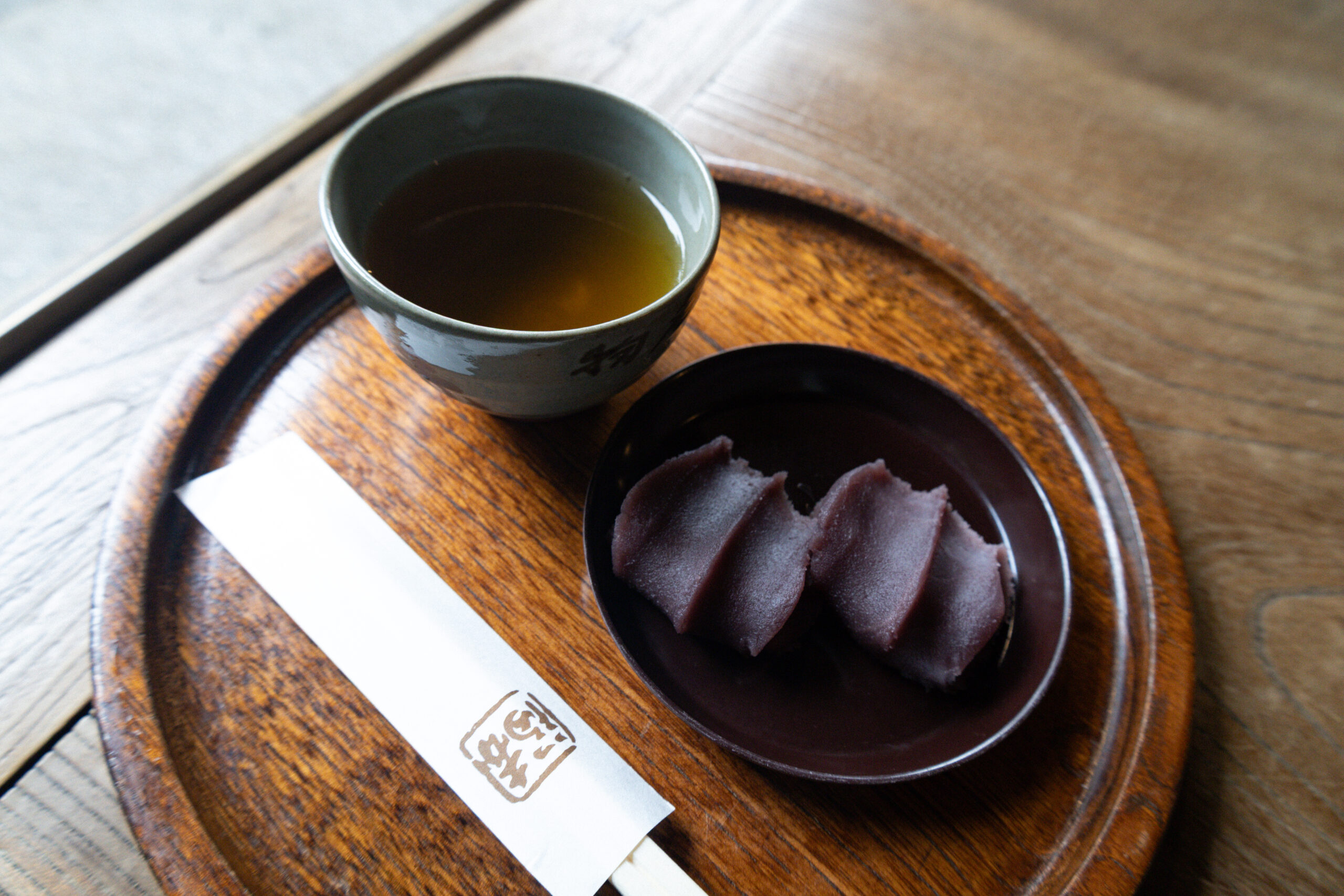
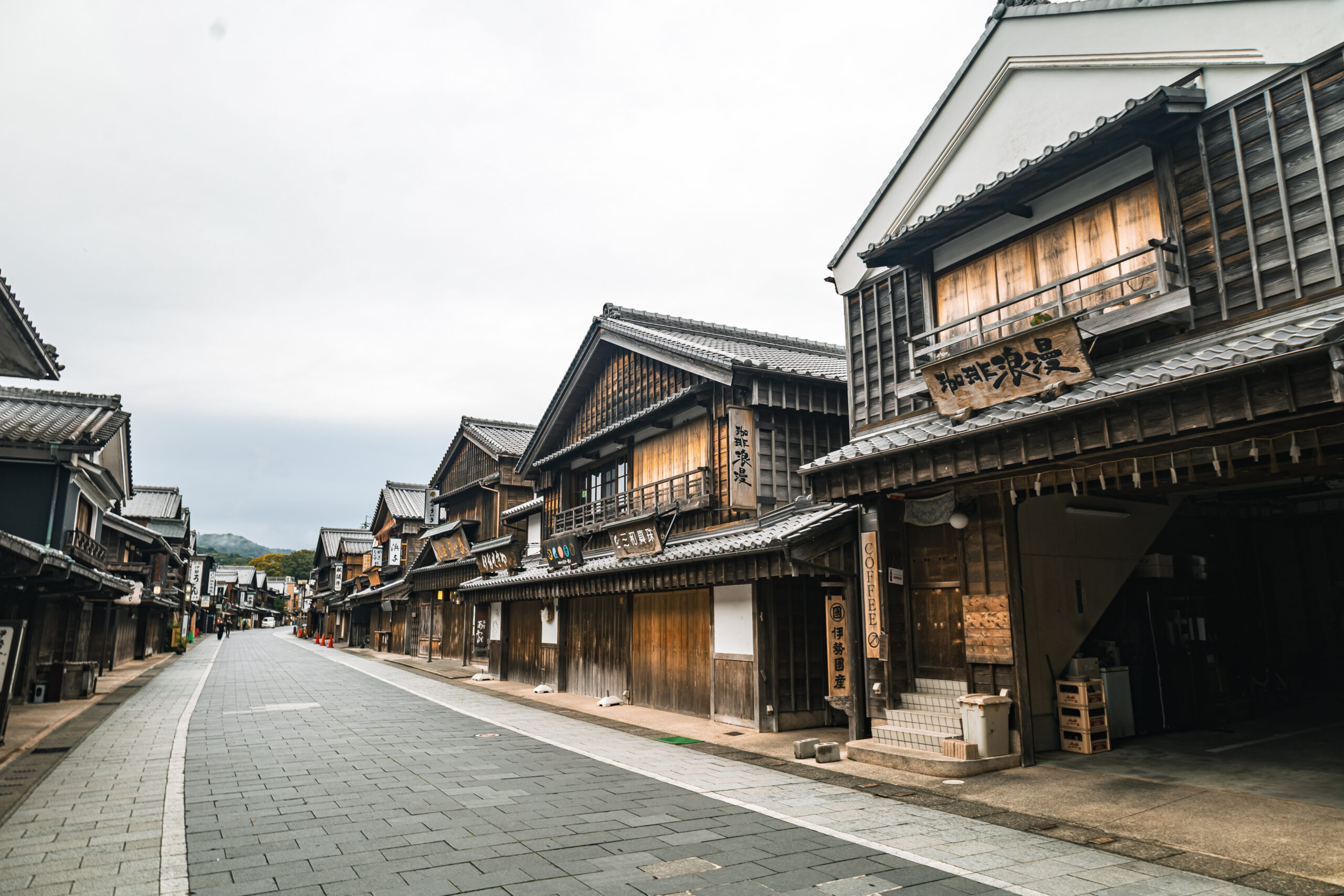
Afterward, I strolled through Oharai-machi, the old street just outside Naiku, and finally had the akafuku I had been looking forward to: soft rice cakes topped with sweet red bean paste. The shop opens at 5 a.m., so it was the perfect ending to an early morning. Walking along that street, I felt as if I were tracing the steps of someone from another time.
An Unexpected Connection to Ise-ko
That feeling stayed with me. Later, I read about Ise-ko. In the Edo period, a trip to Ise was a lifelong dream for many ordinary people. Villages formed groups called Ise-ko, pooled their money, and sent representatives who prayed on everyone’s behalf and brought home sacred talismans.
I was surprised to learn that this tradition reached even my home, Hokkaido. In Sapporo, Okadama Shrine traces its beginnings to an Ise-ko formed by settlers who arrived in 1870.
My trip was very different, of course. But reading about it, I thought of myself walking between Geku and Naiku with my family’s wishes on my phone.
What I Brought Home
After Ise, I continued to Tokyo for more pickleball.
When I think about this trip now, I feel a sense of completion, as if something that had been missing was finally in place. I was grateful that, this time, I was in a place in my life where I could ask for blessings for my family, not only for myself.
Being at Ise felt truly blessed, and it only happened because of an errand in Nagoya. And all those videos since January? I can’t say for sure what they meant. But I felt invited.
I gave the omamori to my family. The white one went to my mother.
If You Visit Ise Jingu
- Visit Geku first, then Naiku. This is the traditional order. The official site suggests a visiting route.
- Go early in the morning. Both shrines open at 5 a.m., and closing times change by season (in September, until 6 p.m.). Omamori and goshuin at the main shrine offices are available from 6 a.m. Check, the official visiting hours before you go.
- Take the early bus. Buses run from Ise Station to Naiku from early morning, and the first hours of the day are the quietest.
- Omamori differ by shrine. If you’re buying for family or friends, look at what each place offers and check with them before you choose.
- Bring your goshuincho. Learn from my mistake.
- Stop by Oharai-machi after your visit. The akafuku shop opens early, so it’s a perfect breakfast after an early-morning visit.
- Getting there: Kintetsu trains run to Ise from both Nagoya and Osaka.











0 Comments