Stargazing in the Atacama Desert in 2023: SpaceObs Review, UFO Encounters, and the Psychology of Awe
For as long as I can remember, I have been fascinated by the mysteries of the universe.
Why are we here? Are we alone? What lies beyond the stars?
These questions have captivated humanity for centuries. In recent years, interest in space has grown even stronger with National Aeronautics and Space Administration’s Artemis program, which aims to return humans to the Moon, and with increasing public discussion of unexplained aerial phenomena (UAPs), commonly known as UFOs.
My fascination with the sky is also rooted in personal experience. Growing up in Japan, I had two unexplained sightings—one when I was about ten years old and another when I was around twenty. Decades later, after moving to New York City, I experienced what may have been another unusual sighting over the Hudson River late at night. I cannot say with certainty what any of these objects were, but these moments deepened my curiosity about the possibility that there may be aspects of the universe we do not yet understand.
I often wonder how many people might notice extraordinary things if they simply looked up more often. As children, we naturally spend time gazing at the sky with curiosity and imagination. As adults, however, we become absorbed in work, responsibilities, and daily routines. Many of us move to large cities like New York, where bright lights obscure the stars and even the simple act of pausing to appreciate the blue sky becomes increasingly rare.
Perhaps that is why stargazing in the Atacama Desert had remained on my bucket list for so many years.
In 2023, I finally turned that dream into reality during my trip to Chile.
Why the Atacama Desert Is One of the Best Places in the World for Stargazing
Its extraordinary conditions include:
- Almost no rainfall
- Exceptionally dry air
- High altitude
- Minimal light pollution
- More than 300 clear nights per year
- Stable atmospheric conditions, which reduce the twinkling effect and improve telescope performance
Under ideal conditions, the Milky Way appears vividly to the naked eye, stretching across the sky in breathtaking detail.
These remarkable conditions have made the Atacama a global center for astronomy. The region is home to some of the world’s most advanced observatories, including ALMA Observatory, where scientists study the origins of stars, planets, and galaxies.
For visitors, this means more than simply seeing a beautiful night sky. Standing beneath the stars in the Atacama offers a rare opportunity to experience the same extraordinary conditions that professional astronomers use to explore the universe.
In many ways, the Atacama Desert feels like a natural observatory—one where anyone, regardless of scientific background, can reconnect with a profound sense of wonder.
Planning My Bucket-List Trip in 2023
Stargazing in the Atacama Desert had been on my bucket list for years.
After researching several companies, I chose SpaceObs Star Tours. I contacted them multiple times before my trip, and they were consistently prompt, professional, and reliable. Their excellent communication gave me confidence that I had selected the right company.
One of the most important lessons I learned during the planning process was that the moon phase matters.
At first, I assumed that a full moon would make the experience even more special. In reality, bright moonlight washes out many stars and can significantly reduce the visibility of the Milky Way. In fact, many stargazing tours are not offered during or immediately after the full moon because the sky is simply too bright.
To maximize my chances of seeing the Milky Way and countless stars under the darkest possible skies, I completely rearranged my Chile itinerary. I changed all of my domestic flights and reversed the order of my visits to Patagonia and the Atacama so that I would be in the desert during the new moon.
This was not a minor adjustment. Traveling from southern Chile to northern Chile required a full day of travel via Santiago because there were no direct flights.
Looking back, it was one of the best travel decisions—and one of the most worthwhile itinerary changes—I have ever made.
My SpaceObs Star Tours Experience
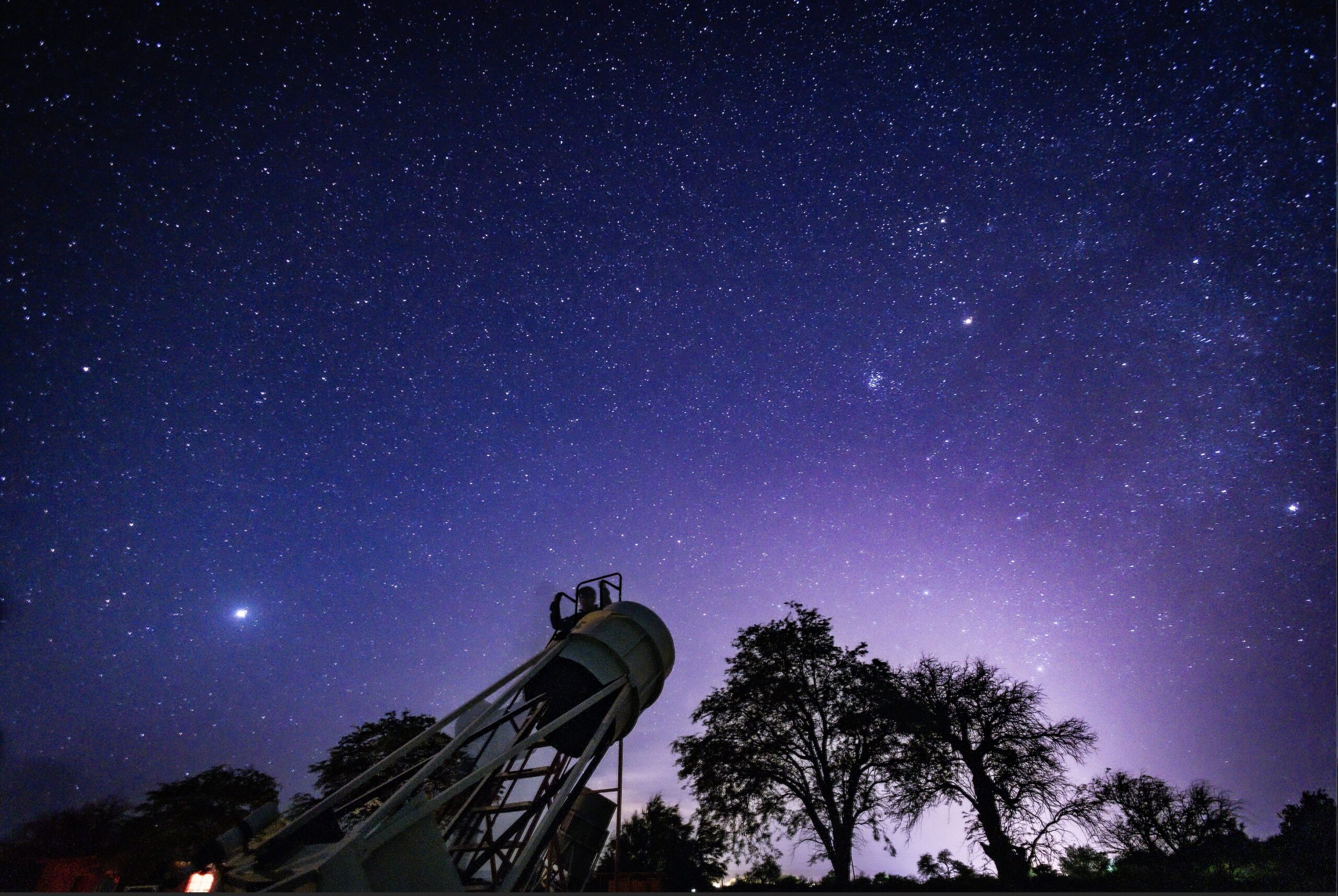
My evening with SpaceObs Star Tours exceeded all expectations and became one of the most memorable experiences of my 2023 trip to Chile.
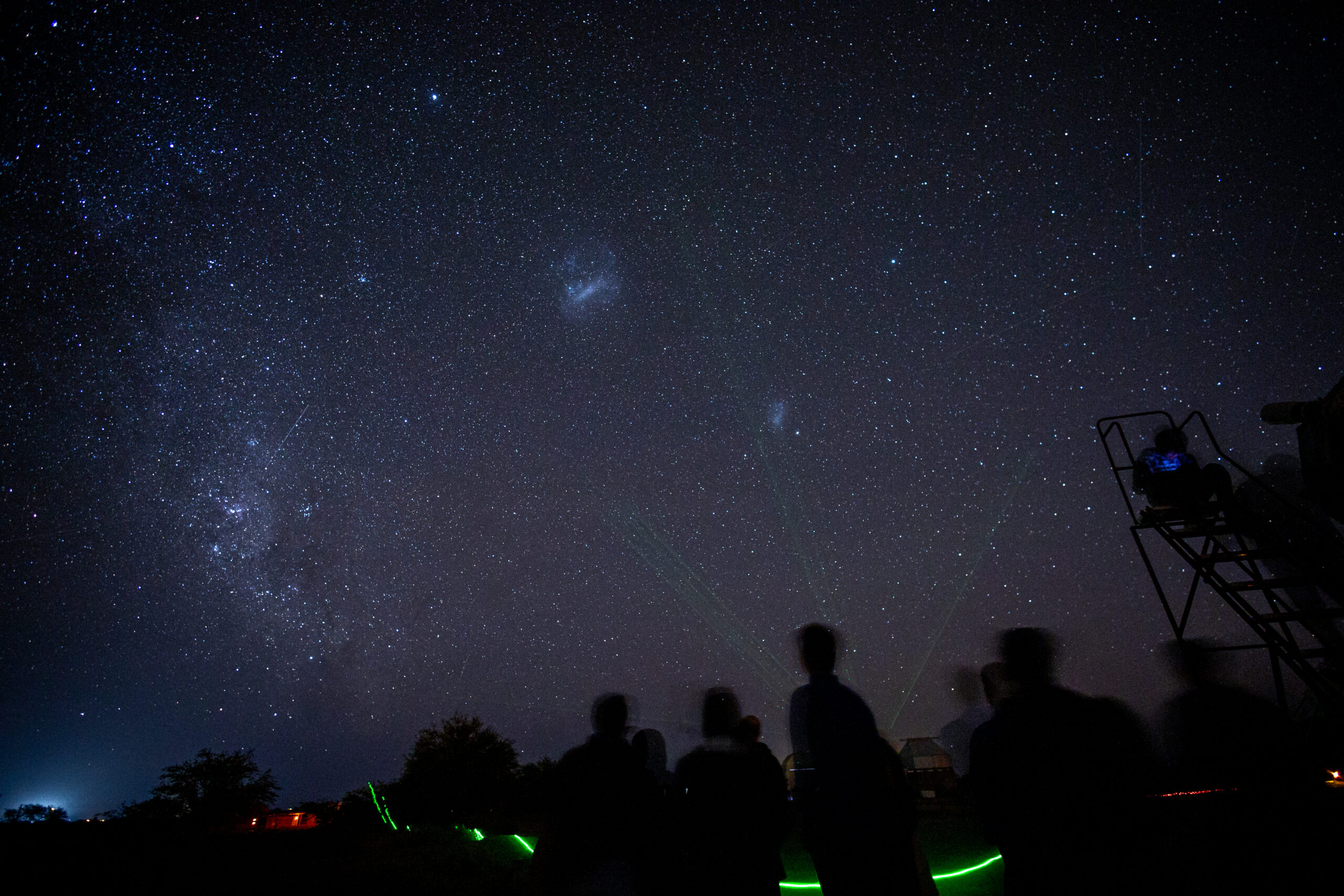
One of the most fascinating aspects of the tour was the guide’s use of a laser pointer to trace constellations and identify celestial objects across the night sky. I had never experienced anything like it. It felt as though I were attending a live planetarium show, except that the ceiling above us was the actual universe.
Before leaving home, I studied the basics of astrophotography because I had previously made mistakes while trying to photograph the Aurora Borealis in Iceland. This preparation allowed me to make the most of the Atacama’s exceptionally dark skies.
SpaceObs also provided a dedicated photography assistant who took professional portraits of each participant beneath the stars. The staff were highly skilled, and the resulting images became treasured souvenirs of the experience.
At the end of the evening, we enjoyed warm drinks and friendly conversations with fellow travelers. As a thoughtful final touch, each participant received a USB drive containing all of the professionally taken photographs.
The experience was so extraordinary that I immediately booked a second session. Unfortunately, it was canceled because of cloud cover.
That disappointment reinforced an important lesson: if stargazing is a priority, it is wise to stay several nights in San Pedro de Atacama to increase your chances of experiencing clear skies.
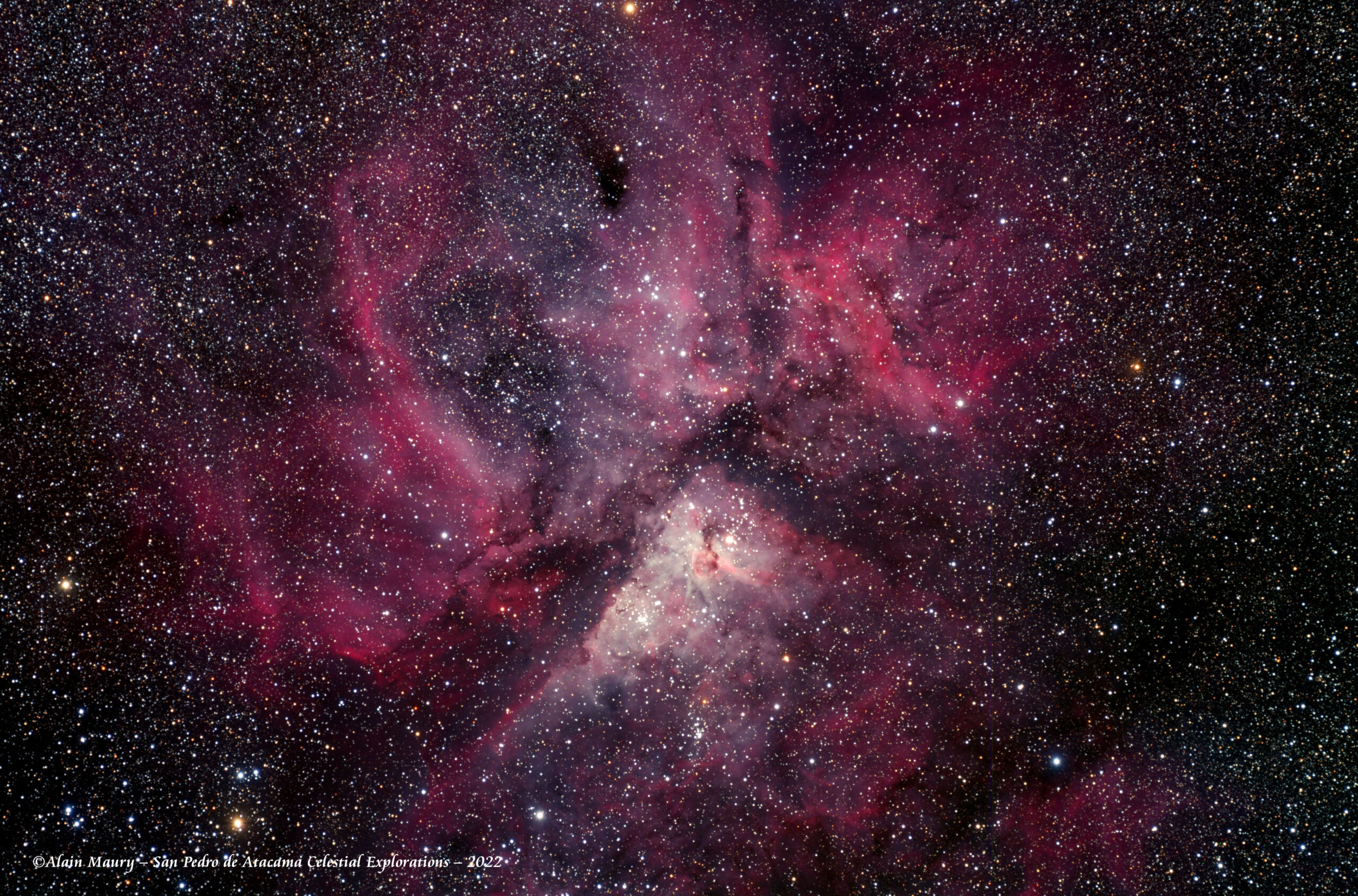
©Alain Maury – San Pedro de Atacama Celestial Explorations – 2022
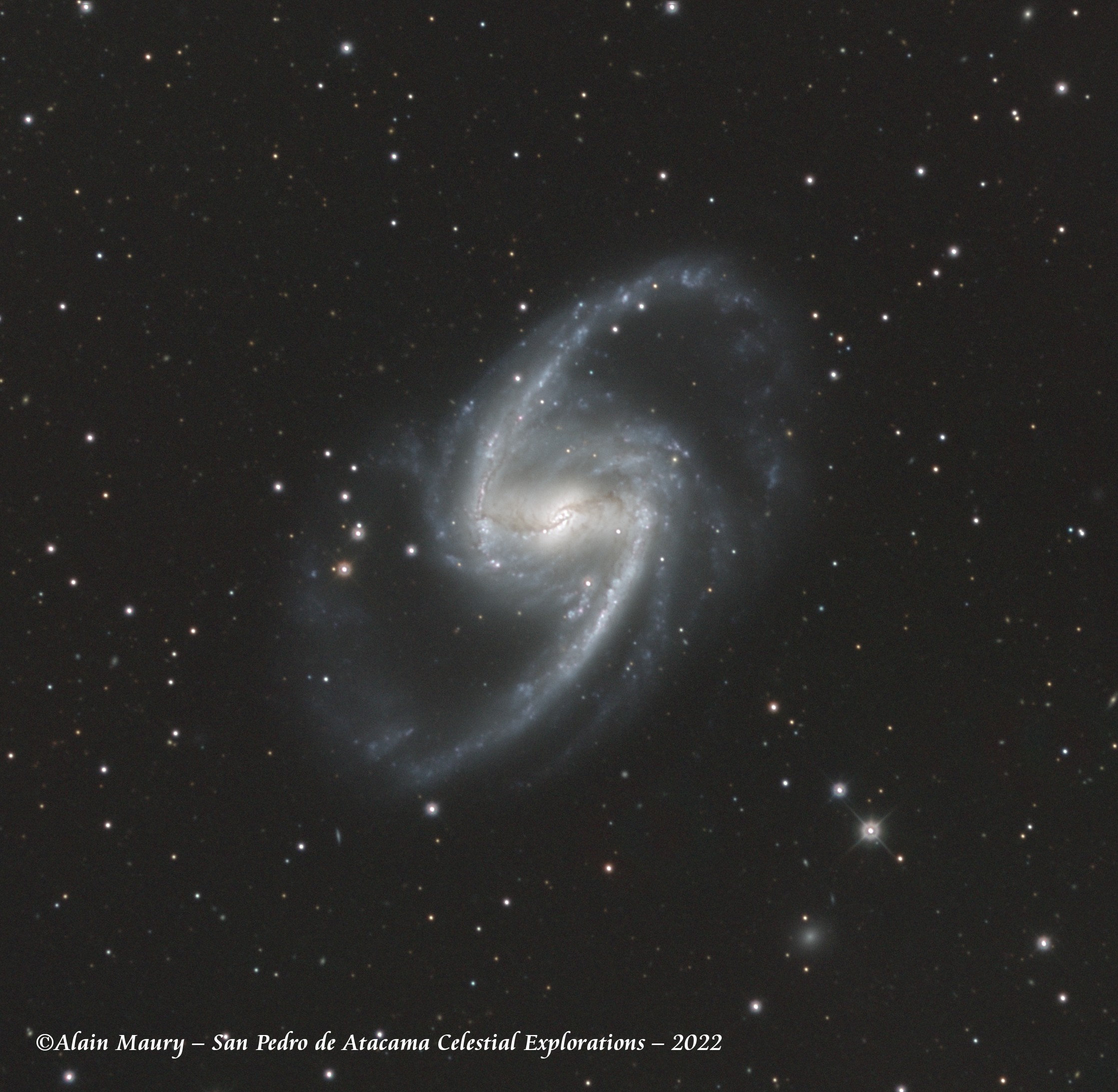
©Alain Maury – San Pedro de Atacama Celestial Explorations – 2022
A Second Stargazing Tour
A few days later, I joined another stargazing tour recommended by my hotel in San Pedro de Atacama.
This tour was conducted entirely in Spanish, which I did not understand, and the overall experience felt quite different from my first evening with SpaceObs Star Tours. I was also still recovering from mild altitude sickness after spending the previous day at higher elevations, so I was not feeling at my best.
The staff were warm and welcoming. They prepared a lovely selection of snacks and also took photographs of the participants. Although I enjoyed the experience, I was focused primarily on taking my own night-sky photos and did not pay enough attention to downloading the images they had taken for me.
After leaving Chile, I contacted the company to request the photos, but unfortunately they were no longer available.
It was a disappointing reminder of an important travel lesson: whenever possible, download and back up your photos immediately. Some of the most meaningful moments of a journey can be lost simply because we assume there will always be time to retrieve them later.
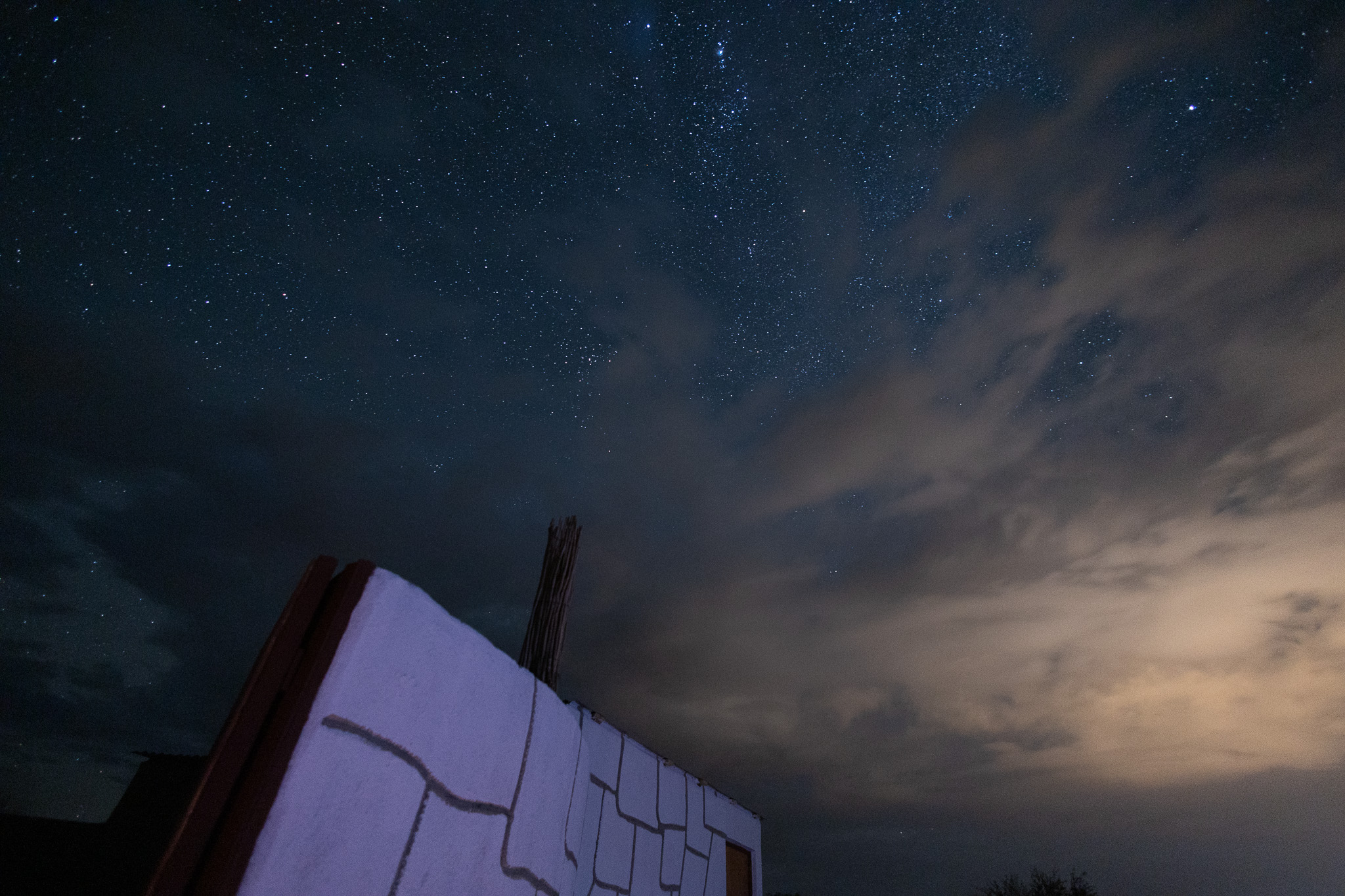
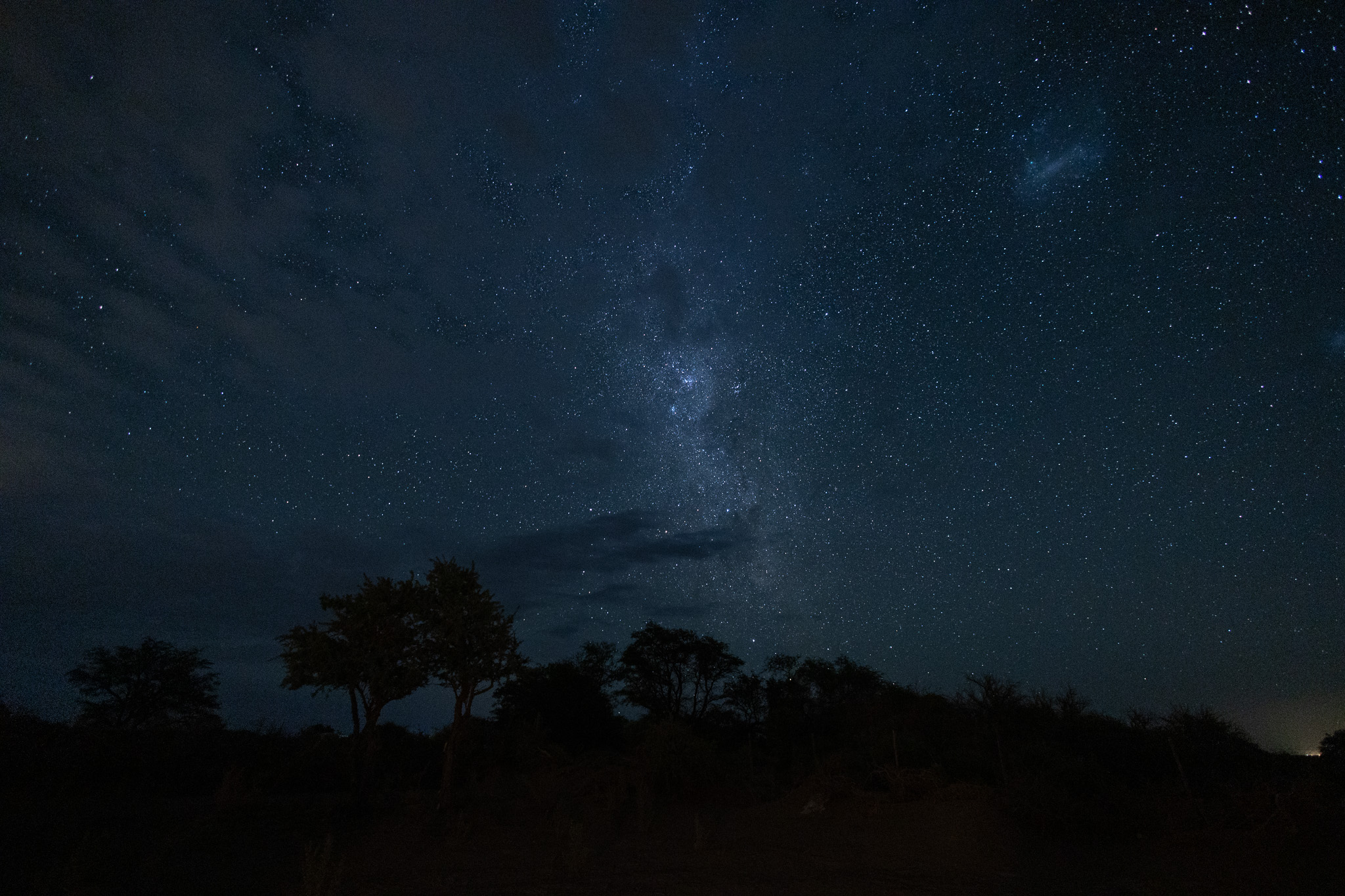
Seeing the Milky Way With My Own Eyes
Seeing the Milky Way With My Own Eyes
I had never seen so many stars in my life.
Under the exceptionally dark skies of the Atacama Desert, the Milky Way stretched vividly across the heavens, clearly visible to the naked eye without the aid of a telescope.
What made the experience even more fascinating was that Chile lies in the Southern Hemisphere. Having spent my entire life in the Northern Hemisphere, I was seeing a very different night sky from the one I had known since childhood. Familiar constellations were absent or appeared in unexpected positions, adding an entirely new dimension to the experience.
Although I had seen countless photographs of the Milky Way, nothing prepared me for the emotional impact of witnessing it in person. The sky felt almost unreal—so vast, so detailed, and so overwhelmingly beautiful that it was difficult to comprehend.
No photograph can fully capture what it feels like to stand beneath one of the darkest skies on Earth and see our galaxy arching overhead.
It was one of the most awe-inspiring experiences of my life and a powerful reminder of how small we are in the universe—and how comforting that realization can be.
Meteorites, Magnets, and Childhood Dreams
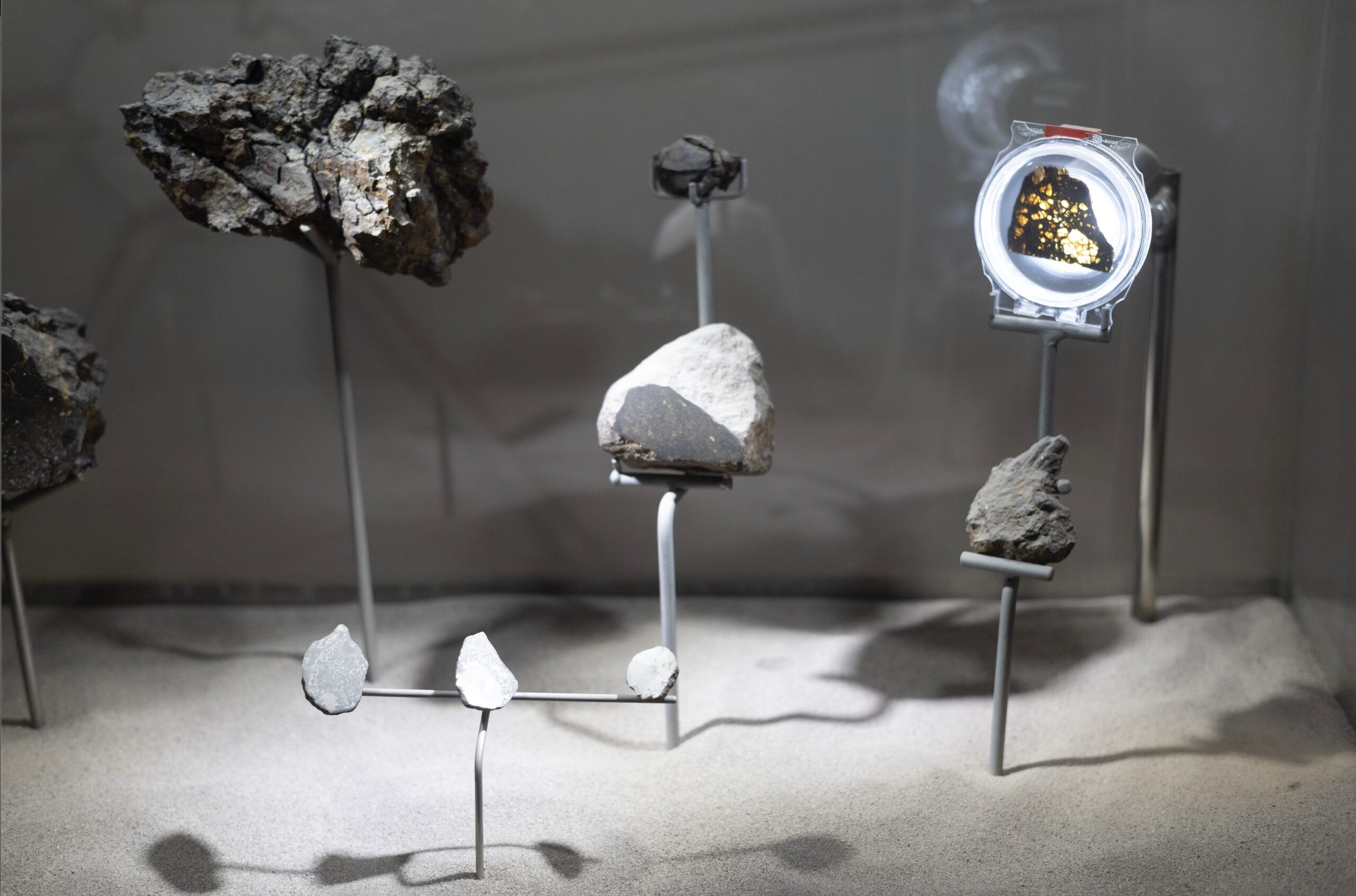
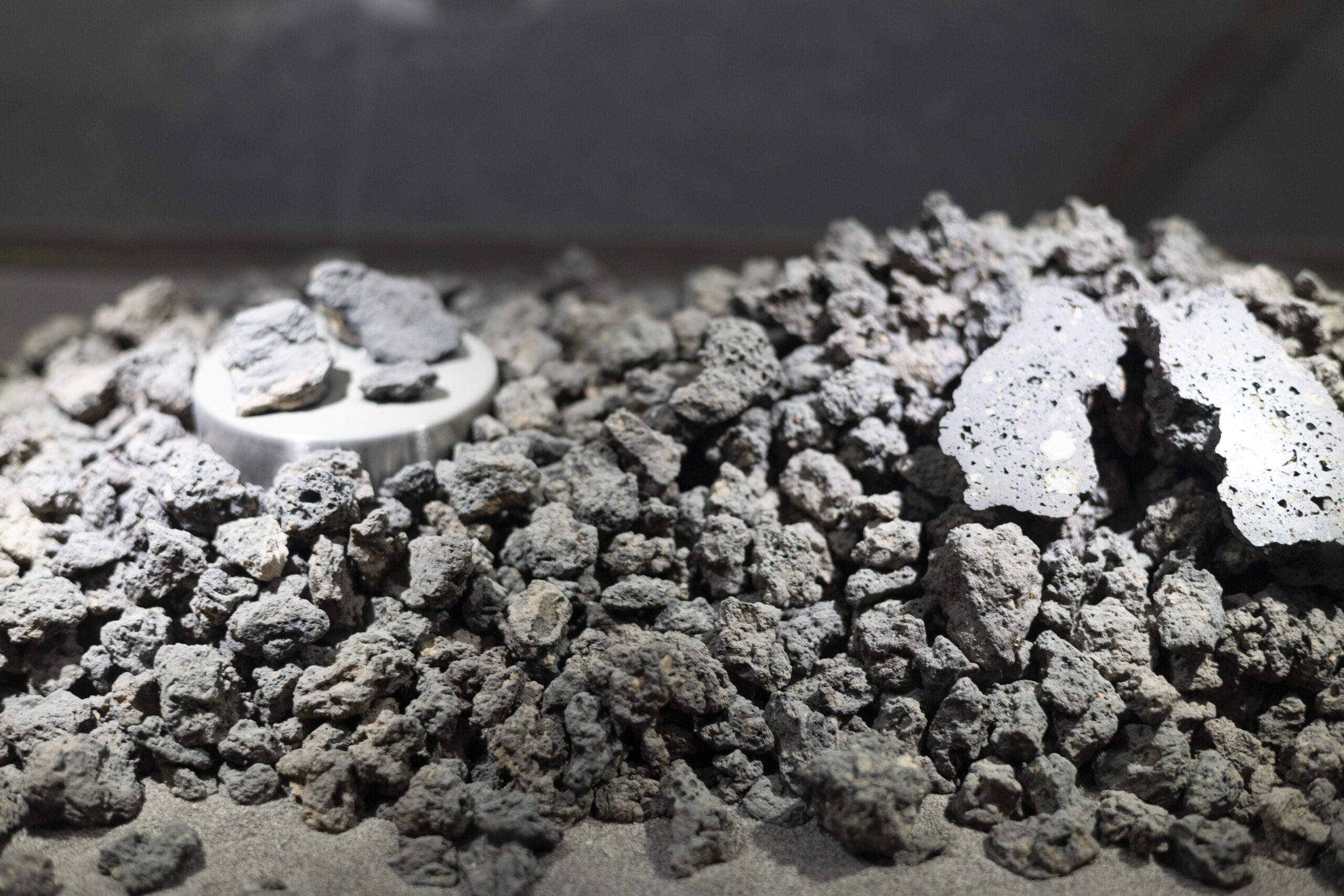
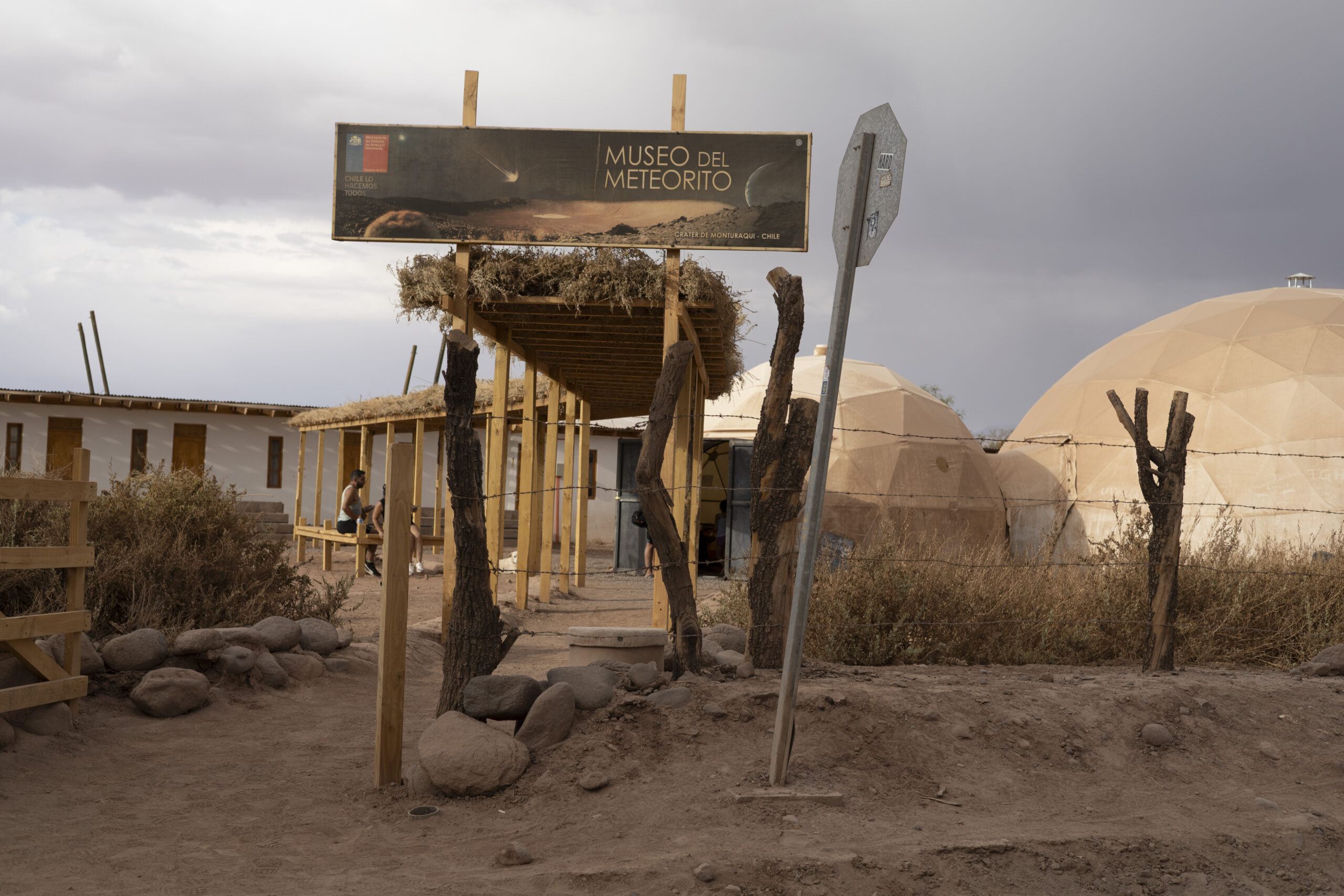
The day after my unforgettable stargazing experience, I visited one of the most fascinating attractions in San Pedro de Atacama: the Meteorite Museum.
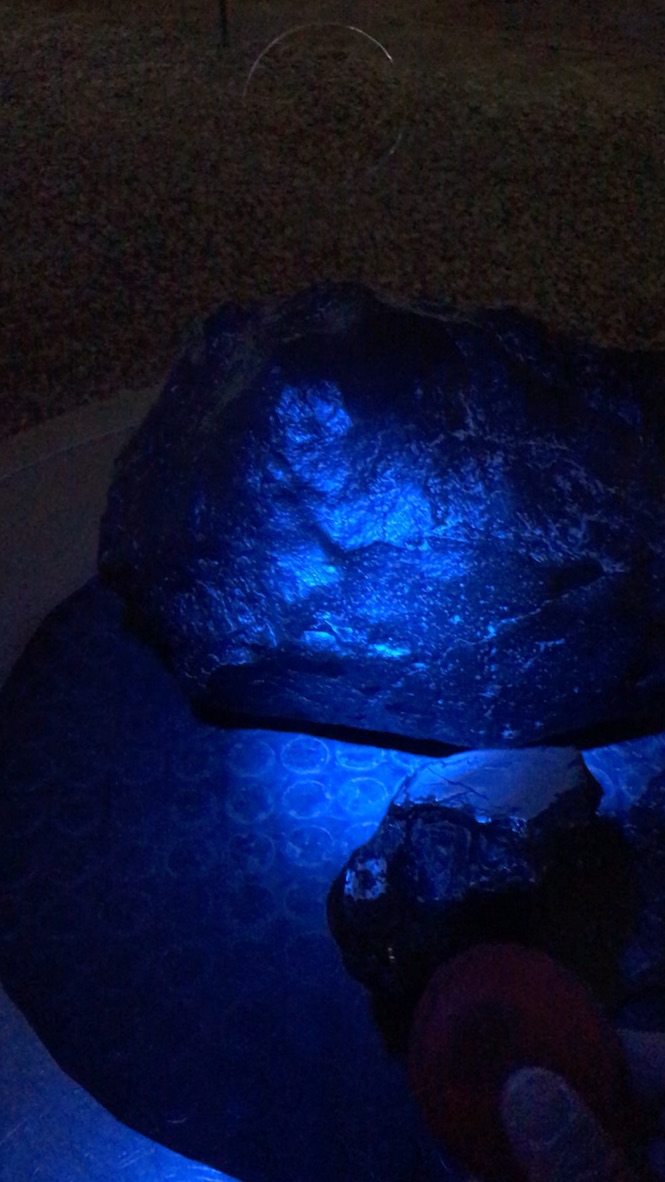
What made this museum especially memorable was the opportunity to see and touch real meteorites—rocks that had traveled through space for millions, and in some cases billions, of years before landing on Earth. Some exhibits included powerful magnets that demonstrated the iron content of the meteorites, offering a hands-on reminder that these were genuine fragments of the cosmos.
For children—and for adults who still carry a sense of wonder—the Atacama Desert feels like a dreamland. Between meteorites, world-class observatories, and some of the clearest skies on Earth, it is easy to imagine how this extraordinary region could inspire future astronomers, astrophysicists, engineers, and astronauts.
NASA Artemis, UFOs, and the Human Need to Wonder
My visit to the Kennedy Space Center Visitor Complex near Orlando gave me a deeper appreciation for meteorites, asteroids, and National Aeronautics and Space Administration’s planetary defense efforts. Through exhibits, demonstrations, and videos, I learned how NASA monitors near-Earth objects and develops strategies to detect and potentially deflect asteroids that could threaten our planet.
Later, in the Atacama Desert, holding real meteorites in my hands made what I had learned at NASA feel tangible and deeply personal.
Standing beneath the Milky Way in one of the darkest places on Earth also reminded me of the excitement I felt when I traveled to Florida to witness preparations for Artemis I.
In that moment, everything seemed to come together: meteorites that connect us physically to the cosmos, NASA’s Artemis missions that represent humanity’s drive to explore, public discussions about unexplained aerial phenomena (UAPs), and my own lifelong curiosity about what lies beyond our planet.
Whether through science, travel, or personal experiences that defy easy explanation, humans continue to look upward in search of understanding, meaning, and wonder.
The Psychology of Awe
Psychologists describe awe as the emotional response we experience when encountering something so vast and extraordinary that it challenges our usual way of understanding the world.
According to research by Dacher Keltner, awe can have profound psychological benefits, including:
- Reducing stress
- Increasing feelings of connection with others and the natural world
- Expanding perspective
- Promoting humility
- Enhancing overall well-being
Greater Good Science Center at UC Berkeley
Stargazing in the Atacama Desert was one of the clearest examples of awe I have ever experienced. Standing beneath the Milky Way, I felt both incredibly small and deeply connected to something far greater than myself. In that moment, everyday concerns seemed less overwhelming, replaced by a profound sense of wonder and perspective.
Practical Tips for Stargazing in the Atacama Desert
If stargazing in the Atacama is on your bucket list, here are a few lessons I learned from my experience:
- Visit during the new moon for the darkest skies.
- Book SpaceObs Star Tours well in advance.
- Stay several nights in San Pedro de Atacama in case clouds interfere with your plans.
- Learn the basics of astrophotography before your trip.
- Bring warm clothing, as desert nights can be surprisingly cold.
- Allow time to acclimate to the altitude.
- Download and back up your photos immediately.
Final Reflections
Stargazing in the Atacama Desert was far more than a bucket-list activity.
It became a journey into science, mystery, and psychological reflection.
From touching meteorites and revisiting what I had learned about NASA’s planetary defense efforts, to contemplating unexplained sightings and witnessing the Milky Way with my own eyes, the experience reminded me that curiosity is one of humanity’s most powerful qualities.
Our desire to explore, question, and seek meaning connects us across cultures and generations.
Sometimes, the most transformative journeys begin when we simply look up.











0 Comments