Crested Butte, Colorado Wildflower Trip: A Solo Traveler’s Experience Without a Car
Crested Butte, Colorado: Beautiful, Expensive, and Unforgettable
I visited Crested Butte, Colorado in July 2025, just a few days after the Wildflower Festival. I wanted to avoid the crowds, and as a solo traveler, I often enjoy nature most when I can hike alone, surrounded by quiet scenery with almost no one around.
Earlier that year, I met a couple from Colorado while I was on a tour from London. They told me that wildflower season in Crested Butte can be “hit or miss” because the blooming season is difficult to predict exactly. That made the trip feel a little uncertain, but also exciting.
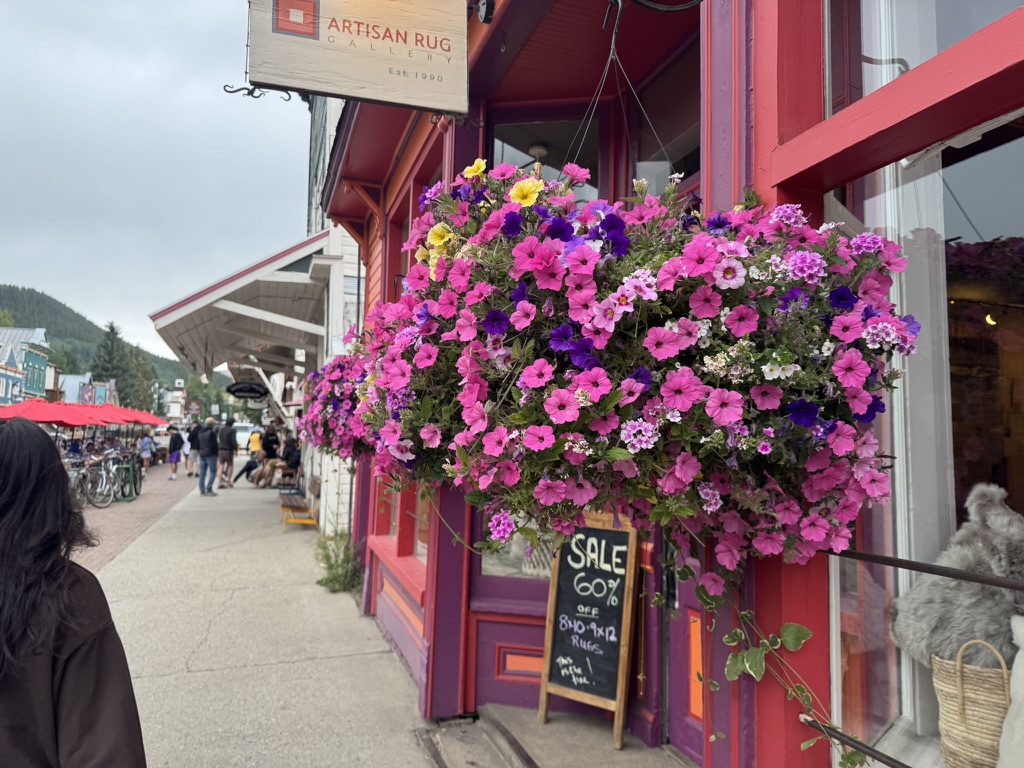
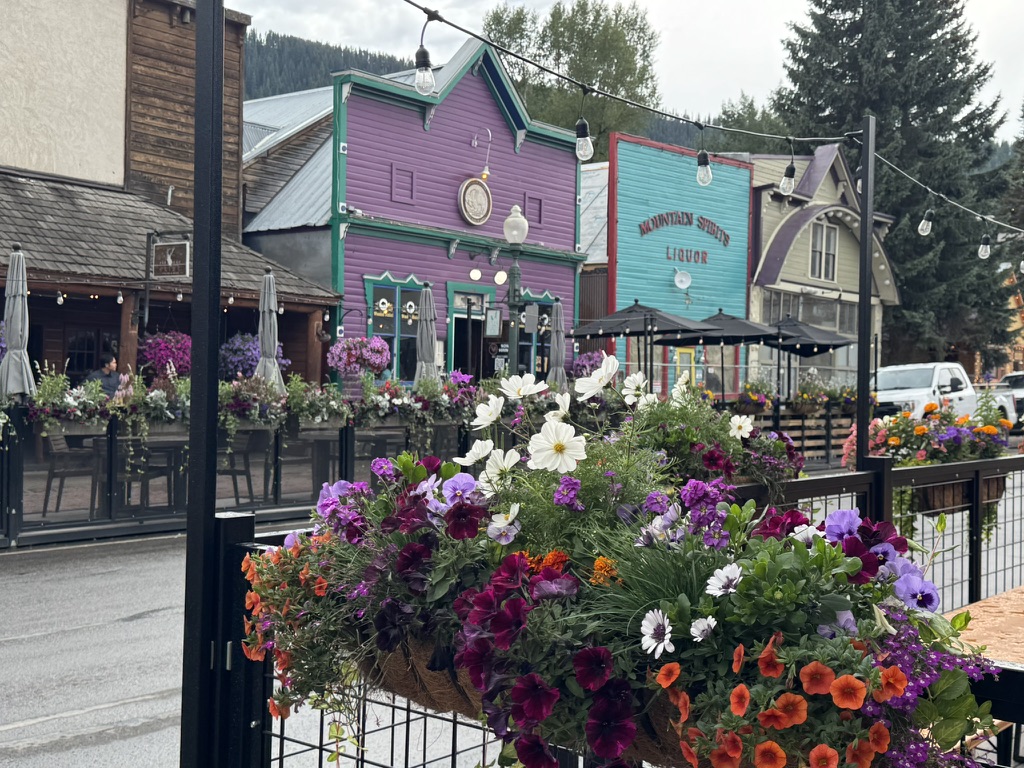
Crested Butte is known as one of Colorado’s most beautiful wildflower destinations. After seeing the town, I understood why. The flowers around town were colorful, carefully arranged, and surprisingly charming. I had visited flower-famous places in Europe, including Holland, but I did not expect an American mountain town to decorate flowers so beautifully.
At the same time, this became one of my most expensive trips in the United States, especially as a solo traveler who does not drive.
Accommodation was extremely expensive. Supermarket food felt more expensive than New York City. Restaurant meals often seemed 150–200% higher than what I might pay in NYC, sometimes for the same or even lower quality. The rice balls and leftover fruit I brought from my fridge helped me more than I expected.
Still, Crested Butte gave me something I value deeply: quiet time in nature, mountain views, unexpected kindness, and a few lessons about courage.
Is Crested Butte Good for Solo Travelers Without a Car?
Crested Butte is possible to visit without a car, but it is not always easy.
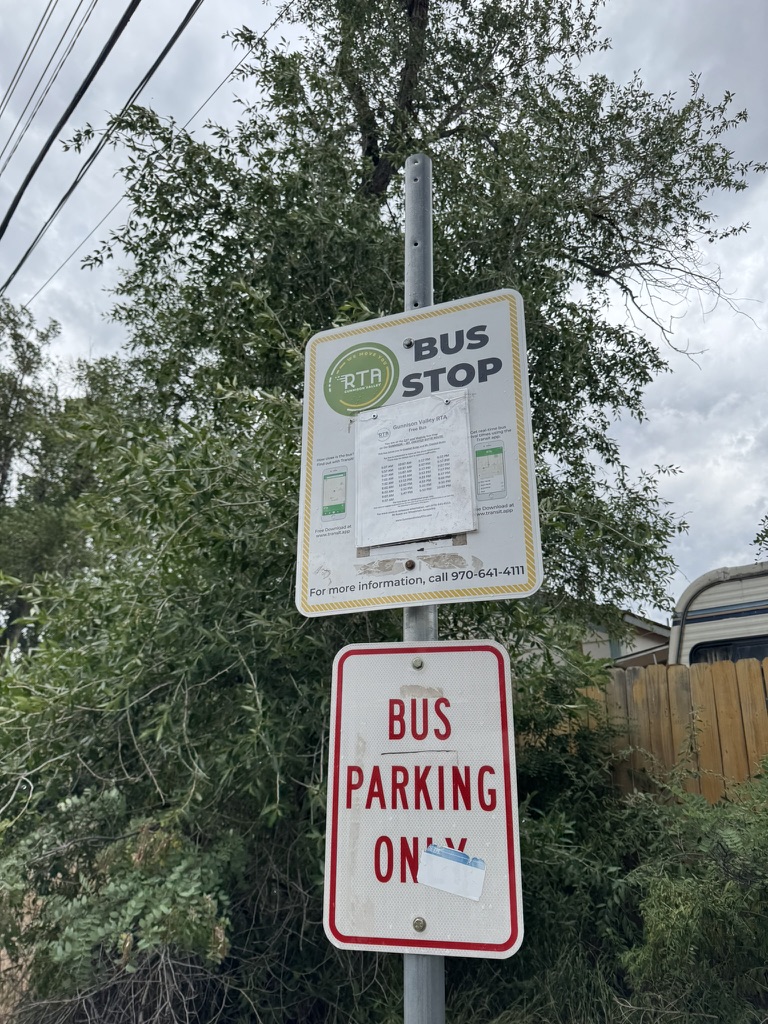
The town has a free local bus system, and even the taxi service I used was free because it was covered by taxes. Tips were recommended, and I was grateful for that system. For someone like me, who does not drive, this made a big difference.
However, some hiking trails are still difficult to reach without a car. The bus does not take you directly to every trailhead, and cell phone service can be weak. Because of that, I had to depend on local people, transit staff, and taxi drivers more than I expected.
That became part of the trip: not only seeing nature, but also learning how much transportation shapes the solo travel experience.
Day 1: Arrival in Gunnison and Crested Butte
I arrived in Gunnison via Denver in the afternoon and took a free shuttle offered by the city to Crested Butte.
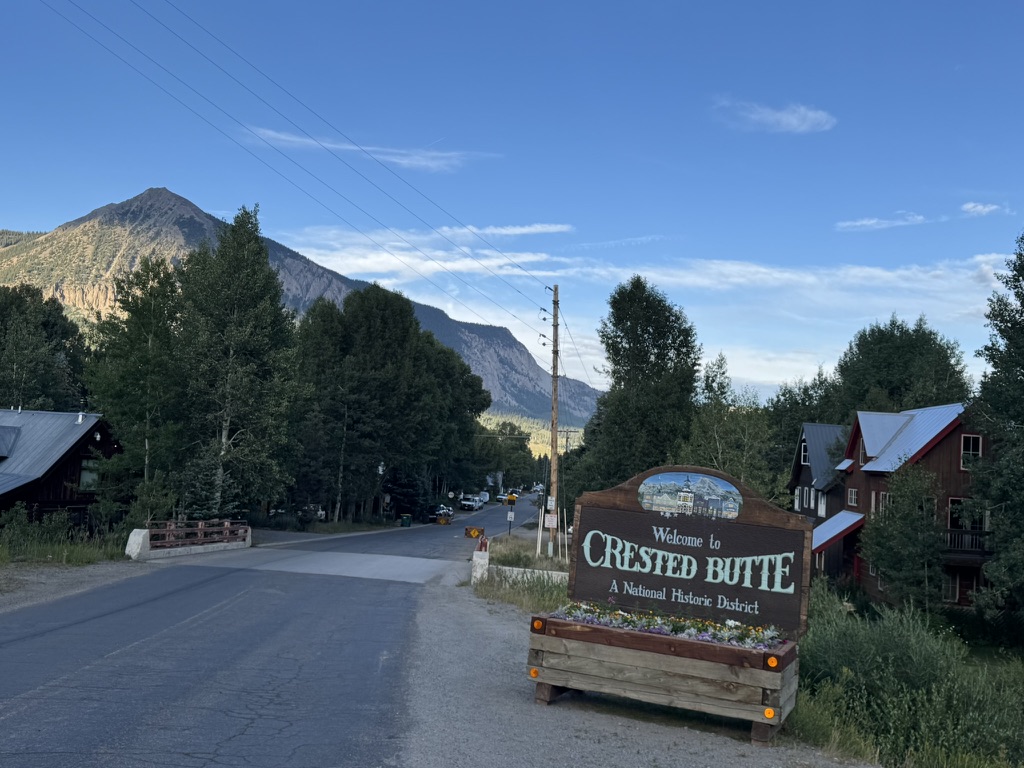
After checking in, I explored the town. Crested Butte immediately felt different from New York. The air was clear, the pace was slower, and the mountain-town atmosphere felt peaceful. The colorful flowers, wooden buildings, and surrounding mountains made the town feel almost like a postcard.
It was beautiful, but I could already tell that traveling here alone without a car would require planning, patience, and flexibility.
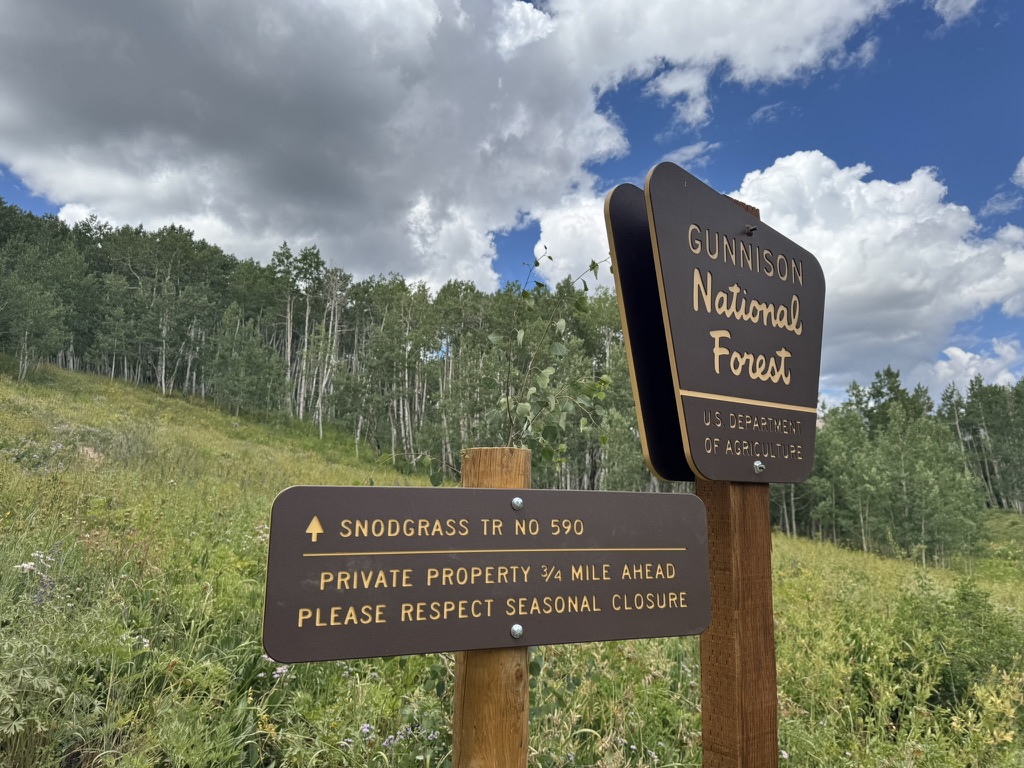
Day 2: Hiking Snodgrass Trail Alone
The next morning, I took the bus to Mountaineer Square Transit Center. I thought the bus would take me directly to Snodgrass Trailhead, but it did not.
Because my cell phone network was weak, people at the bus and transit center helped arrange a free taxi for me. I was very grateful. Without their help, I might have been stuck or unsure what to do.
In the taxi, I started to feel dizzy from the high altitude. New York City is basically at sea level, and suddenly I was in the Colorado mountains. But I pushed myself.
I arrived at Snodgrass Trail around 8:30 a.m. No one was there.
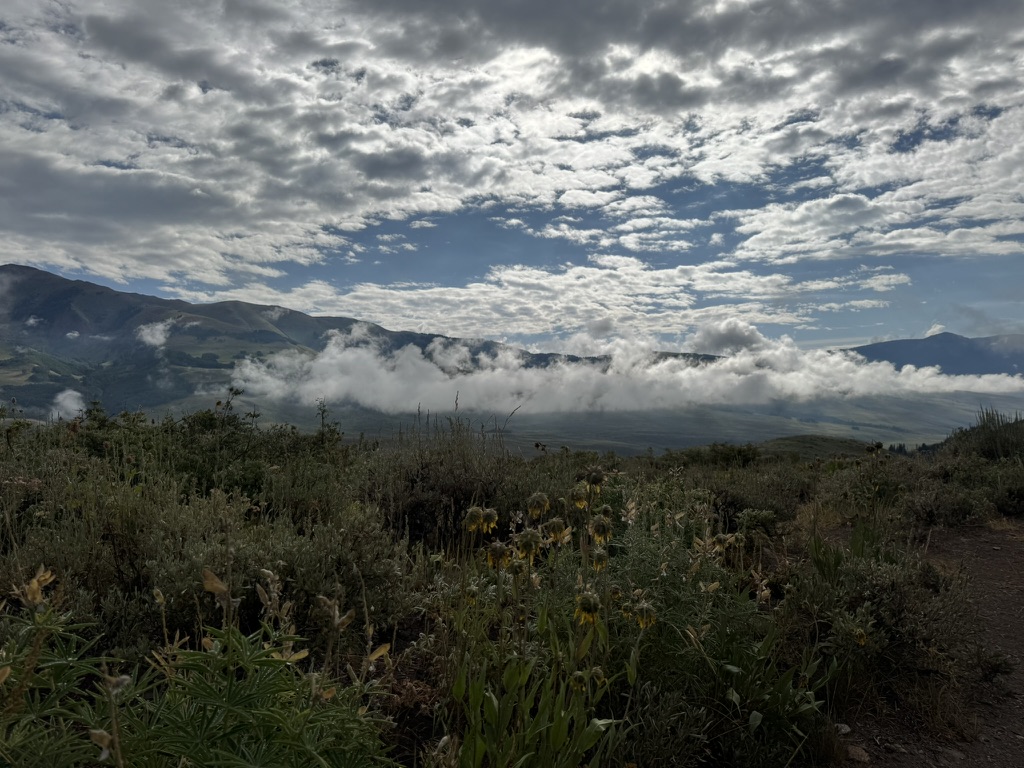
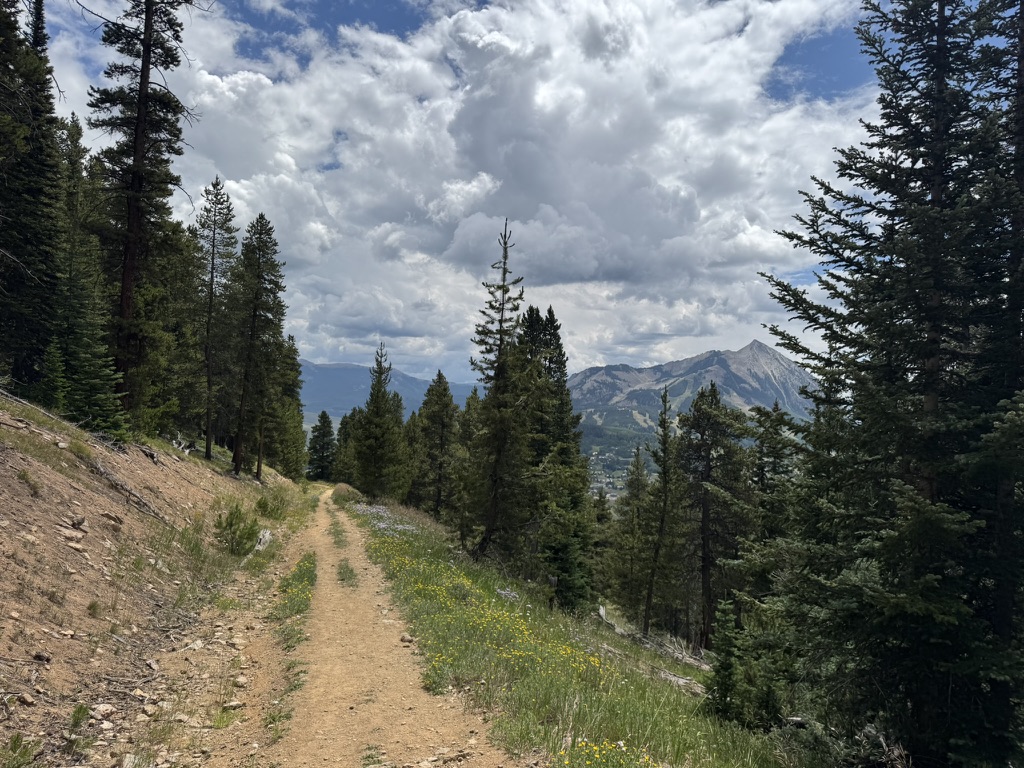
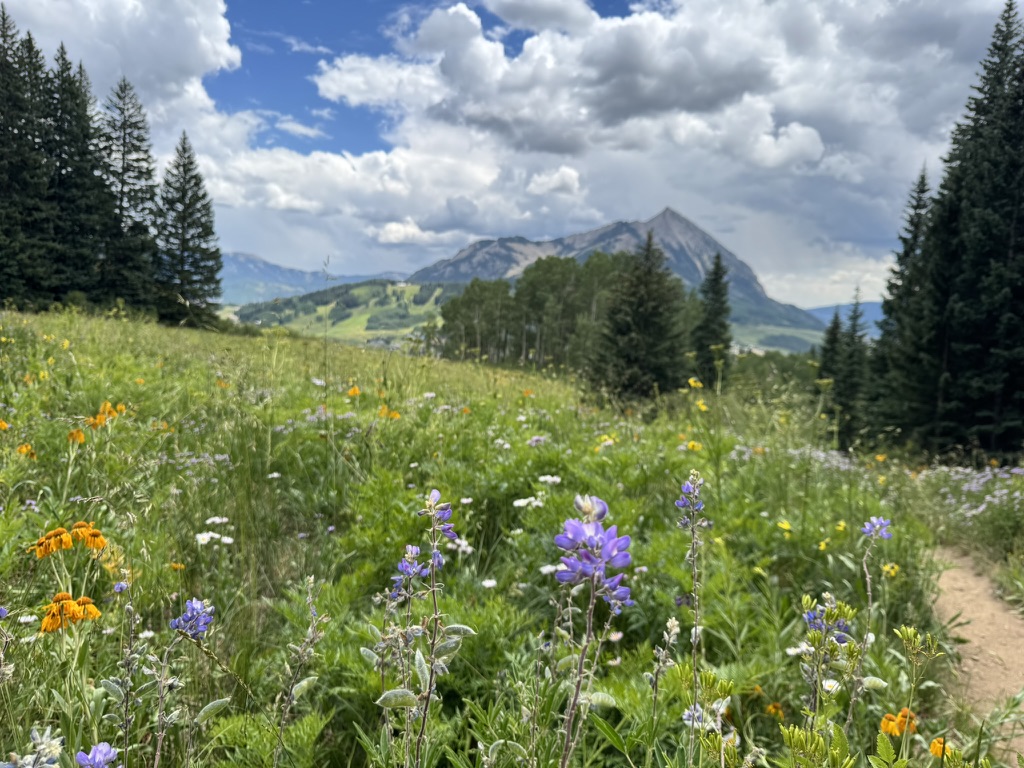
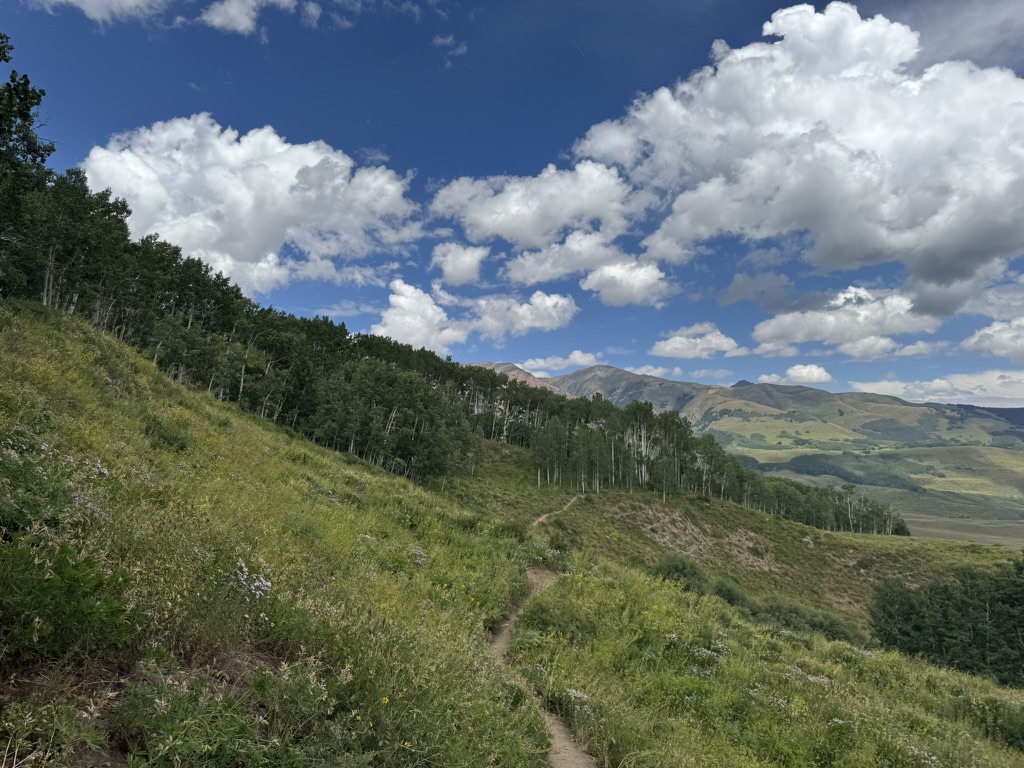
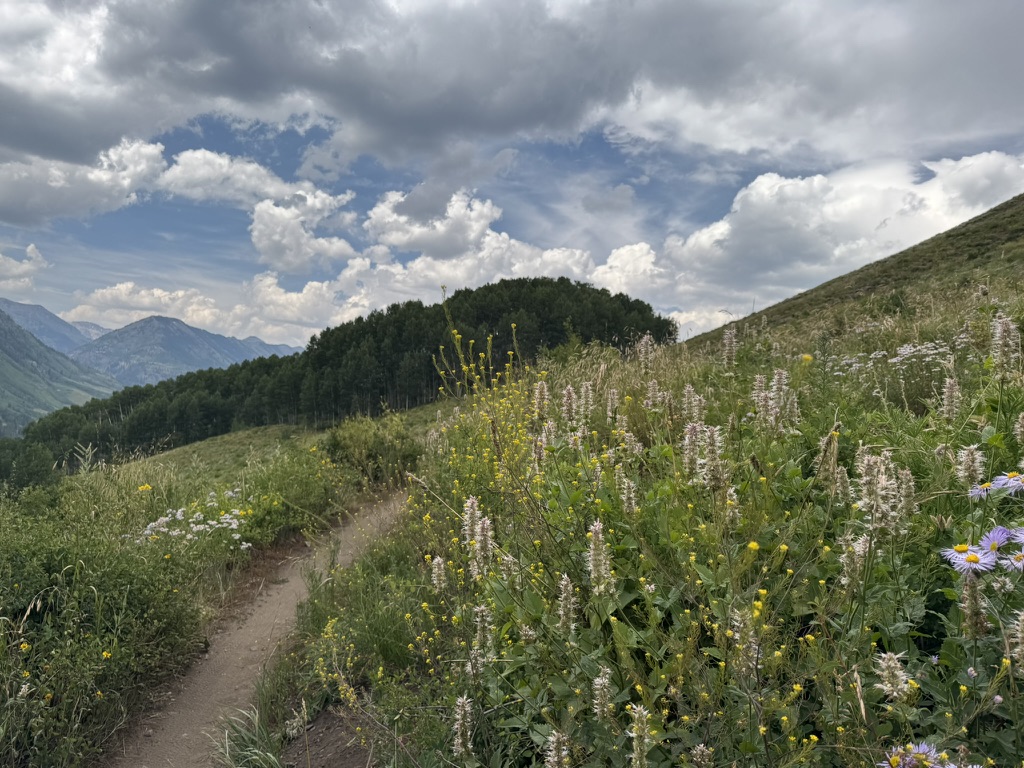
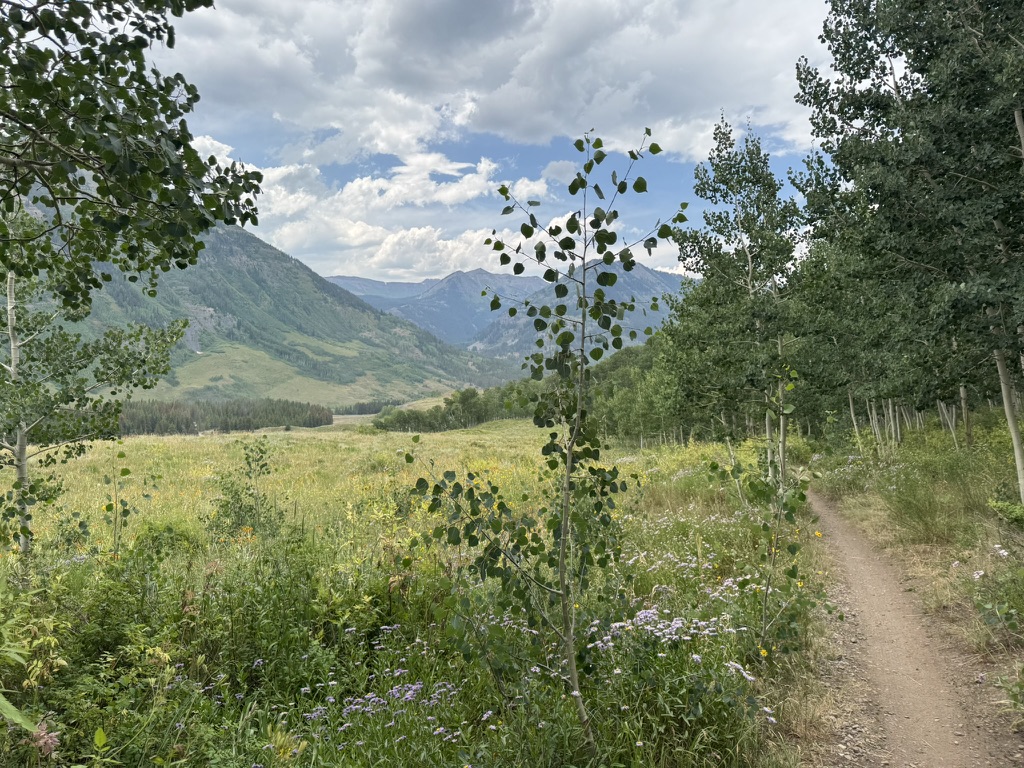
That quiet beginning was exactly what I had hoped for. The hike was peaceful, spacious, and beautiful. Most of the time, I was alone. I saw only a few people during the hike.
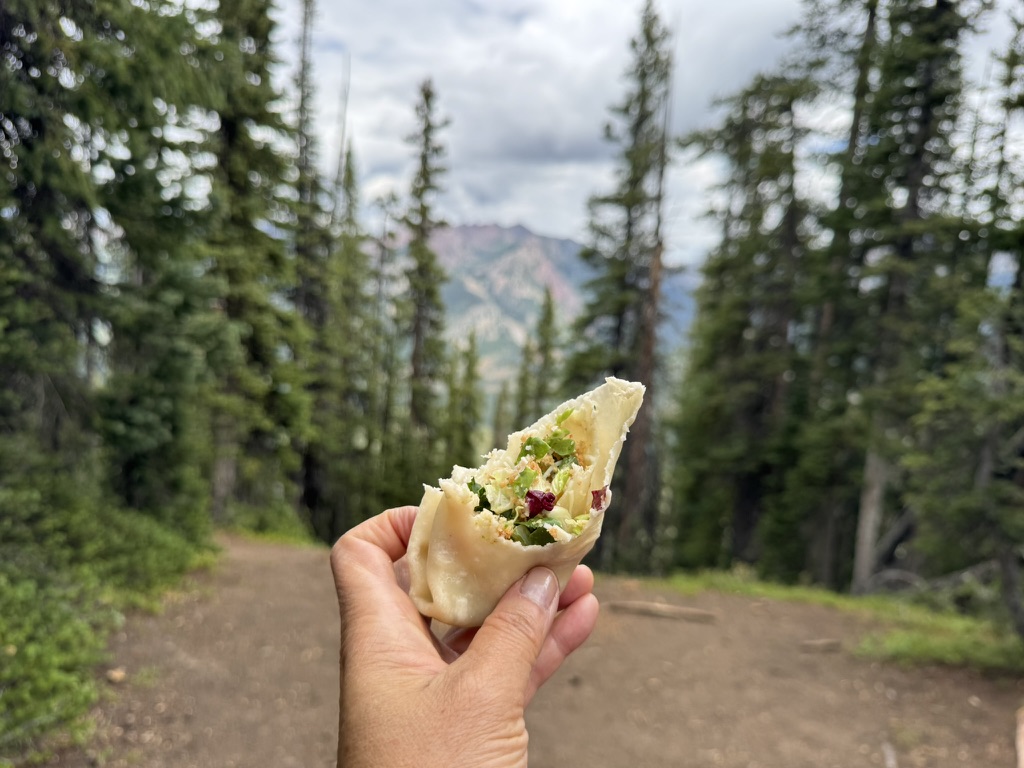
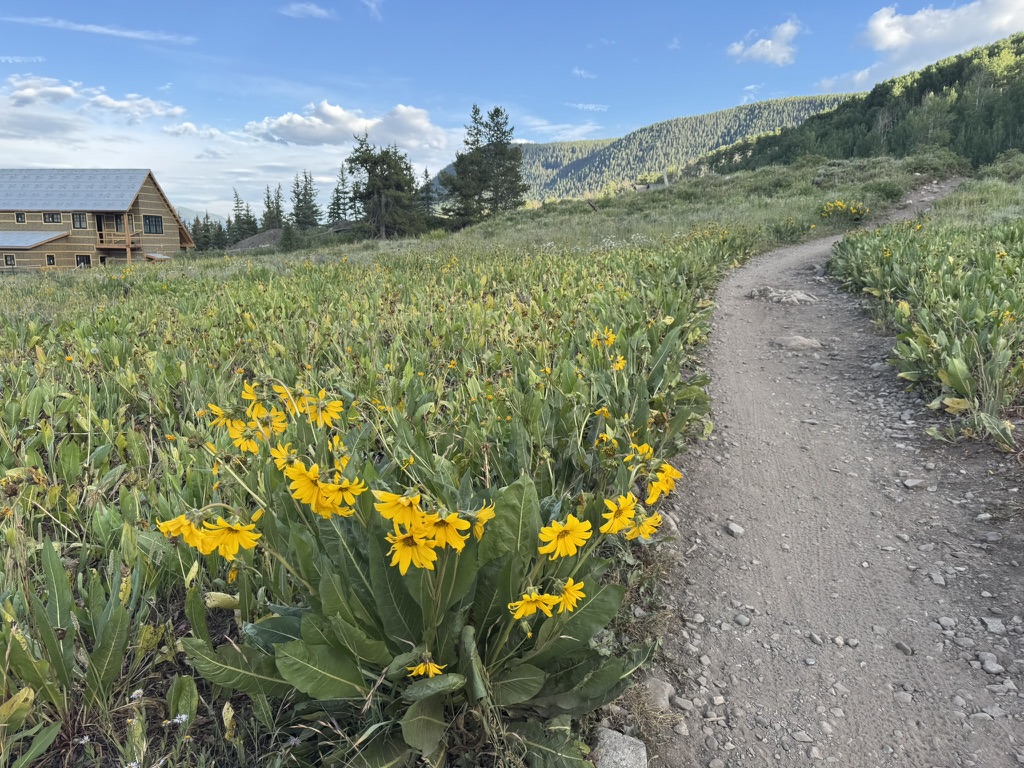
The peak blooming season may have already passed, but there were still beautiful patches of daisies and other wildflowers. My lunch was simple: a salad pack from the supermarket and a gluten-free wrap. In a place like that, even simple food felt special.
By the time I returned to the trailhead around 2:30 p.m., the scenery had become one of the most memorable parts of the trip.
I had to use the taxi app again, and the same driver came back. He told me he was the only driver assigned for the day. We also picked up one local person along the way. When I tried to tip the driver, he refused, but I insisted. He was kind, and I wanted to show my appreciation.
That day reminded me that solo travel does not always mean doing everything alone. Sometimes, you are alone in nature, but supported by small acts of kindness from strangers.
Biking Around Crested Butte
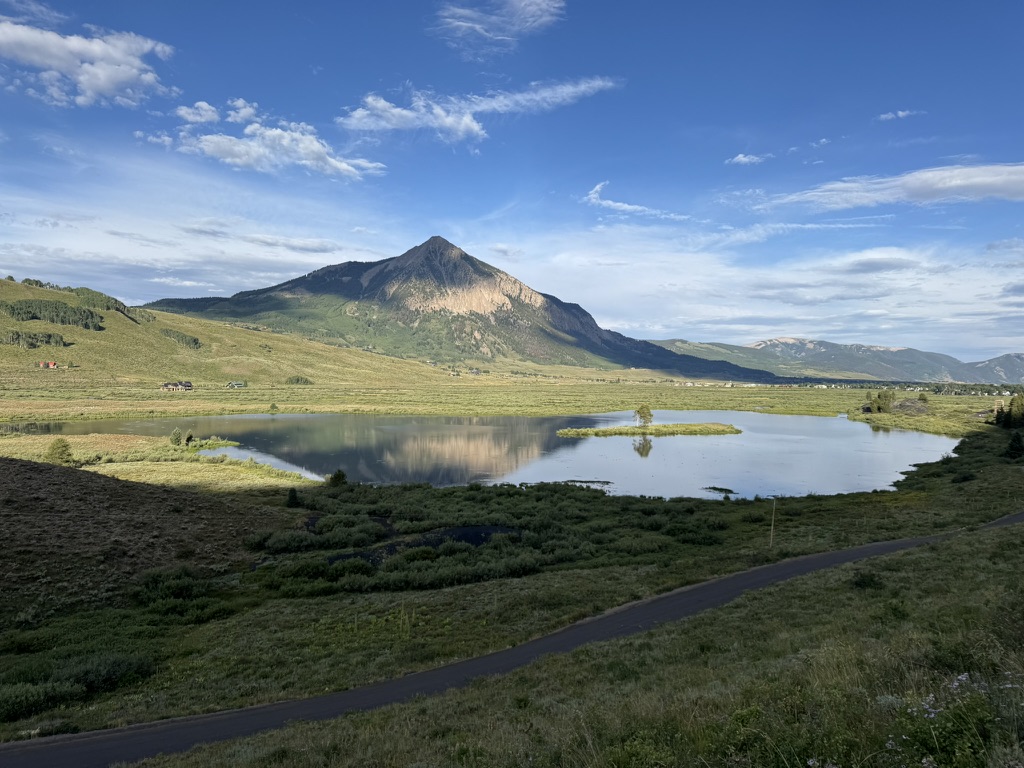
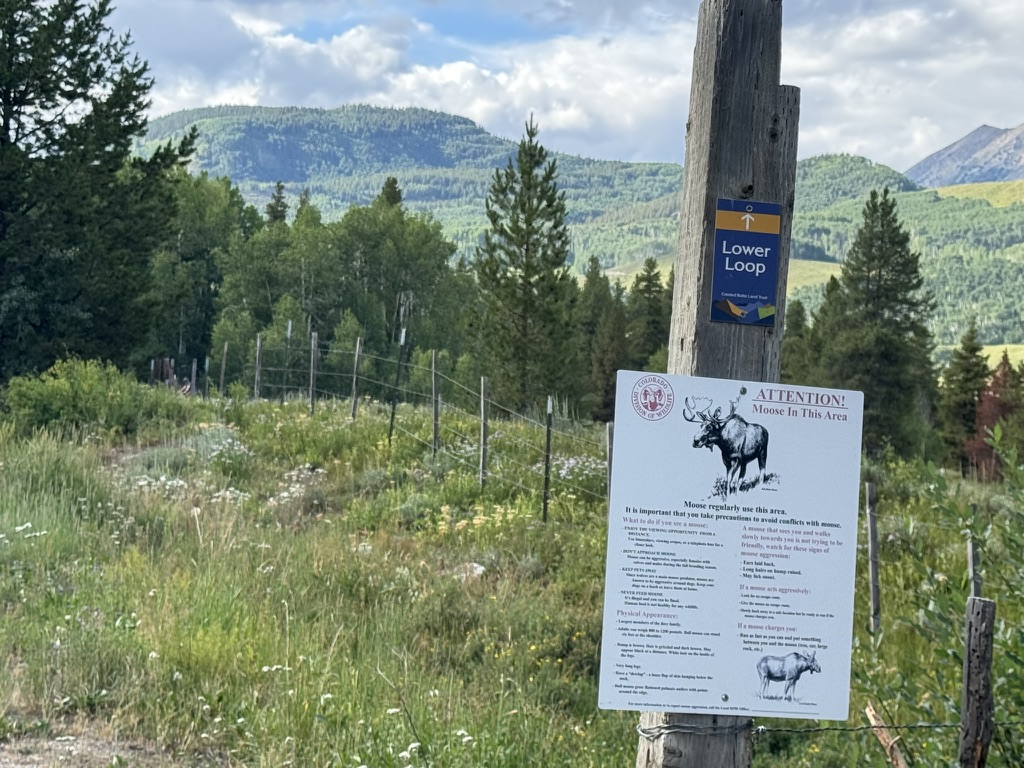
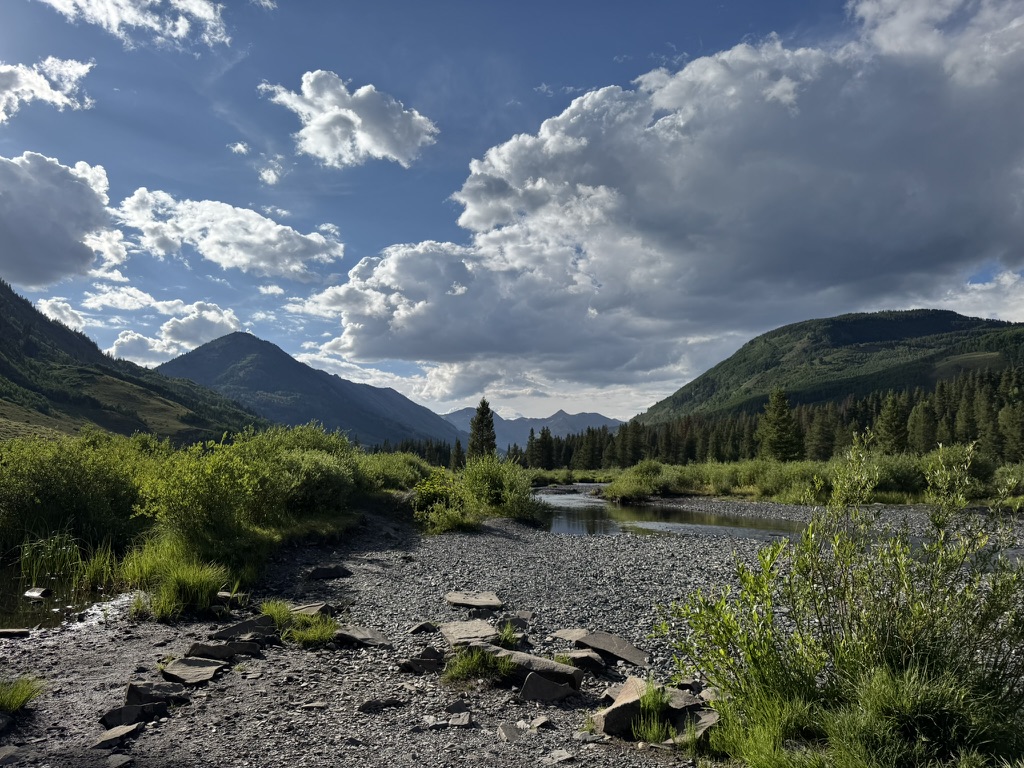
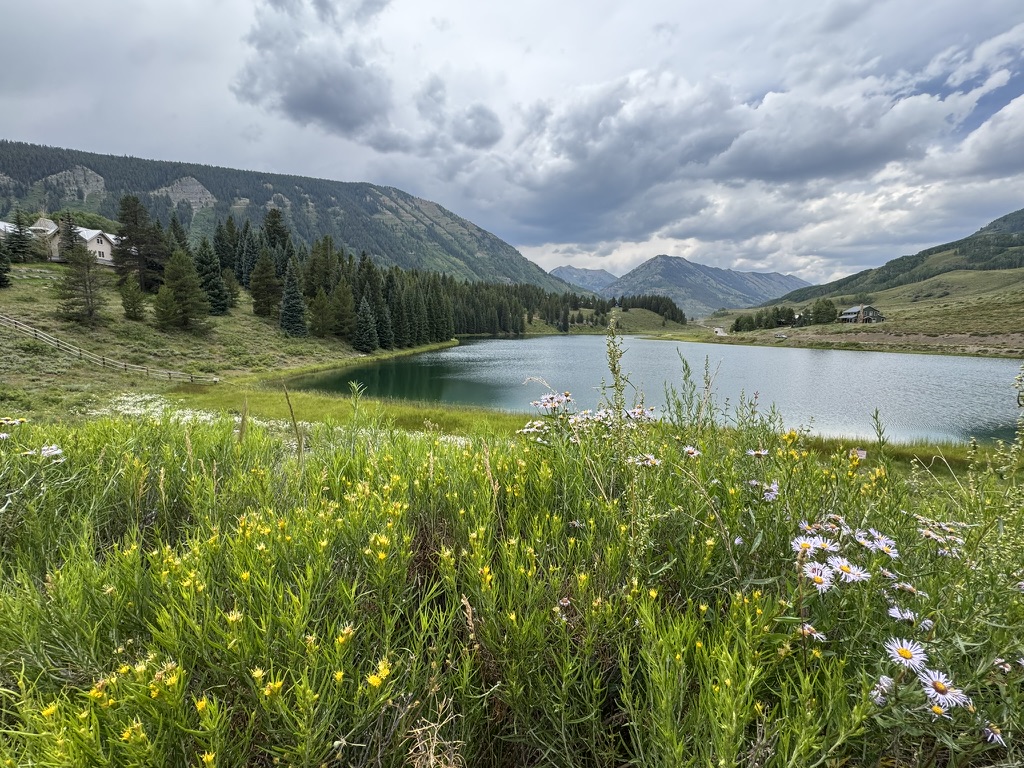
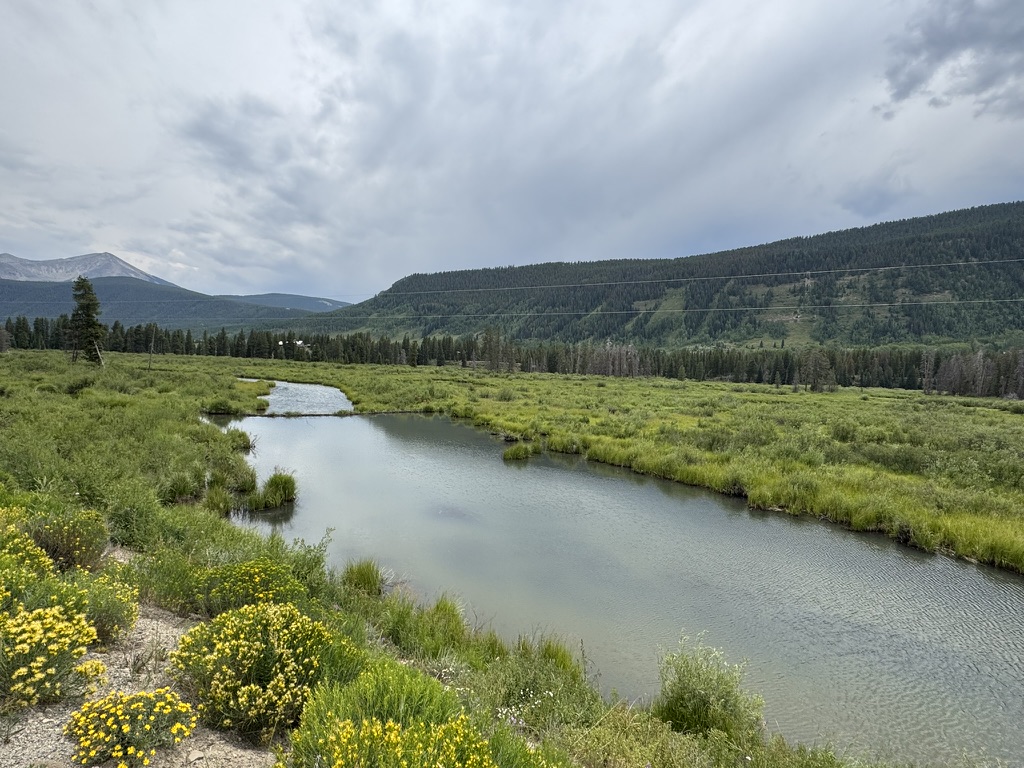
Later that day, I rented a bike for two days. I rode to Peanut Lake, Lower Loop, and Trapper’s Crossing.
Biking gave me a different view of Crested Butte. The town is small, but the surrounding area opens up into trails, fields, and mountain scenery. It felt freeing, but also slightly intimidating because I was still learning the area.
In the evening, I had Thai food next to the hotel. The restaurant owner seemed happy to have good business throughout the year, not only during the summer but also during the winter ski season.
That was another reminder that Crested Butte is not just a summer wildflower town. It is also a ski town, an outdoor town, and a place where tourism shapes daily life.
Day 3: Getting Lost Near Lupine Trail
The next day, I checked the bus schedule to Denver. There were only two buses a day, which reminded me again how limited transportation can be in mountain towns.
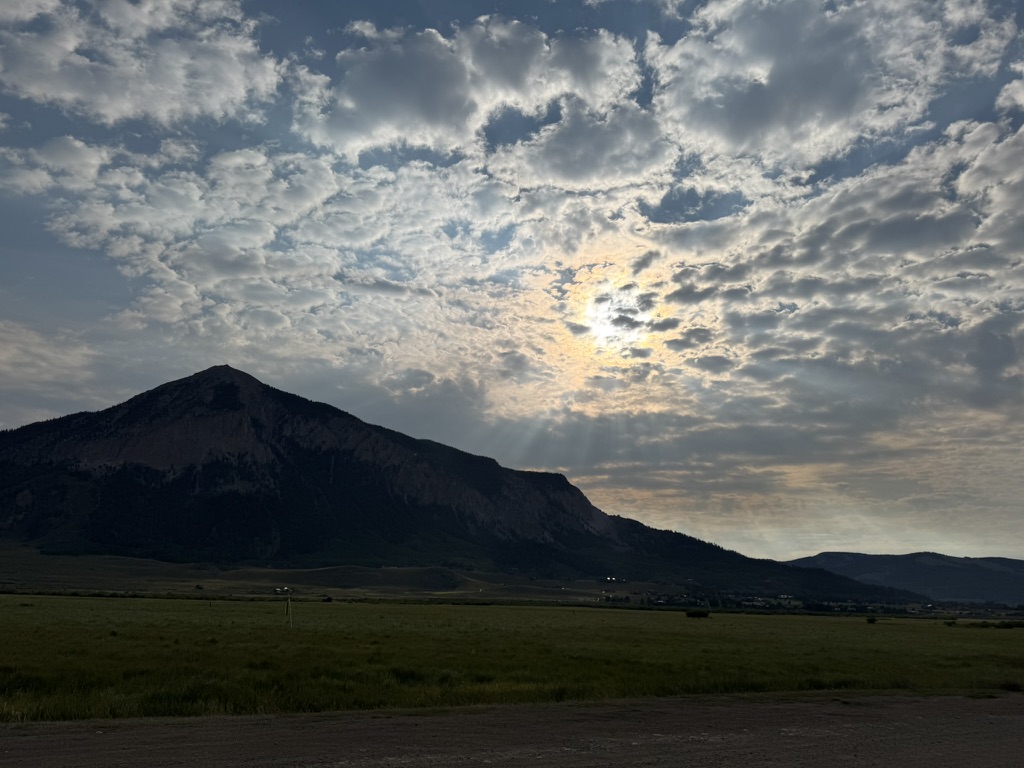
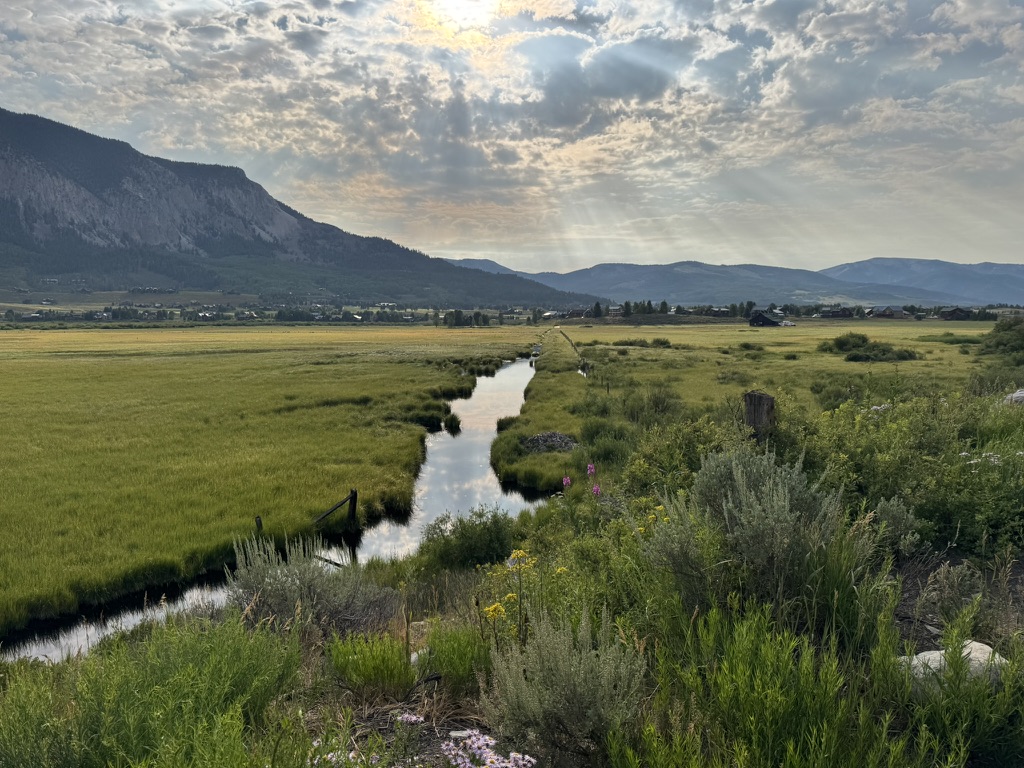
I started with a short ride toward New Deli Trail. While biking, I could see local life, houses, open roads, and the quieter side of Crested Butte. The scenery reminded me a little of the countryside around Pokhara, Nepal. Serious cyclists passed me, and I wondered where they were going because I could not see trails extending that far.
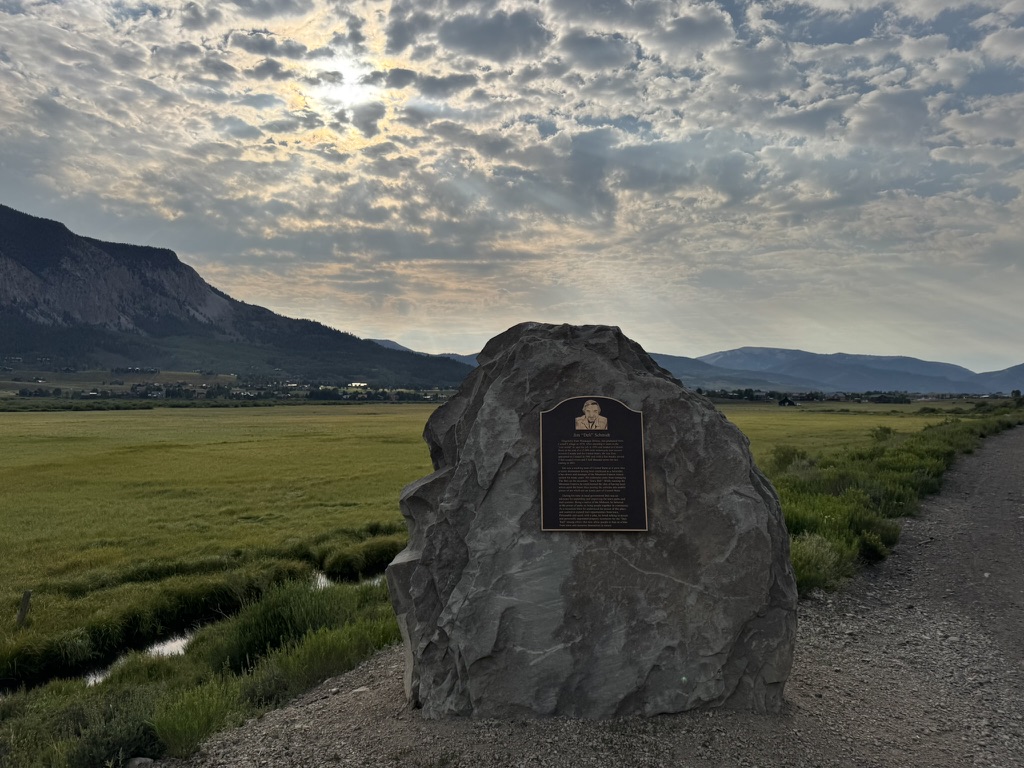
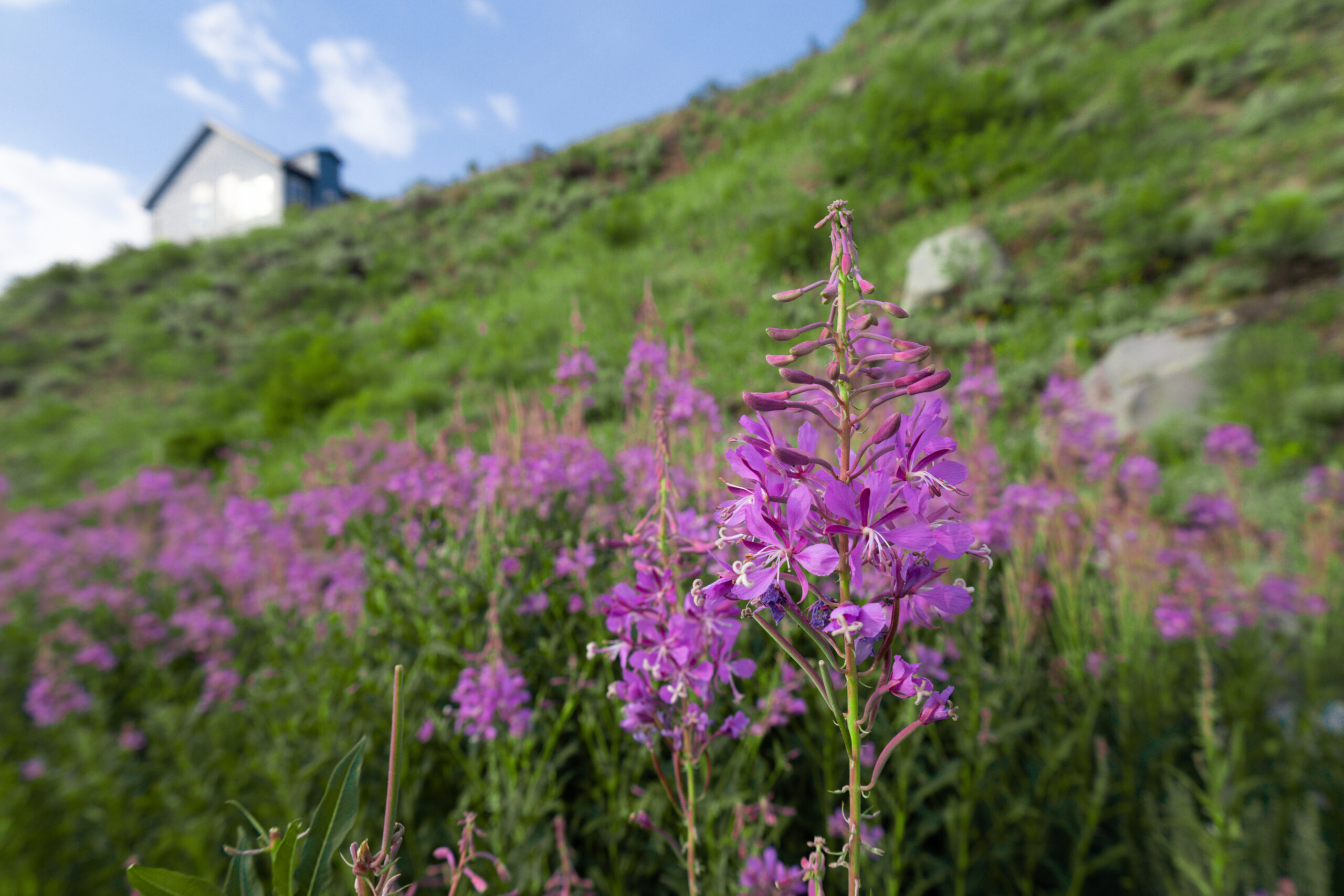
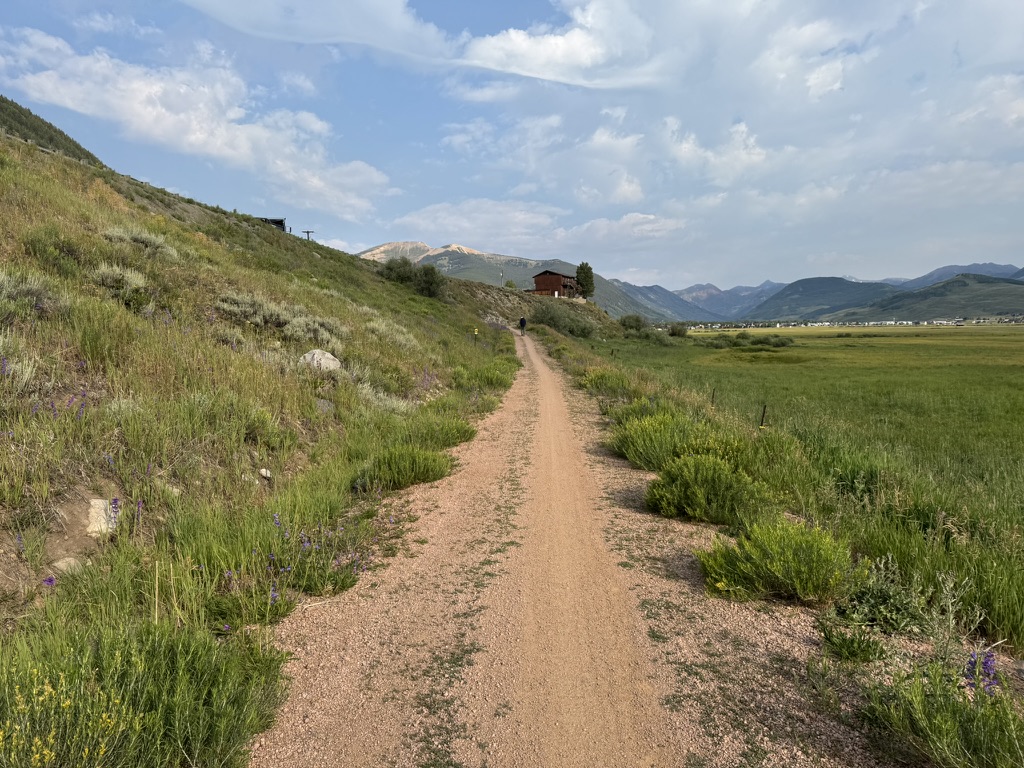
Later, I tried to reach Lupine Trail 1. I saw some cyclists and followed them for a while. Some people with e-bikes passed me easily. There were many ups and downs, but some parts were paved and well-maintained. I enjoyed the views without even stopping to take photos.
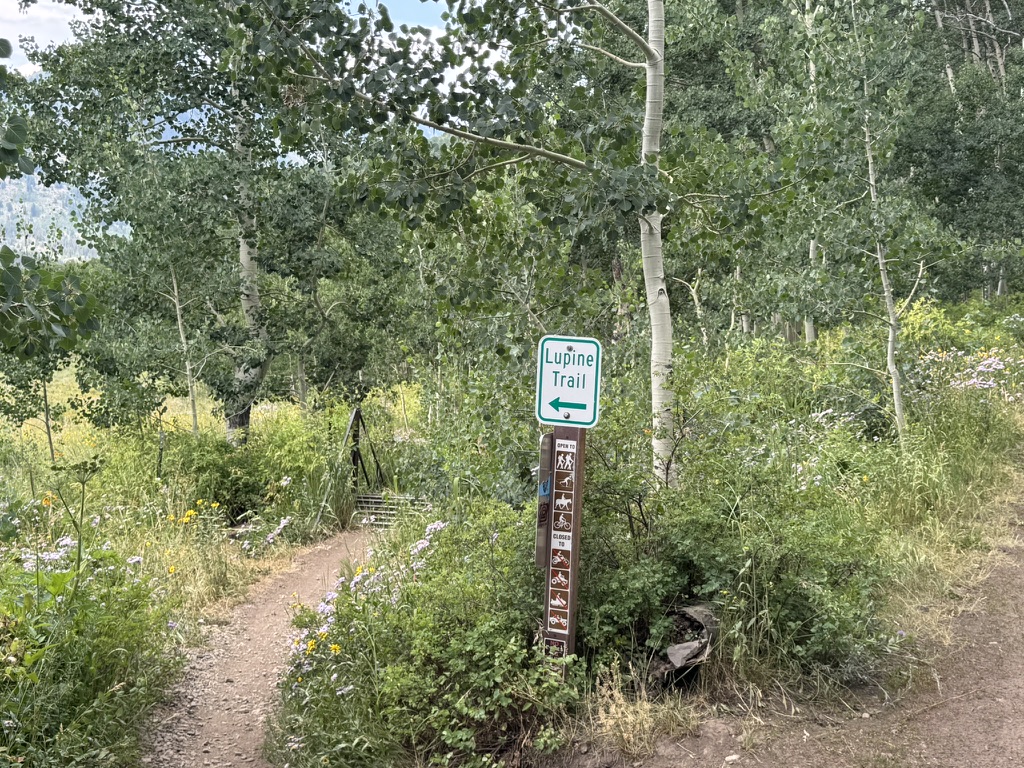
Eventually, I realized I had returned to the same transit center I had visited the day before. That meant I had missed the sign for Lupine Trail, or maybe the sign was not clear enough.
I went back to the hotel, and a woman working there kindly offered to drive me to the trailhead in her own car. I was grateful, although she seemed a little concerned. Lupine Trail 1 and 2 are singletrack trails, and I only had a hybrid bike, not a proper mountain bike. The map was not very clear for a beginner, and the signs were easy to miss.
She told me to take the lower-level road shared with cars and warned me that rain would come in about three hours, so I needed to return on time. She dropped me off near the trailhead, although it was not as close as I had expected.
At that point, I felt both grateful and nervous.
Falling on Lupine Trail and Earning a “Badge of Courage”
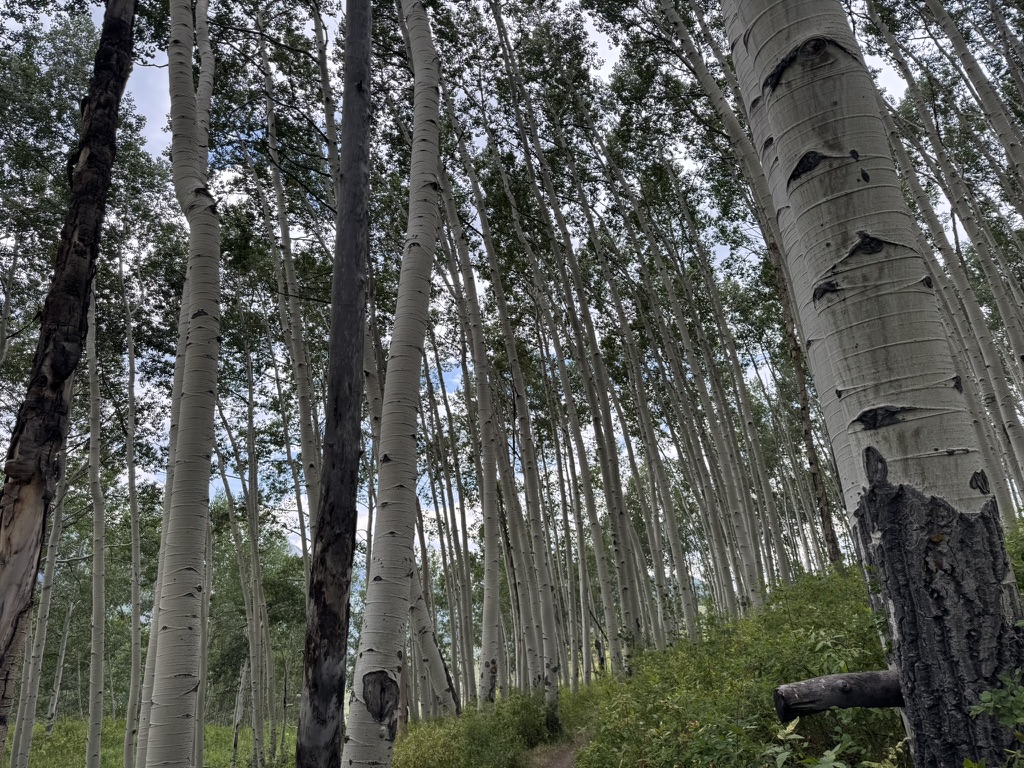
At the very beginning of the trail, I fell badly from the bike.
It happened near the entrance, around a steel bump. The handlebars felt extremely loose and sensitive compared with the regular bike I use in New York City. Since it was my first time using this type of bike, I assumed it was supposed to feel that way. I lost my balance and fell hard to the ground.
I hit my whole body, especially my right side. My leg and elbow were bleeding. It took me some time to get up, not only because of the physical pain but also because of the emotional shock.
After that, I put away the camera I had been carrying and focused only on biking safely. I did not want to fall again on the mountain.
Soon after, I saw a young man coming from the opposite direction. We greeted each other, and I asked him about the trail condition and direction. I told him I had already fallen.
He said:
“That’s okay. You earned a badge of courage.”
His words suddenly lifted my spirit.
It was such a simple sentence, but it gave me strength in that moment. I felt less embarrassed, less afraid, and more willing to continue. Sometimes, a stranger’s words become part of the journey.
That sentence stayed with me more than I expected.
The Emotional Side of Solo Travel
When hiking alone on a clear and peaceful trail, solitude can feel almost divine. It can feel like freedom. It can feel like being fully present with yourself and the natural world.
But solo travel can also feel vulnerable.
When the signs are unclear, cell service is weak, transportation is limited, or the trail feels more difficult than expected, being alone can quickly become stressful.
Crested Butte gave me both sides of solo travel.
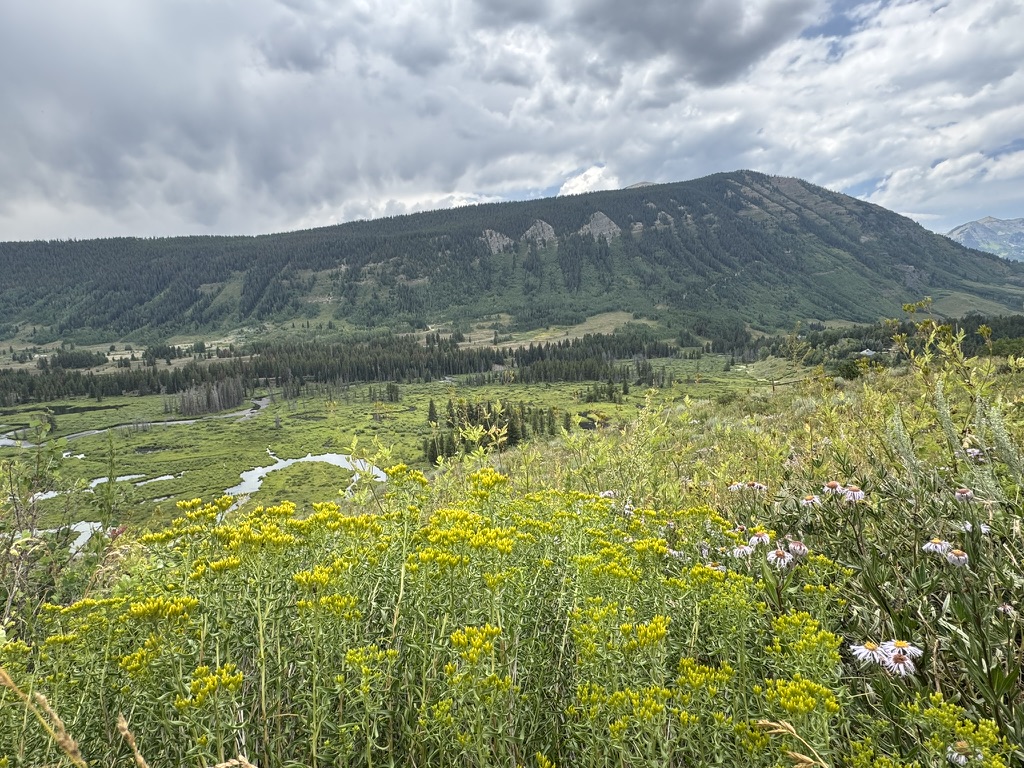
There was the beauty of hiking alone on Snodgrass Trail with almost no one around. There was also the anxiety of getting lost, falling from a bike, and wondering whether I had chosen a trail that was too difficult for me.
That contrast is part of why this trip stayed with me.
Solo travel is not only about independence. It is also about decision-making, self-trust, emotional regulation, and knowing when to keep going and when to be careful.
How Expensive Was Crested Butte?
Crested Butte was beautiful, but it was not budget-friendly.
As a solo traveler, accommodation was the biggest challenge. Since I was not sharing the cost with anyone, the hotel price felt especially high.
Food was also expensive. Supermarket prices felt higher than New York City, and restaurant meals were often much more expensive than I expected. I was glad I had brought rice balls and leftover fruit from home because they helped reduce my food costs.
For solo travelers, this is important. A place can be beautiful and still financially stressful. Crested Butte is not the kind of destination where you can easily “wing it” cheaply, especially during summer.
If I visited again, I would plan meals more carefully, bring more snacks, and research transportation and trail access ahead of time.
Practical Tips for Visiting Crested Butte Without a Car
If you are planning a solo trip to Crested Butte without a car, here are a few things I learned:
1. Check trail access before you go
Do not assume the bus goes directly to the trailhead. Some trails may require a taxi, bike, or long walk.
2. Download maps in advance
Cell phone service can be weak. Offline maps are important, especially if you are hiking or biking alone.
3. Start early
Morning is better for hiking, especially in summer. Afternoon weather can change quickly in the mountains.
4. Bring snacks or simple food
Food is expensive. Bringing some food from home or buying simple groceries can help.
5. Be realistic about biking trails
Not all trails are beginner-friendly. A hybrid bike is not the same as a mountain bike, especially on singletrack trails.
6. Respect the altitude
If you are coming from sea level, like New York City, the altitude can affect you. Take it seriously, drink water, and do not push too hard too quickly.
7. Accept help when needed
Solo travel does not mean refusing help. Sometimes, kindness from locals or strangers becomes one of the best memories of the trip.
What Crested Butte Taught Me
Crested Butte was not an easy trip, but it was unforgettable.
It was expensive. It was logistically challenging. It reminded me that beautiful nature can still require careful planning, especially for a solo traveler who does not drive.
But it also gave me moments I will remember for a long time: the quiet start of Snodgrass Trail, the patches of wildflowers, the kindness of people who helped me arrange transportation, the hotel staff member who drove me to the trailhead, and the young man who told me I had earned a badge of courage.
Travel does not always have to be perfect to be meaningful.
Sometimes, the most memorable trips are the ones that include discomfort, uncertainty, and small moments of encouragement.
Crested Butte gave me wildflowers, mountain air, physical bruises, emotional lessons, and one sentence I still carry with me:
“You earned a badge of courage.”
And maybe that is what solo travel often gives us — not just beautiful photos, but proof that we kept going.









0 Comments