Barbados After Loss: A Quiet Reset Between Big Waves and Small Realities
Why I Chose Barbados After My Father’s Passing
After my father’s passing, I didn’t want my usual kind of travel—the kind where I chase stimulation, inspiration, and “what’s next.” I wanted something calmer than my personality. A place where I could do almost nothing and not feel guilty about it.
I chose Barbados for practical reasons (a direct flight, manageable distance) and for something that felt emotionally reassuring: its reputation for repeat visitors. A place people return to usually means it’s easy to love. Mostly, I came for one simple ritual: a dip in the ocean—salt water as a reset button for grief, tiredness, and the heavy energy I couldn’t explain.
December in Barbados: Windy Ocean, Big Waves, and Learning to Float Anyway
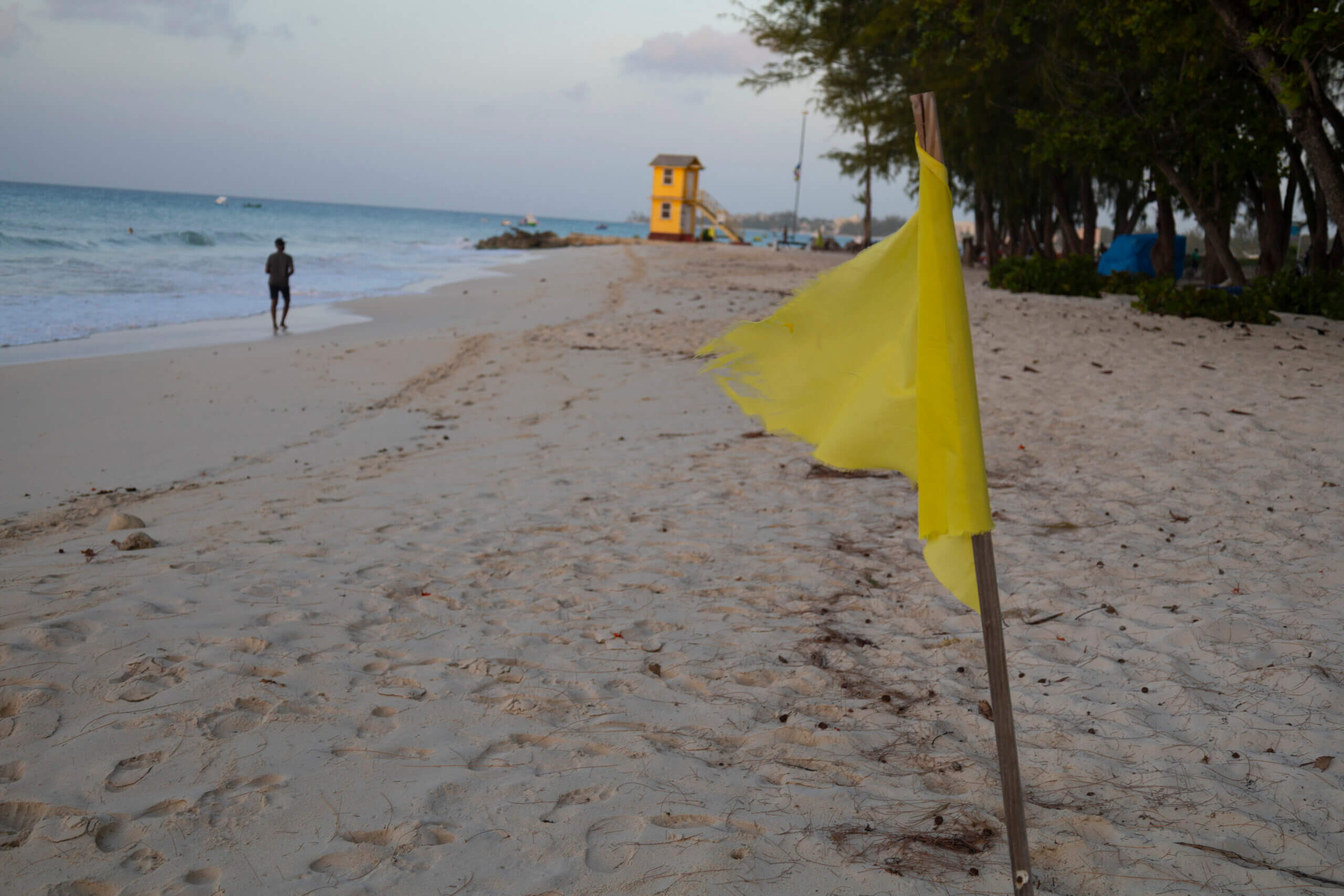
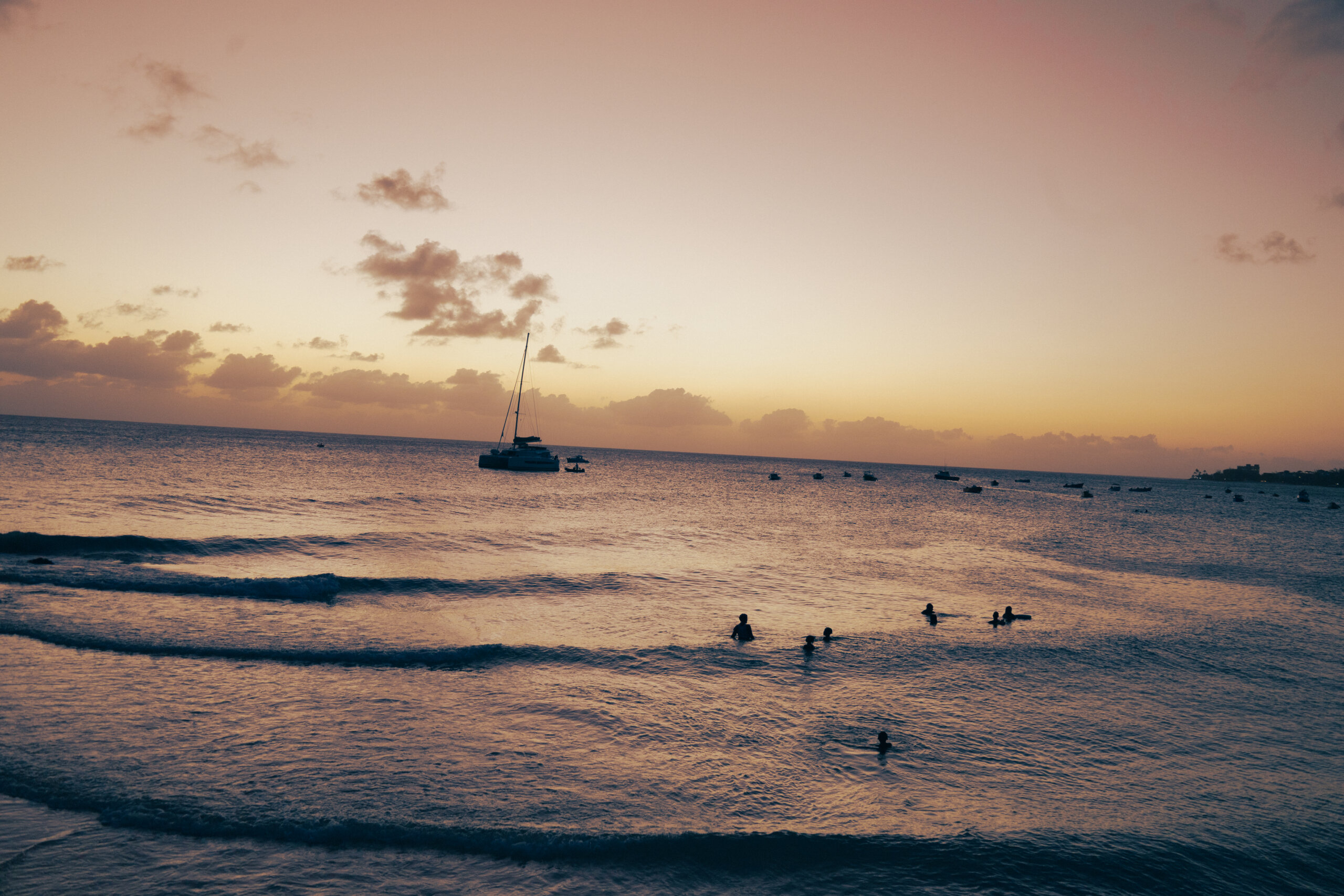
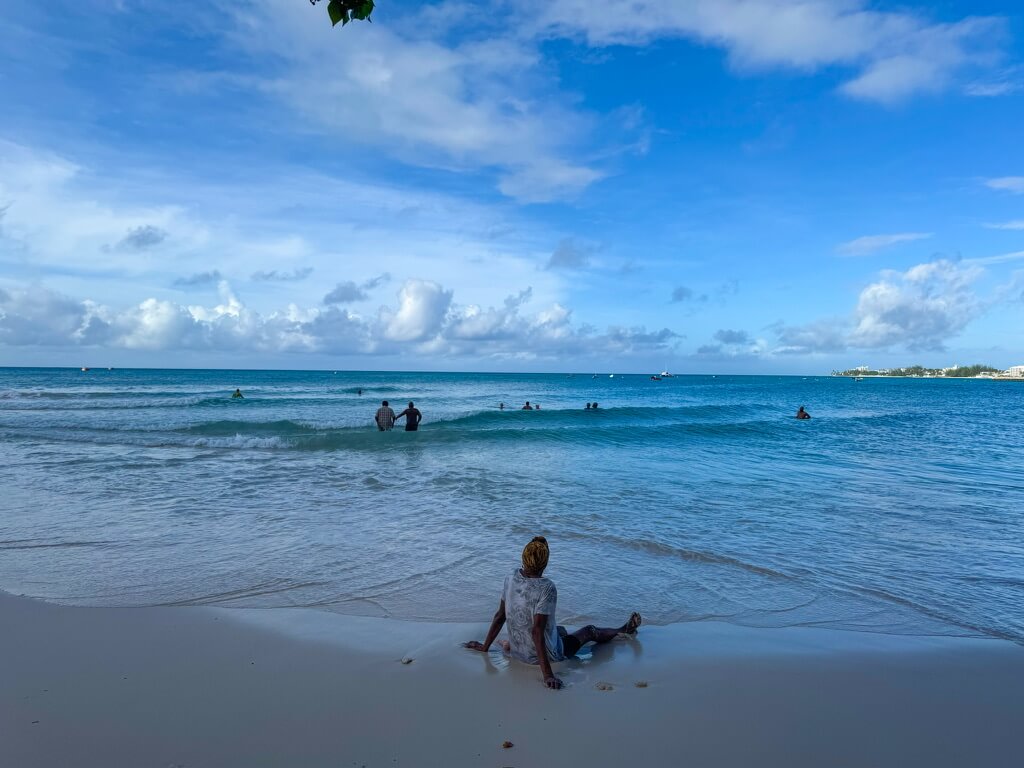
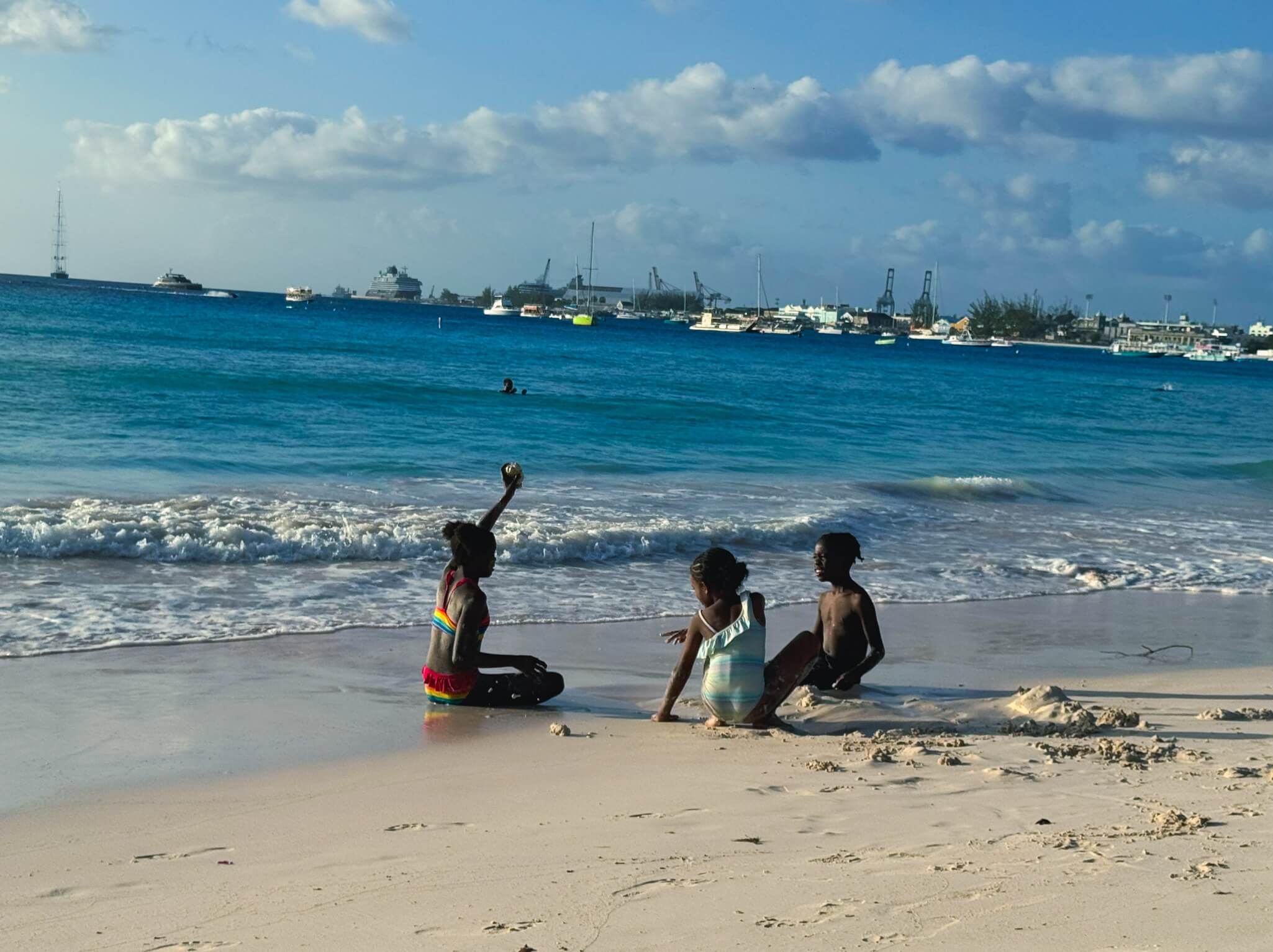
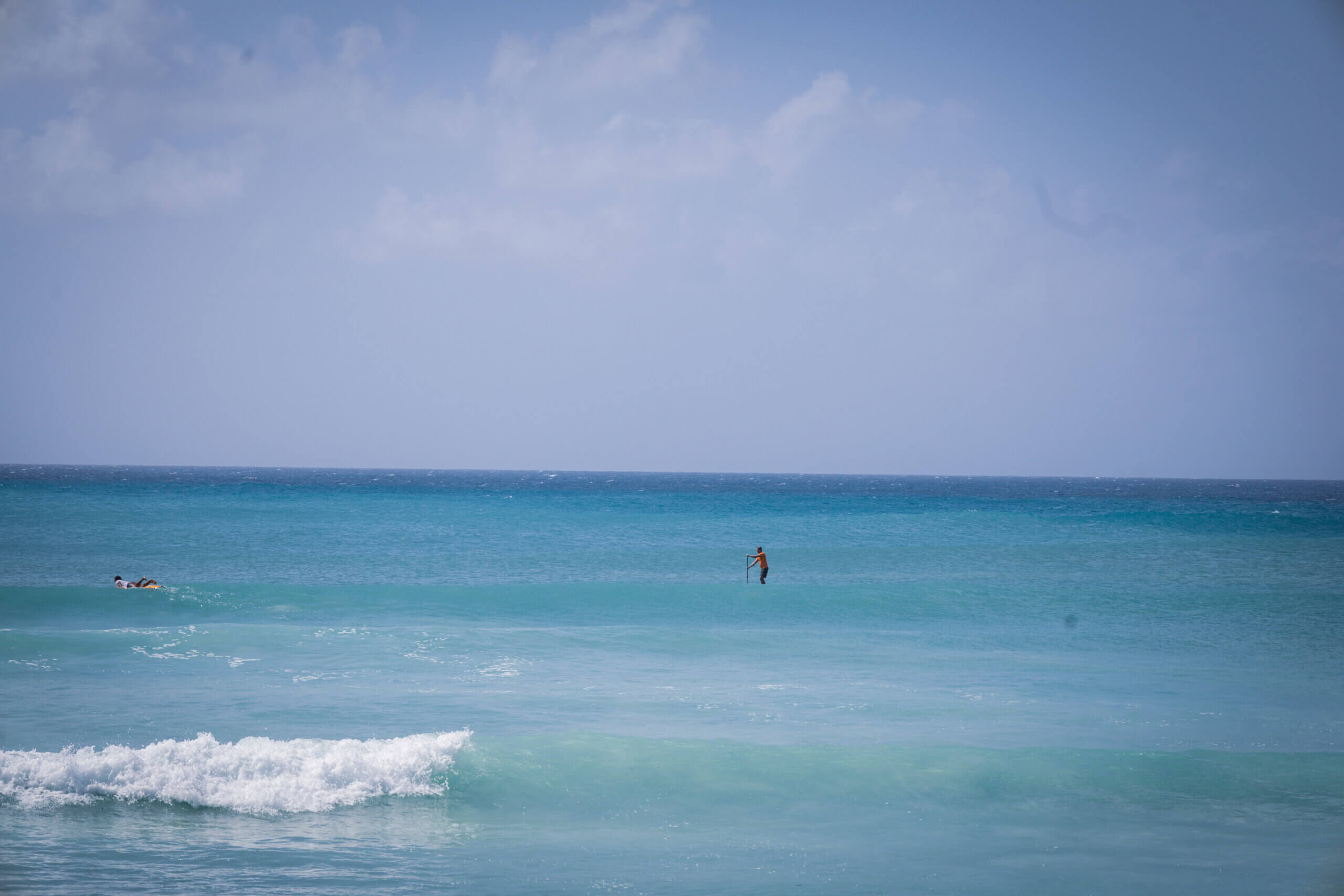
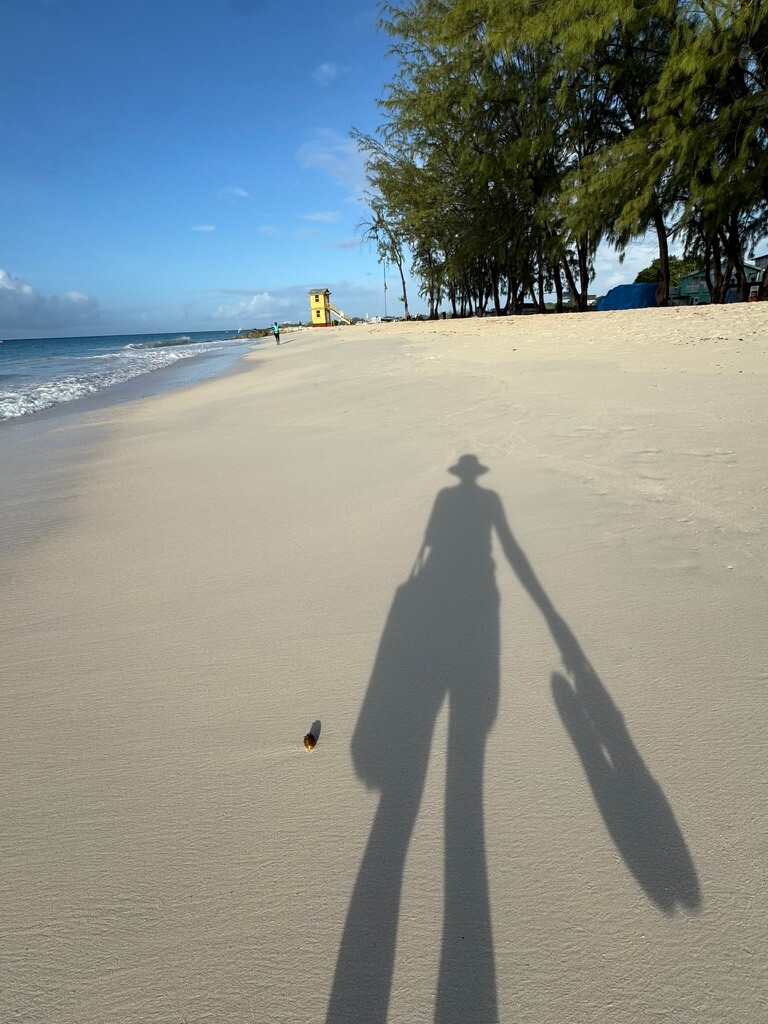
December didn’t give me the calm, clear water I expected. The wind kept arriving like it had an appointment, and the sea answered with big waves that didn’t apologize. Most days the water felt restless—loud, alive, refusing to become the smooth version people post online.
At first I felt disappointed, like the island wasn’t cooperating with my plan to be soothed. I still snorkeled, but the current was strong enough that schedules shifted around it.
Then near the end of the trip, something changed. I stopped fighting the ocean. I had a float—something I often bring—and I let the waves carry me the way they wanted to. The water didn’t become calm. I just became less rigid inside it. And strangely, that felt closer to healing than any postcard ocean would have.
Getting Around Barbados Without a Car: Buses, ZR Vans, and Unexpected Kindness
Public transportation kept pulling me into the local rhythm. The buses go far, but the system doesn’t hold your hand—timetables aren’t obvious, and even the answers you get can change depending on who you ask.
At the Bridgetown terminal, the most reliable “information desk” turned out to be a local named Garvin who had just finished grocery shopping and was heading home. I ended up standing behind him, and we talked while we waited—random topics that somehow included politics. He told me he’s deeply interested in geography and still reads constantly to understand the world. Then, almost casually, he shared his own predictions about wars he believes could unfold in 2026. Moments like that are one of the best parts of travel for me—observing people, listening, and catching small insights in everyday places.
When the bus finally came, the ride itself was comfortable—simple, ordinary, and surprisingly calming.
The harder part was the in-between: figuring out where I was supposed to wait.
Near Hunte’s Gardens, I tried to catch a bus toward Bathsheba and waited almost two hours. I started wondering if I’d misunderstood everything. People checked on me now and then, and eventually that same local confirmed what I was starting to suspect—I was at the wrong stop. Another person walked me to the correct one. He had just missed his own bus back to Bridgetown and was trying to catch a ZR van across the street. When he finally got on, we waved at each other like we’d known each other longer than an hour.
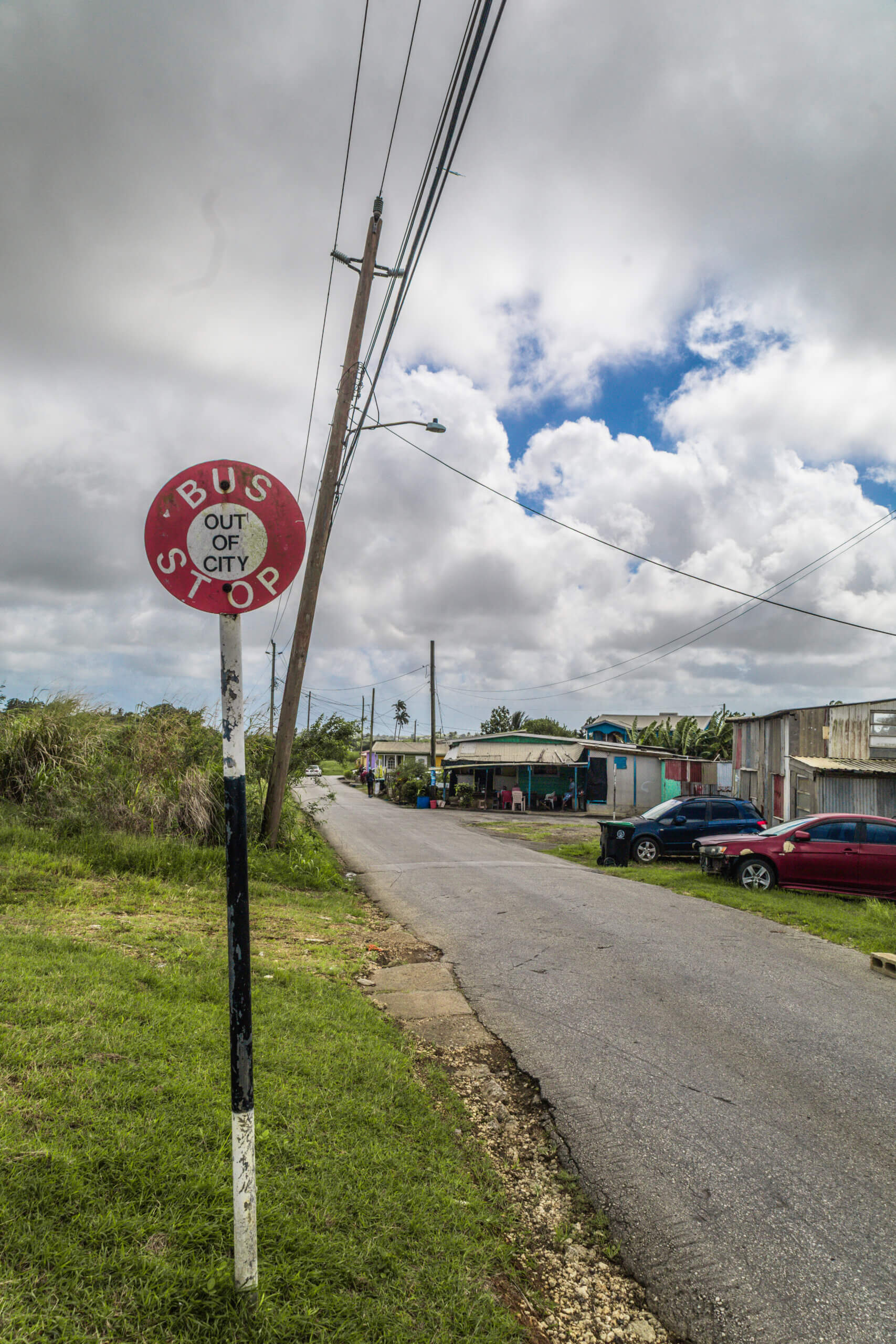
Coming back from Bathsheba, I was waiting with local people again when a woman noticed a ZR van that would leave sooner. It was crowded and Bajan currency only—not like some areas around Bridgetown or Oistins where things feel more tourist-buffered. I climbed in anyway. I was surrounded by Bajans and felt oddly comfortable—like a collectivo in South America or a daladala in Africa: tight space, real life, no performance.
As we got closer to Bridgetown, more people were waiting—hoping to squeeze in. That’s when I noticed the unfairness of it: full buses skipping stops, locals waiting again and again, while I—tourist, outsider—could sometimes slip into a space that wasn’t really meant for me. Maybe that’s why many tourists choose taxis or tours outside the city. It’s faster, yes—but it also keeps you separate from the everyday Barbados I kept finding myself inside.
It wasn’t smooth travel. It was human travel.
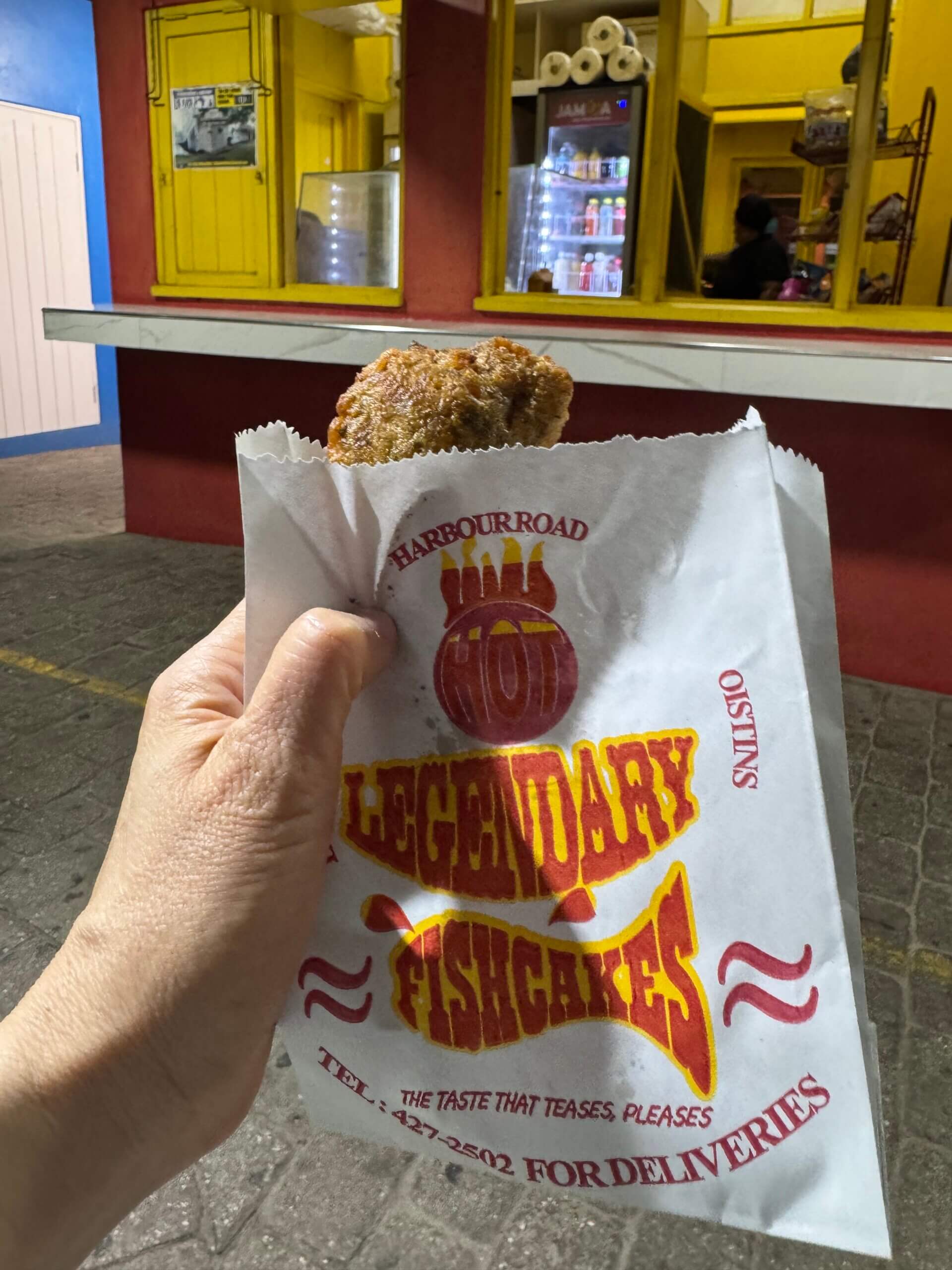
On the way back to the airport—after one disappointing day earlier in the trip—I decided to take the bus instead. I walked about ten minutes to the Oistins terminal and asked a staff member in the office if he could hold my carry-on for a few minutes while I grabbed food at the fish market. He was eating KFC like it was the most normal thing in the world, and he waved me off casually, like, sure.
I’d already double-checked the airport bus stop and timing for the previous three days, but when I came back he told me the bus was running late. While I was standing there trying to stay calm, a local woman who had been listening to our conversation suddenly pointed across the street: “That’s your bus.” It was about to pull out.
I crossed the street with my suitcase—probably more dangerously than I should admit—and made it just in time. From inside the bus, I waved at her like she had saved my whole day. In a way, she did.
After that taxi tour, it felt good to choose something simple and local—and to be reminded, one more time, that most people I met in Barbados were quietly on my side.
Bridgetown After Dark: Where the Tourists Went
After that full day out—Hunte’s Gardens and then Bathsheba—I ended up back in Bridgetown after 5:00 p.m. The light was fading fast, and downtown felt like it had already decided the day was over.
I walked toward Broad Street expecting at least a little energy—shops, something to browse, some sign of “downtown life.” But honestly, I didn’t find anything interesting. It wasn’t bad or scary. It was just quiet and practical. And in a strange way, that was the point: once you step off the tourist path, you start to see where the city belongs to locals.
I looked for a place to eat, but the local Bajan restaurants found in the search were already closed. As a pescatarian who still wanted local food, I compromised and went to a local fast-food spot instead where was so crowded by locals. I ordered a veggie burger. The place was crowded in that busy, everyday way that felt unmistakably local. The bun was oddly dry—like it had been sitting too long—but the coleslaw was better than I expected, almost comforting. Not the meal I imagined when I pictured “Barbados,” but still real.
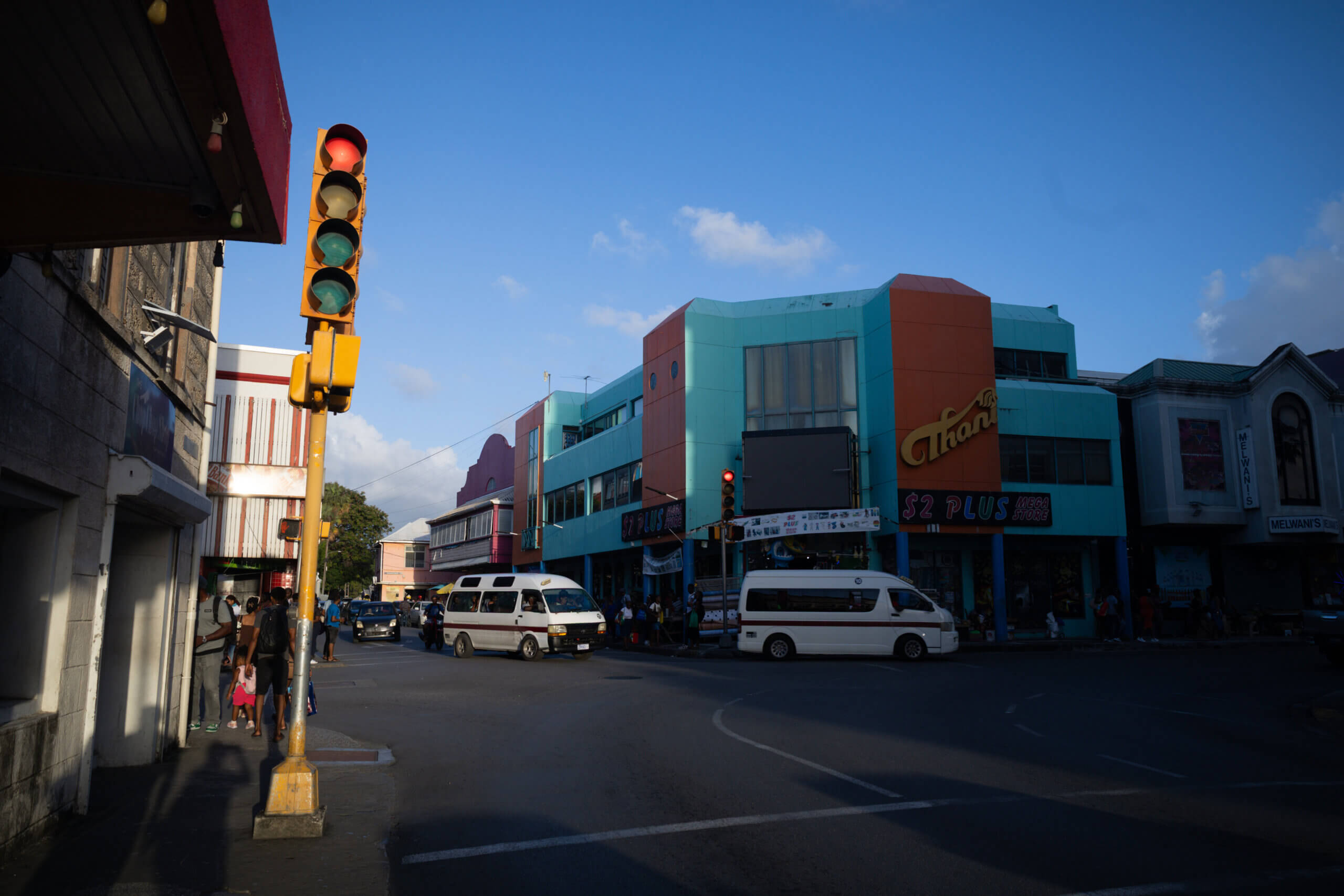
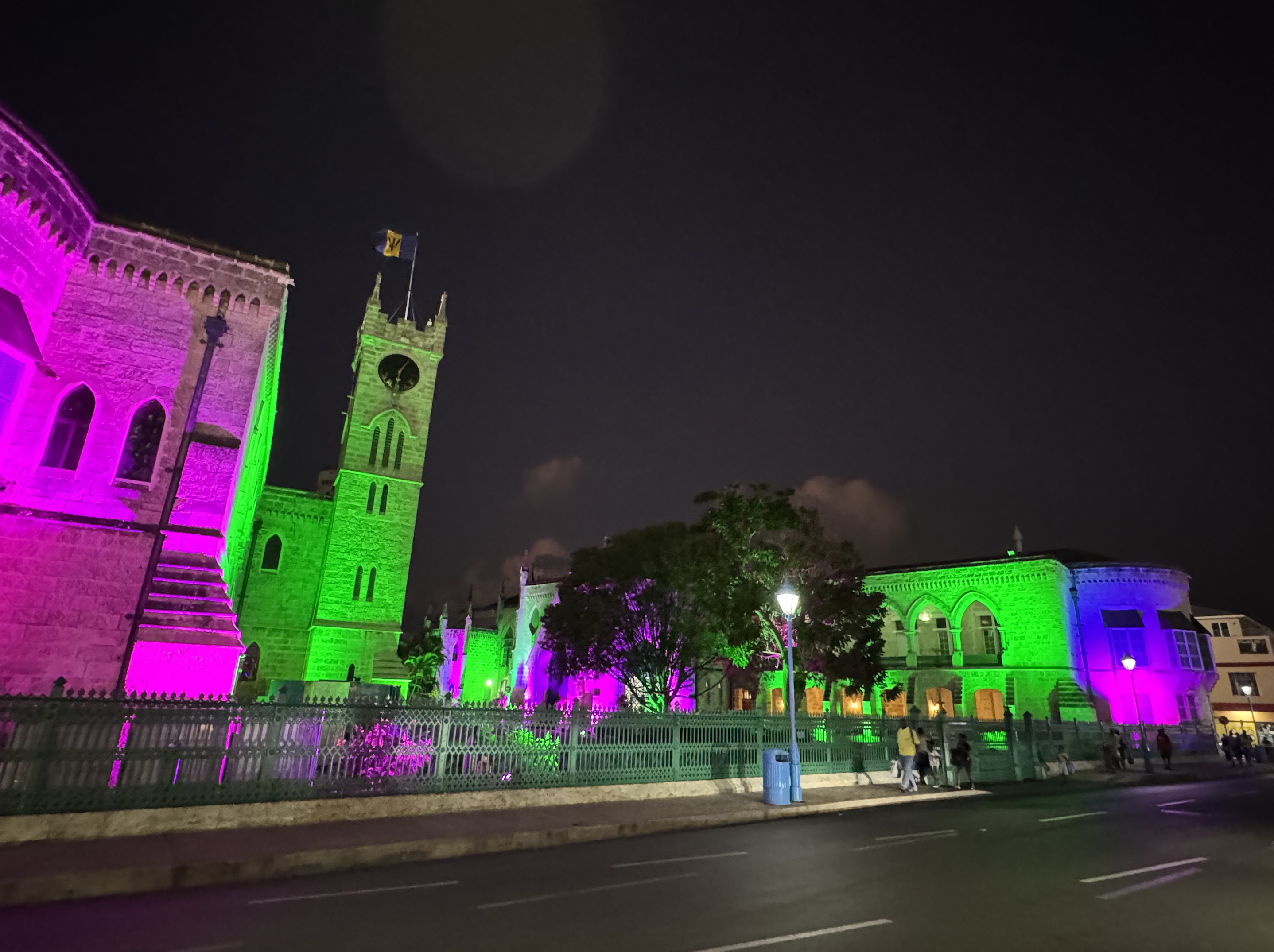
After eating, I ended up in a local supermarket near the bus terminal around dusk—before 6 p.m., when it already felt like night. I looked around and realized I might have been the only tourist in the entire store.
Not in a dramatic way. No one stared. A local woman smiled. Someone chatted with me while I stood too long deciding on a sauce. It didn’t feel unsafe—it felt real.
Outside, though, the tourist version of Barbados had vanished. No clusters of visitors, no one wandering around downtown, no other tourists trying to figure out transport. It made me realize how many visitors must be living inside all-inclusive rhythms—hotel, beach, restaurant—while downtown quietly returns to locals the moment the day softens.
Locals’ Friendliness, Stability, and Why People Go Back
Outside of one bad experience, Barbados felt unusually easy in daily interactions. People talked to me in supermarkets, in lines, at bus stops—sometimes about simple things like sauces, sometimes about politics while we waited. I didn’t feel that familiar travel anxiety I sometimes get elsewhere—the constant sense of being targeted or pressured.
The more time I spent there, the more I felt that the friendliness wasn’t accidental. Barbados is one of the more economically stable places in the Caribbean—classified by the World Bank as a high-income economy, with GDP per capita around $26.5k (2024). That kind of stability can show up in small ways: people seem more settled into their lives, less rushed, less guarded, less transactional.
Even the regional safety numbers reflect a difference. In the World Bank/UNODC homicide-rate series, Barbados is about 7.4 per 100,000 (2023)—lower than the Dominican Republic (~10.9, 2023) and far lower than Jamaica (~49.4, 2023). That doesn’t mean nothing ever happens. It just helped me understand why Barbados felt steadier day-to-day than I expected.
Barbados is also known for a high share of repeat visitors—some sources describe around 40% repeat travelers, and one report suggests return visitation near 50%. During my trip, that reputation made sense. Even with the surprises—missing “iconic” foods, imported fruit, prices that made me blink—Barbados still felt steady. The island didn’t feel like it was constantly trying to extract something from me.
And I felt that steadiness in small scenes. One night in a supermarket line, a man holding a box of American cereal for his son started talking to me. We traded a few jokes about what we were buying, then he said—almost like he needed to hear it out loud—that food in Barbados can be more expensive than in the U.S., but housing is much cheaper, so it balances out. The way he said it felt like he was trying to convince himself as much as he was explaining it to me.
Maybe that’s why people return: Barbados lets you rest without feeling sealed off from real life. If you step outside the resort rhythm, the island is still there—buses, supermarkets, small talk, ordinary evenings. And maybe it’s also the ocean. Not the calm, postcard version—just the real one, always moving, doing what it does whether you’re ready or not.
Most of the time, people were kind in a quiet, unperformed way. Still, one moment didn’t match the rest of the island.
The Taxi Driver: The One Moment That Didn’t Fit
This is the story I wish I didn’t have to include. I hired a taxi driver for an island tour through someone I knew, and because he had good reviews, I let my guard down.
He arrived late to start the tour, and I should have taken that as a sign. I told him my priorities clearly: I wanted to eat flying fish, and I wanted to see St. Nicholas Abbey (and the church). Neither happened.
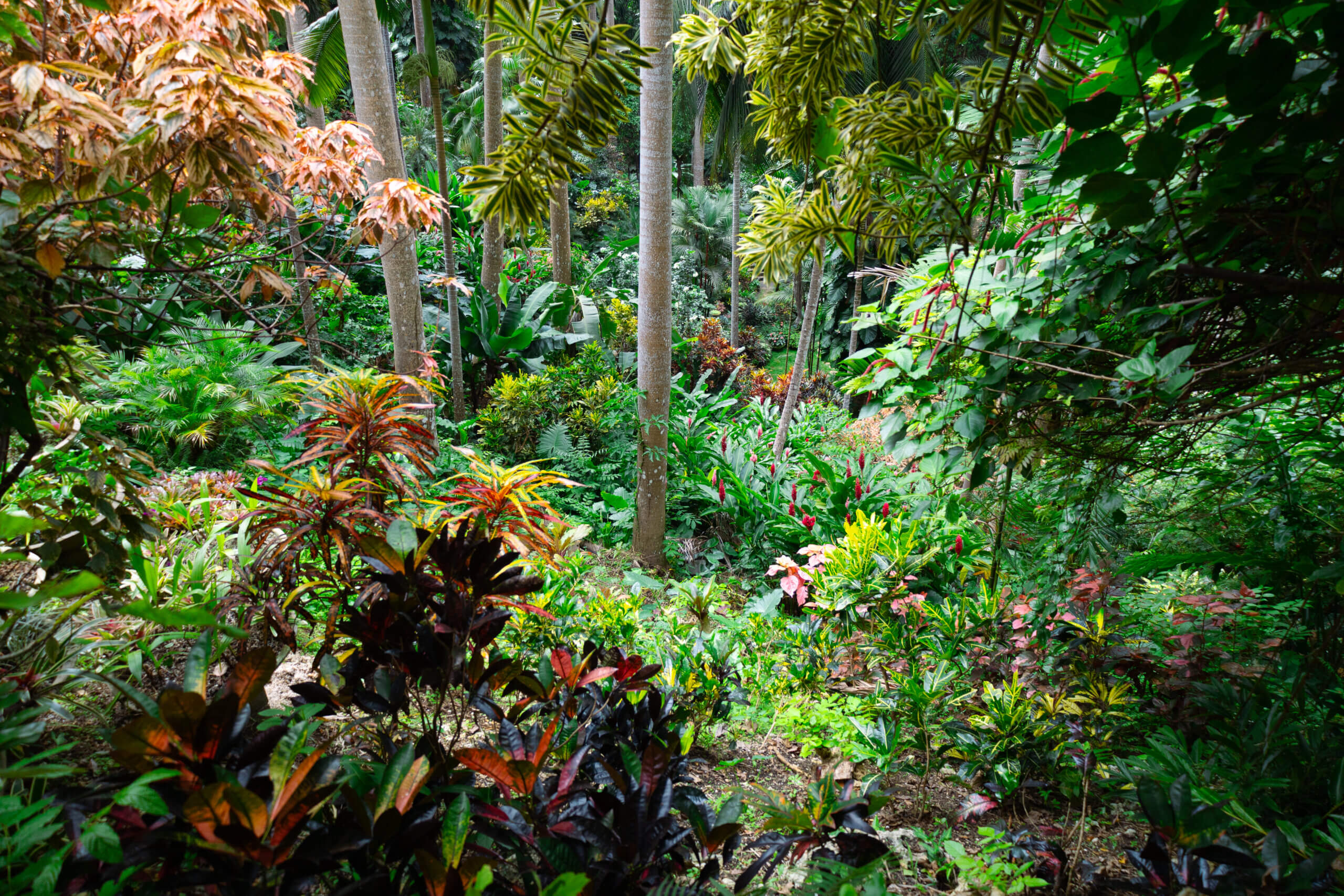
Instead, the day slowly became about him. He ran errands, stopped to see a relative, and at one point picked up a friend who stayed with us until he was dropped off somewhere else. We drove through different parts of the island and past plantations, and I tried to stay open-minded, telling myself maybe I’d simply planned too much. But then he passed the gate of St. Nicholas and said there was no time left—just like that.
He tried to steer me into a touristy restaurant in the mountains—still no flying fish. When I didn’t eat there, his mood shifted. By the end, he cut the tour short, used “traffic” as an excuse to finish early, and then tried to overcharge me anyway. I refused.
Still, because he was connected to someone I knew, I ended up paying more than I wanted—partly to keep peace, partly because I didn’t want it to reflect badly on the person who introduced us.
What stayed with me wasn’t only the money. It was the tone. The dismissal. And finally, him yelling at me: “Don’t complain.”
He was the only person in Barbados who made me feel that kind of greediness and rudeness. And yes, it triggered an uncomfortable thought I didn’t want to carry home with me—whether being Asian and traveling alone made it easier for someone to disrespect me. That might be an assumption, but the disappointment was real.
It bothered me that this happened on my last full day on the island—I flew out the next day—but I tried not to let it become my final feeling about Barbados.
The Flying Fish Mystery
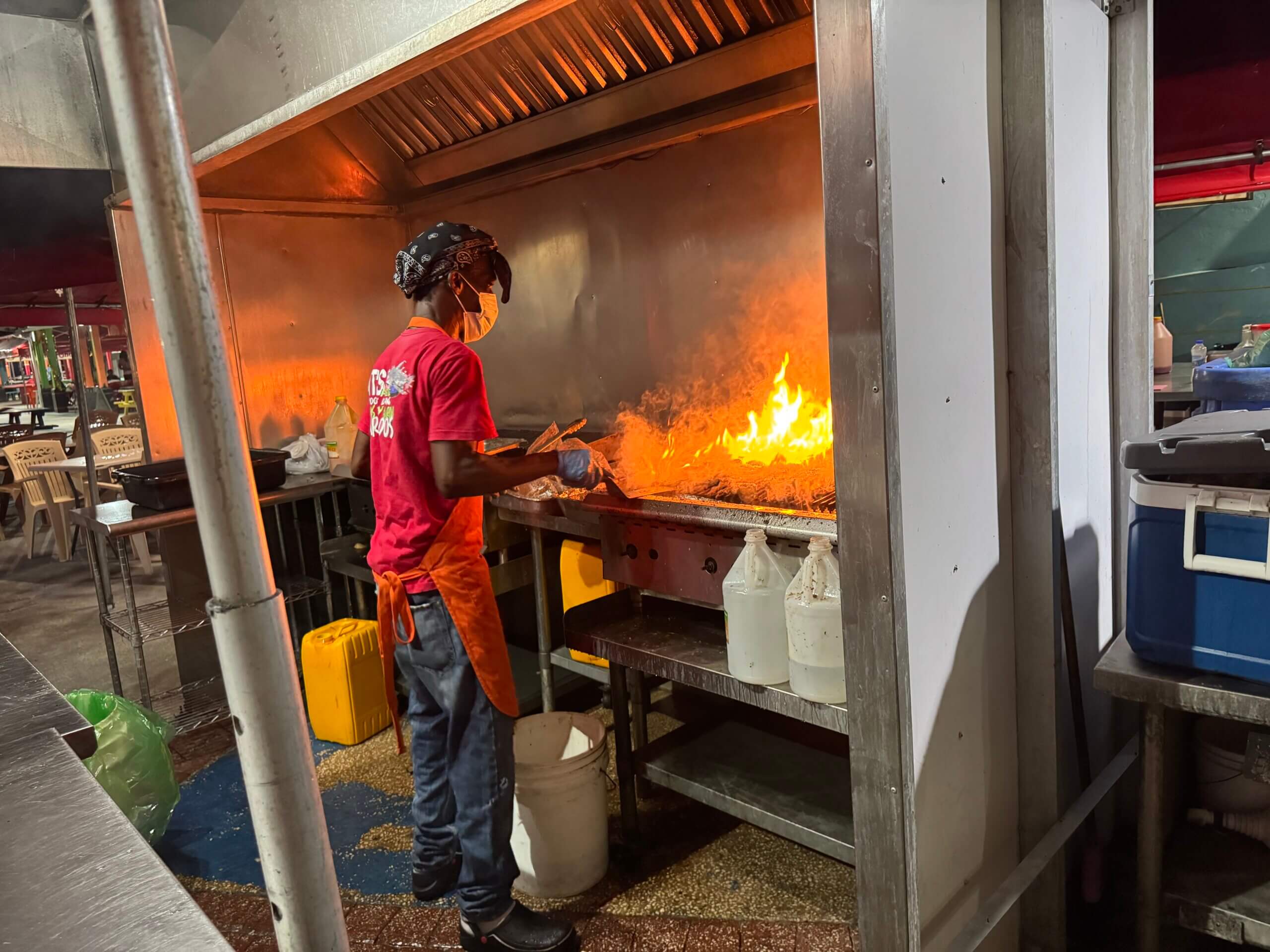
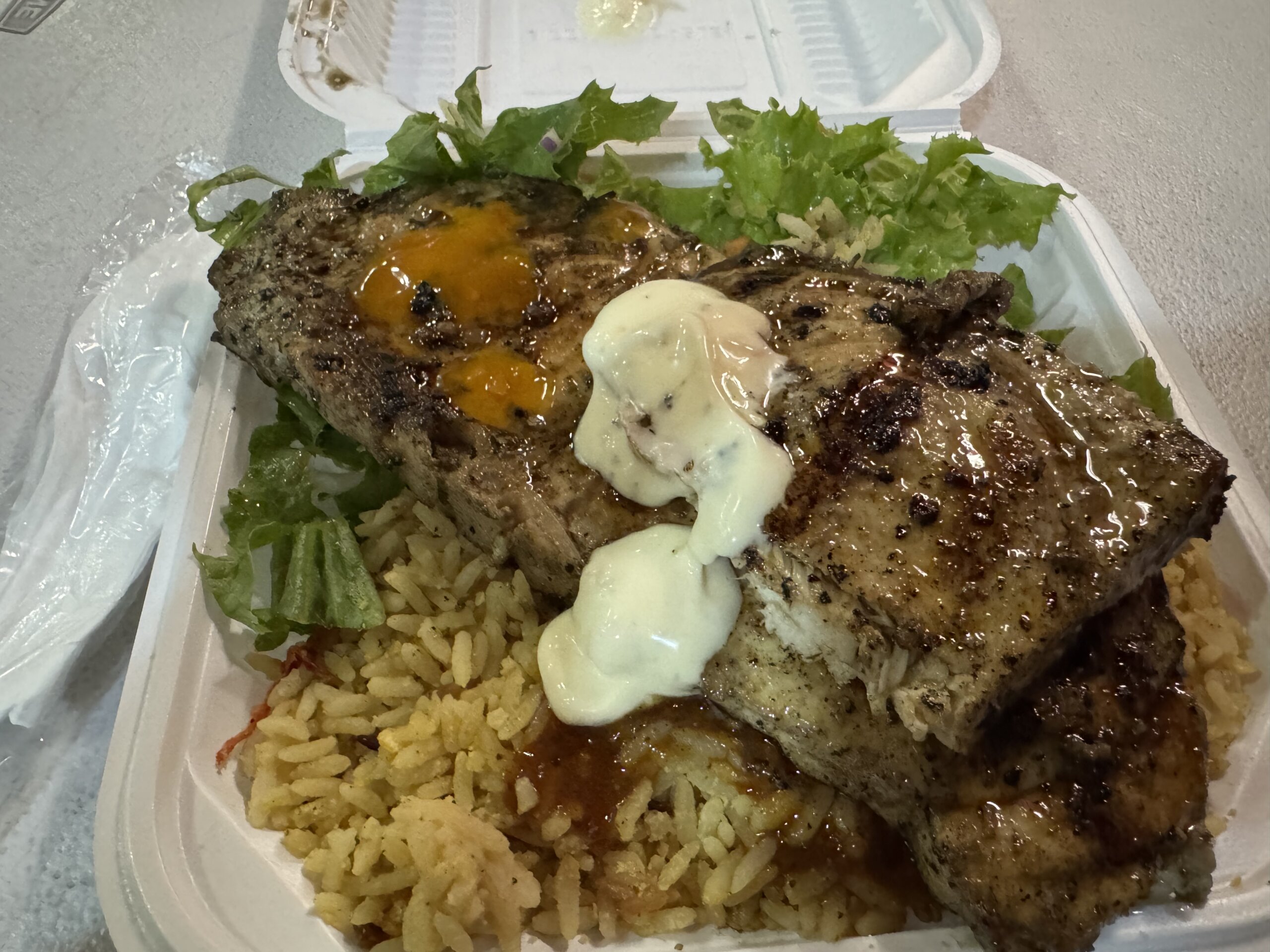
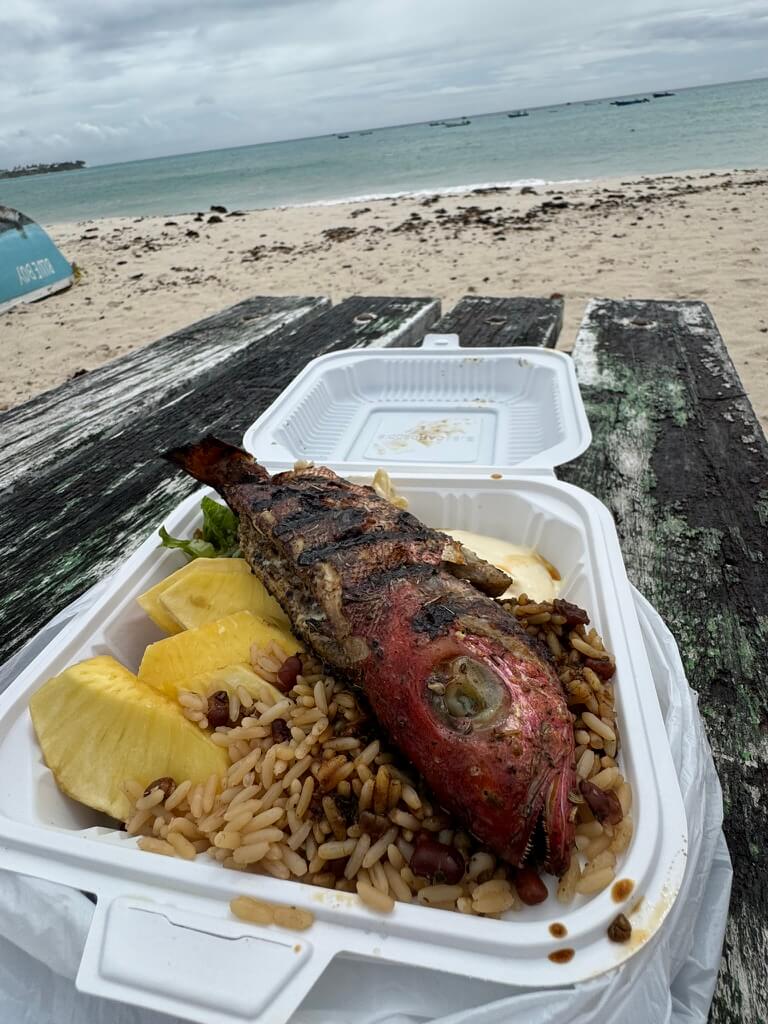
I went looking for flying fish, the signature dish that shows up everywhere in travel guides like a promise. I tried multiple places. No flying fish. Eventually someone told me they’re “around Trinidad,” which felt strange because Barbados is the place everyone associates with them.
The absence became its own story. It made me think of the Galápagos, where I once watched blue-footed boobies catch flying fish mid-air—flying fish as ecosystem, as survival, not as a menu item. In Barbados, I ate something introduced to me as “similar,” and later I realized even that wasn’t quite true.
It left me wondering what was seasonal, what was supply, and what was simply the easiest explanation to give a tourist who really wanted the “iconic” thing.
The Bajan Cherry Mystery (and Other Fruit Ironies)
I arrived with a Caribbean fantasy in my head. I thought it would be a fruit paradise in the obvious way—piles of local abundance everywhere, the kind of color and sweetness that makes you feel close to the earth.
I especially looked for Bajan cherries—acerola—because I loved the canned acerola juice in Japan. Sour, sweet, full of vitamin C, like a bright shock to the body. I asked vendors. I asked supermarkets. No one had it. I couldn’t tell if it was out of season, less common now, or simply not part of daily shopping the way I imagined.
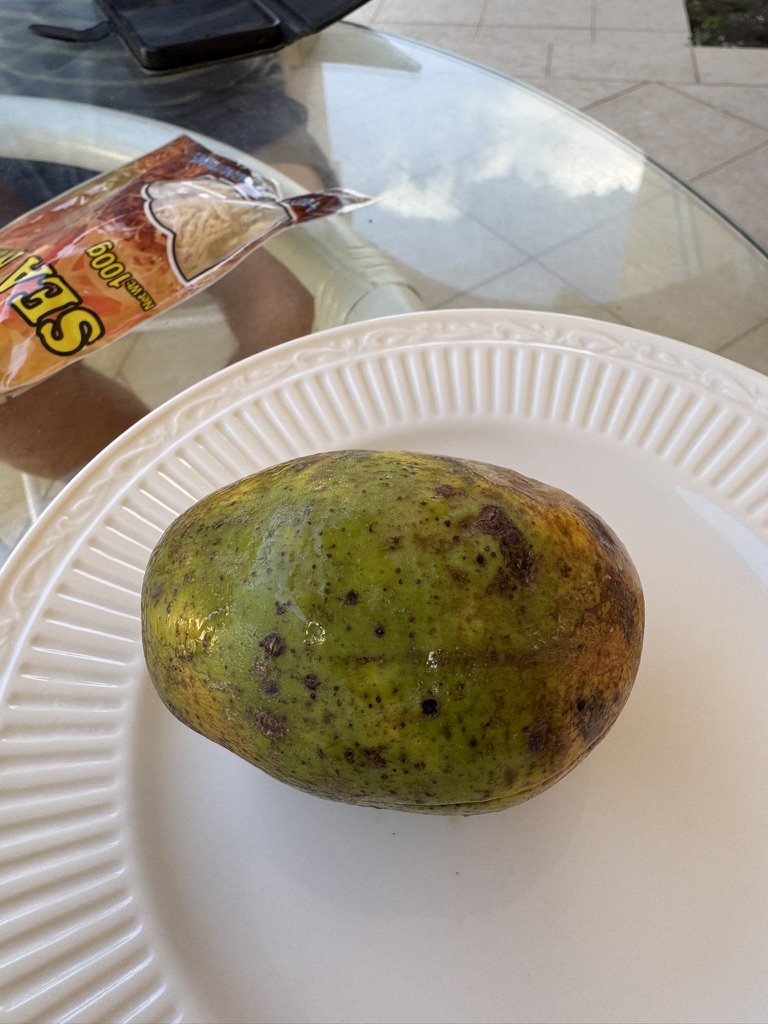
One day I found “golden apple” at a fruit vendor—ironically, still imported—and ate it for the first time with a few British guests at my accommodation. We all did that polite tasting pause and then admitted the same thing: it tasted a little bitter, with a woody texture, and we agreed a normal apple tastes better. It became one of those small travel moments I actually love—new friends sharing fruit and an honest opinion.
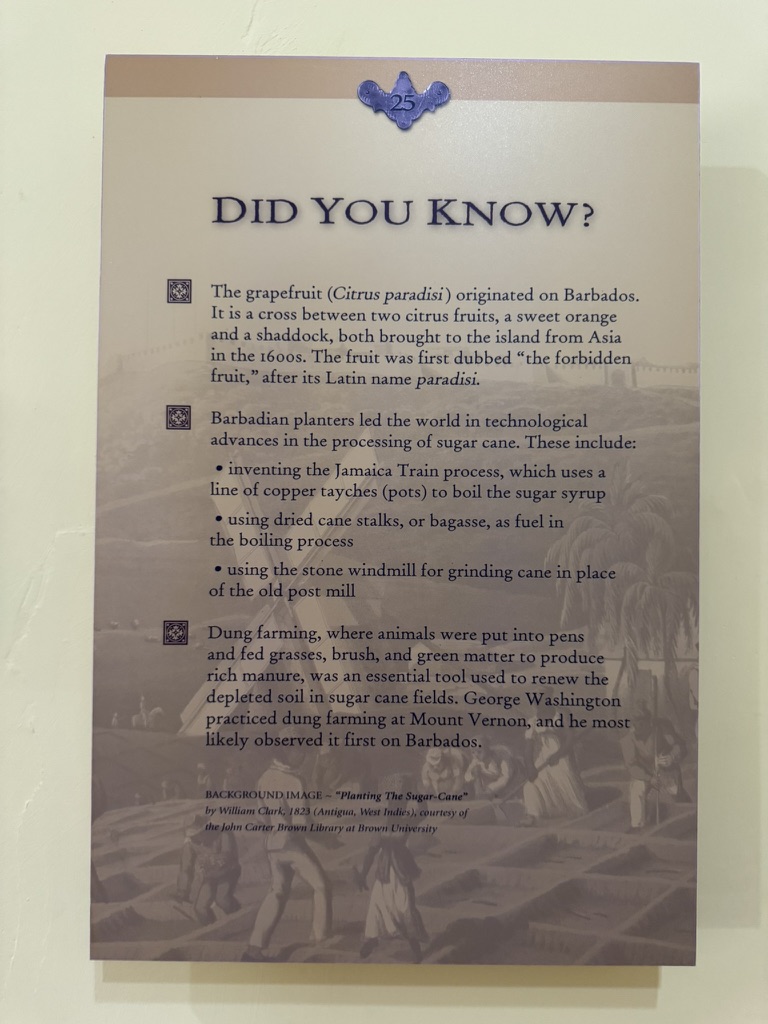
I also expected grapefruit to feel “featured,” since it’s said to have originated in Barbados, but I didn’t see it highlighted anywhere. I saw fruit trees—banana, mango, and others—but they seemed relatively small and mostly for local consumption. Meanwhile, many fruits sold in stores and at vendors were imported. I arrived thinking every Caribbean country is automatically a fruit paradise. Barbados quietly corrected that assumption.
Expensive Barbados: Imported Goods and the “Local” That Felt Hard to Find
Barbados was more expensive than I expected—even in supermarkets where locals shop. The shelves made the island’s import reality obvious: U.S. labels, European brands, products from other islands. I kept looking for “local” choices the way you naturally do on an island—coffee, pantry staples, snacks—but even the coffee shelves were full of Italy and U.S. brands.
It wasn’t that local things didn’t exist. It was more that “local” didn’t always show up in the obvious, souvenir-friendly way. The tropical scenery outside and the imported reality inside the store didn’t always match.
What I Actually Brought Home: A Barbados Souvenir Reality List
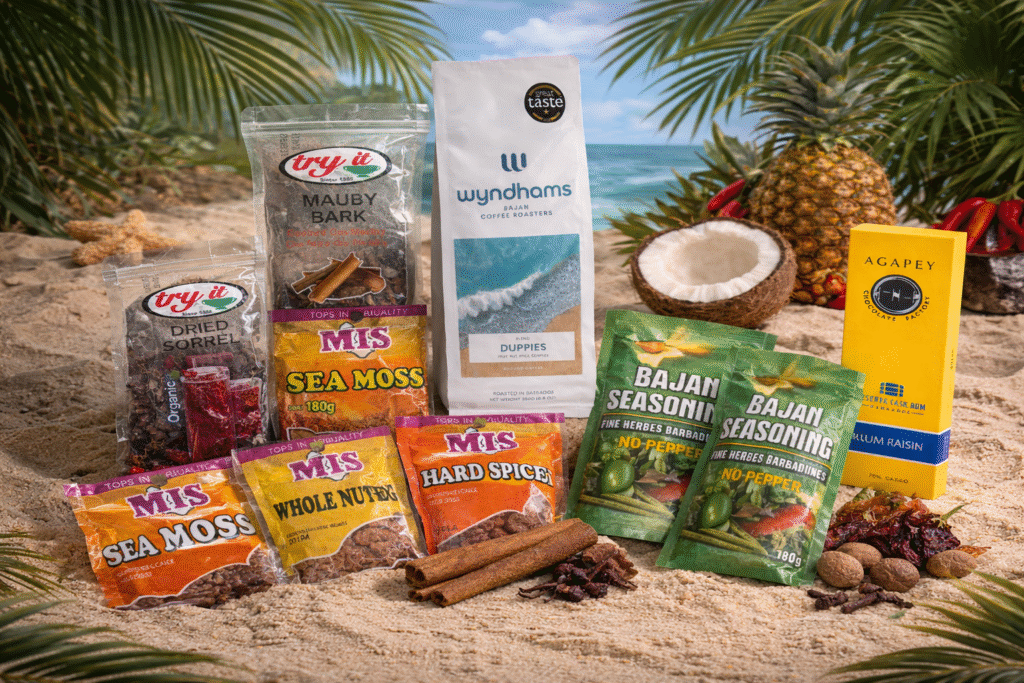
My souvenir list ended up being simple—less about cute finds and more about whatever was actually labeled Barbados.
I brought home Bajan seasoning and a few Barbados-branded treats—rum raisin and ginger rum chocolate, dried sorrel, and sea moss—plus spices like mauby bark and cloves, hoping to experiment with Caribbean cooking once I was back home. I also found one coffee that was “blended in Barbados,” but it was noticeably expensive—another reminder that when imports dominate, even “local” can become a premium category.
Two Months Later: The Ocean Stayed With Me
Now it’s February—two months after that trip—and I’m surprised by how much I miss the ocean. Not the Instagram version. The real one: windy, loud, and honest. I catch myself wanting to go back, as if the sea in Barbados is still holding a part of my nervous system that finally exhaled.
And at the same time, there’s another truth. Two months later, it’s louder: at every beautiful moment, I wished I could have shared it with my father. Even the simplest things—the light on the water, the kindness of strangers, the feeling of finally relaxing—came with that quiet ache of wanting to turn and say, Look.
Related: Recovery Journeys: Utilizing Travel as a Tool for Bereavement Healing
References
- World Bank. “World Bank country classifications by income level for 2024–2025.” (Income group classification; Barbados listed as high-income.)
- World Bank Data. “Barbados | Data” and “GDP per capita (current US$) – Barbados.” (GDP per capita figure for 2024.)
- World Bank – World Development Indicators (UNODC source), Intentional homicides (per 100,000 people).
- Barbados (2023 value shown in WDI DataBank table)
- Dominican Republic (2023 value shown in WDI DataBank table)
- Jamaica (2023 value shown in WDI DataBank table)
- Indicator definition / source note (UNODC via WDI)
- Barbados Tourism Marketing Inc. Barbados Annual Stay-over Report 2015–2016. (Repeat-visitor shares: first-timers vs returning visitors.)











0 Comments